



What's Happening?
Record-breaking heatwaves are leading to a significant shift in office dress codes, with men increasingly opting for shorts and lighter fabrics in professional settings. This trend, initially seen in Tokyo with its 'Cool Biz' campaign, is now spreading
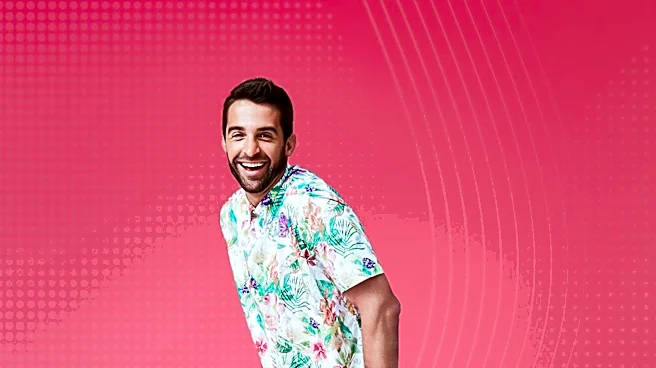
across European business centers like London and Frankfurt. The Japanese capital's initiative, which previously encouraged foregoing ties and jackets, has expanded to advise against long trousers and permit T-shirts and trainers. In Europe, workers are independently adopting lighter clothing, and some managers and local authorities are supporting this move. Retailers like John Lewis, Marks and Spencer, and H&M are reporting increased demand for linen shorts and suits, and are adjusting their inventory to reflect this change, delaying autumn collections in anticipation of prolonged warm weather. This indicates a blurring of the lines between traditional office attire and more casual, holiday-style clothing due to the persistent high temperatures.
Why It's Important?
This shift in office dress codes has broader implications for workplace culture, retail industries, and public policy concerning worker well-being. For businesses, adapting dress codes can improve employee comfort and productivity during extreme heat, potentially reducing heat-related health issues. The retail sector is directly impacted, with increased demand for specific types of clothing influencing inventory management and seasonal product launches. Fashion retailers are recognizing climate change as a long-term factor in consumer behavior, leading to strategic adjustments in their offerings. Furthermore, the debate over appropriate workplace attire highlights evolving societal norms and the need for employers to balance professionalism with practical considerations for employee comfort and health in a changing climate. This could lead to more flexible and inclusive dress code policies across various industries, challenging long-held traditions in professional environments.
What's Next?
The trend of relaxed office dress codes is likely to continue and expand as heatwaves become more frequent and intense due to climate change. Retailers will likely further adapt their product lines to meet the growing demand for lightweight, breathable professional wear, potentially introducing new categories of business-casual attire. Employers may face increasing pressure from employees and unions to formalize more flexible dress code policies, especially in sectors where traditional attire is still strictly enforced. Discussions around occupational health and safety in high temperatures could lead to new guidelines or regulations regarding workplace conditions and appropriate clothing. This could also spark innovation in fabric technology, focusing on materials that offer both comfort and a professional appearance. The ongoing adaptation will likely see a permanent shift in what is considered acceptable professional attire during warmer months.
Beyond the Headlines
Beyond the immediate impact on clothing choices, this trend reflects a deeper societal adaptation to climate change and its effects on daily life. It challenges traditional notions of professionalism and formality, suggesting a cultural shift towards practicality and comfort in the face of environmental realities. The blurring of lines between 'office' and 'holiday' wear could influence broader fashion trends, making casual styles more acceptable in diverse settings. Ethically, it raises questions about employer responsibility for employee well-being during extreme weather events and the balance between corporate image and human comfort. Legally, it could lead to new precedents in labor law regarding dress codes and working conditions in high temperatures. This seemingly minor change in attire is a visible manifestation of how climate change is subtly reshaping cultural norms and expectations in the workplace and beyond.