







What's Happening?
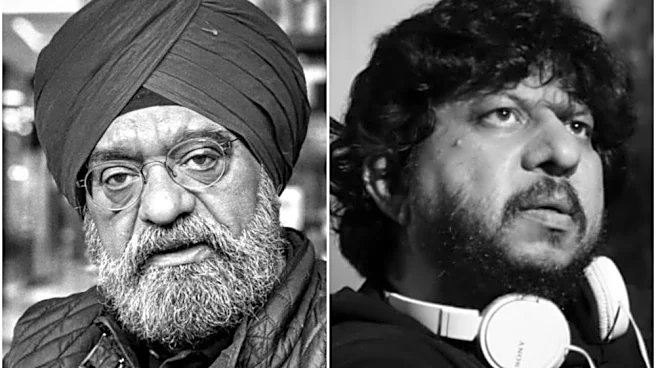
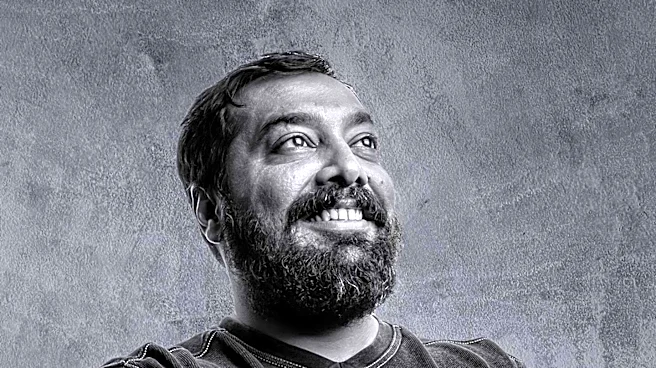
Indian filmmaker Anurag Kashyap and producer Ranjan Singh have joined 'The Melody of Destiny,' a short film from Haryana, India, as presenters and executive producers. Their involvement aims to support the film's journey on the festival circuit. This
marks the debut film for 24-year-old self-taught director Chaitanya Chugh, who produced it alongside Diya Panjwani and Aabhar S Dev. The film centers on Rajesh, played by Saurabh Bansal, a man living in Delhi who secretly sings on the streets to save money for his daughter Priya's marriage. Priya, portrayed by Miraya Sehgal, lives in Haryana with her mother, Savitri (Nagmeet Arora). The narrative explores the strained family relationships, particularly after a dinner conversation escalates into a fight, revealing underlying issues of class and patriarchy. Chugh shot the film in a guerrilla style on the streets of Delhi, drawing inspiration from personal experiences after the COVID-19 lockdown, including his mother's act of charity and a roadside banner advertising wedding items.
Why It's Important?
The backing of established figures like Anurag Kashyap and Ranjan Singh provides significant visibility and credibility to 'The Melody of Destiny,' a film by a young, emerging director. This support is crucial for independent films, especially those from regions like Haryana, to gain international recognition on the festival circuit. The film's thematic focus on dowry, gender roles, power dynamics, and class struggles within traditional Indian family setups offers a critical lens into societal issues. By presenting these 'gruesome truths,' as described by Chugh, the film contributes to a broader dialogue about social justice and human rights. The use of Haryanvi folklore and a predominantly female crew also highlights cultural preservation and gender representation in filmmaking, potentially inspiring other regional filmmakers and promoting diverse storytelling.
What's Next?
With Anurag Kashyap and Ranjan Singh as executive producers, 'The Melody of Destiny' is poised for a significant run on the international film festival circuit. This exposure could lead to distribution deals, further funding for Chugh's future projects, and increased awareness of the social issues depicted in the film. The film's success on the festival circuit could also encourage more established filmmakers to support independent and regional cinema, fostering a more diverse and inclusive film industry. Additionally, the film's exploration of dowry and patriarchal structures may spark further discussions and advocacy efforts regarding these issues in India and globally.
Beyond the Headlines
The film's guerrilla-style production on Delhi's streets underscores the resourcefulness and dedication often required in independent filmmaking, particularly for debut directors. The personal inspirations behind the story—Chugh's mother's act of kindness and a striking roadside advertisement—illustrate how everyday observations can be transformed into powerful cinematic narratives. The film's engagement with Haryanvi folklore suggests a deeper cultural resonance, using traditional storytelling methods to address contemporary social problems. This approach not only entertains but also educates, offering audiences a nuanced understanding of the complexities of Indian society. The emphasis on a predominantly female crew also subtly challenges traditional gender imbalances within the film industry, promoting a more equitable and representative creative environment.