




What's Happening?
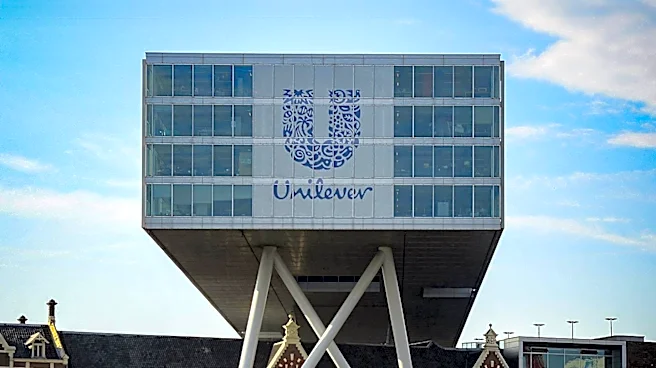
McCormick & Company, Inc. has proposed selling its Colman's brand to resolve competition concerns raised by the UK Competition and Markets Authority (CMA) regarding its acquisition of Unilever PLC’s global food business. The CMA's phase 1 investigation
found that the proposed deal would combine the two largest branded suppliers of dry ingredient mixes and dry sauces to UK retailers, a market valued at approximately £140 million annually. McCormick's UK consumer business includes brands like Schwartz and French's, while Unilever Foods sells products under Knorr, Maille, and Colman's. The CMA concluded that the merger could substantially lessen competition in these markets, as McCormick and Unilever Foods are close competitors, and other brands or own-label products offer only limited competitive constraint. The CMA also noted difficulties for new or existing suppliers to enter or expand due to limited supermarket shelf space and established positions of current suppliers.
Why It's Important?
This development is significant for the U.S. food industry as it highlights the increasing scrutiny of international mergers by regulatory bodies like the CMA, even when the acquiring company is U.S.-based. For McCormick, a major U.S. spice and flavorings company, the need to divest a brand like Colman's to secure regulatory approval in a key market like the UK demonstrates the complexities and potential costs associated with global expansion through acquisition. The CMA's focus on market concentration in dry ingredient mixes and sauces underscores the importance of maintaining competitive diversity in consumer goods, which can impact pricing and product availability for consumers. The outcome of this regulatory review could set a precedent for how similar acquisitions by U.S. companies are evaluated in international markets, potentially influencing future merger and acquisition strategies.
What's Next?
The CMA will now consult on McCormick's proposed remedy, which involves selling the Colman's brand, including its dry sauces and dry cooking ingredient mixes, to a purchaser approved by the CMA. This consultation will include seeking feedback from third parties. If the CMA is satisfied that the divestiture effectively addresses its competition concerns, it will conditionally clear the deal. However, if the CMA determines that the undertakings are insufficient, it retains the option to refer the transaction for a more in-depth phase 2 investigation. The decision will determine the future structure of the dry ingredient and sauce market in the UK and the final scope of McCormick's acquisition of Unilever Foods.
Beyond the Headlines
The CMA's intervention in this acquisition reflects a broader global trend of increased regulatory oversight on mergers and acquisitions, particularly in sectors that directly impact consumer choice and pricing. For U.S. companies operating internationally, this emphasizes the necessity of thorough pre-merger analysis of potential competition issues in each relevant jurisdiction. The divestiture of a well-known brand like Colman's, which has a significant heritage in the UK, also touches upon cultural and brand identity aspects, as its ownership shifts. This case highlights the delicate balance between facilitating corporate growth through mergers and protecting consumer interests by ensuring robust market competition, a challenge faced by regulatory bodies worldwide.