









What's Happening?
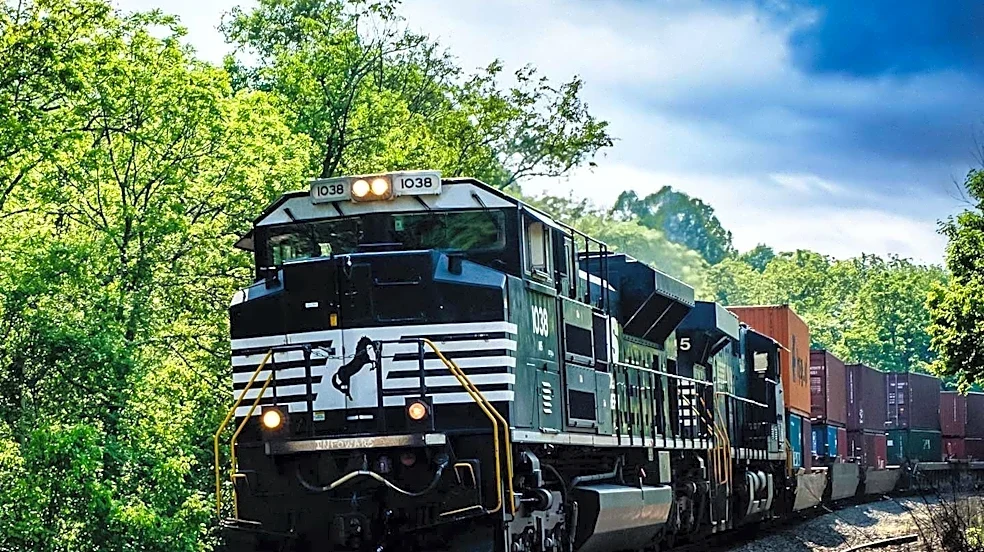
Norfolk Southern Corporation is actively seeking a Lead Data Scientist specializing in Machine Learning. This role is central to the company's strategy to enhance operational efficiency, safety, reliability, and overall business value across its enterprise.
The Lead Data Scientist will be responsible for the entire lifecycle of machine learning solutions, from design and development to validation, deployment, and ongoing monitoring. This includes architecting end-to-end ML workflows, establishing best practices for model development and governance, and driving the adoption of modern ML methodologies and tools. The position requires deep technical expertise in machine learning, focusing on models such as regression, classification, and clustering, and will not involve computer vision. The individual will collaborate closely with Data Engineering, Business Intelligence, Software Engineering, and various business stakeholders to identify opportunities, develop scalable solutions, and mentor junior team members. The AI and Data Science team at Norfolk Southern is centralized and works with various product teams across business units to solve high-impact business problems using novel techniques, with most models making it to production rather than remaining in research labs.
Why It's Important?
This initiative by Norfolk Southern highlights a significant trend in the U.S. transportation and logistics sector: the increasing reliance on advanced machine learning to optimize complex operations. By investing in a Lead Data Scientist for Machine Learning, Norfolk Southern aims to leverage data-driven insights to predict component failures in locomotives, optimize network operations, and enhance overall safety. This move is crucial for an industry that faces constant pressure to improve efficiency, reduce costs, and ensure the safe movement of goods. The application of ML in areas like predictive maintenance (using 350+ sensor information from locomotives) can prevent costly breakdowns and service disruptions, directly impacting the reliability of the supply chain. Furthermore, optimizing network operations through data modeling can lead to more efficient scheduling and routing, benefiting both the company's bottom line and its customers. The focus on safety, a paramount concern in rail transport, underscores the potential of ML to identify and mitigate risks proactively, contributing to a safer working environment and public safety.
What's Next?
The successful candidate for the Lead Data Scientist position will be instrumental in shaping Norfolk Southern's future technological landscape. Their immediate tasks will involve leading the design and deployment of machine learning solutions, establishing robust ML workflows, and setting standards for model development. This will likely lead to the integration of more sophisticated predictive analytics into the company's daily operations, potentially transforming how maintenance, logistics, and safety protocols are managed. The role also involves mentoring junior team members, suggesting a long-term commitment to building internal ML capabilities. As these solutions are implemented, stakeholders such as operational managers, engineering teams, and even customers could see tangible benefits through improved service reliability and efficiency. The company's emphasis on deploying models into production indicates a rapid transition from research to practical application, suggesting that new ML-driven features and optimizations could be rolled out in the near future.
Beyond the Headlines
Norfolk Southern's strategic investment in machine learning extends beyond immediate operational gains, signaling a broader shift towards an AI-driven future for critical U.S. infrastructure. The company's use of high-frame cameras to detect objects and defects on trains and tracks, combined with real-time scoring and notification, exemplifies how AI can augment human oversight in high-stakes environments. This integration of AI into physical infrastructure raises important questions about the evolving role of human workers, the ethical implications of autonomous decision-making in safety-critical systems, and the cybersecurity challenges associated with extensive data collection and AI model deployment. The development of predictive models for component failures also highlights a proactive approach to maintenance that could set new industry standards, potentially influencing regulatory frameworks and insurance practices across the transportation sector. This move positions Norfolk Southern not just as a freight transporter, but as a technology innovator in the industrial AI space, with potential ripple effects on how other heavy industries approach digital transformation.