





What's Happening?
Uncrustables, the crustless, pre-packaged peanut butter and jelly sandwich, has achieved $1 billion in annual sales for its parent company, J.M. Smucker. Introduced in 2000, the product has seen consistent growth, adding over 3 million households in the past
year and expanding its distribution to new channels like convenience stores. The brand is also diversifying its offerings with new flavors, a refrigerated version, and higher-protein options aimed at the breakfast market. This success has attracted new competitors, including Trader Joe’s, jelly maker Welch’s, and Jams, a brand backed by former pro-athlete Pat McAfee. These new entrants are looking to capture a share of the growing market for convenient, nostalgic food items. According to Nate Rosen, a consumer package goods analyst, the appeal of Uncrustables stems from a craving for nostalgic flavors and easy, affordable food, particularly among consumers who grew up with these tastes in the late 90s and early 2000s.
Why It's Important?
The rise of Uncrustables to a billion-dollar brand highlights a significant trend in the U.S. food industry: the powerful influence of nostalgia and convenience on consumer purchasing habits. This success demonstrates that products evoking childhood memories, especially those that are easy to prepare and affordable, can achieve substantial market penetration and financial success. The entry of major players like Trader Joe's and Welch's, alongside innovative startups like Jams, signifies a burgeoning competitive landscape within the frozen and convenience food sectors. This competition could lead to increased innovation in product development, potentially offering consumers a wider variety of nostalgic and easy-to-eat options. For J.M. Smucker, Uncrustables' performance is crucial, especially as other recent acquisitions, such as Hostess, have not yielded similar returns. The brand's continued growth and expansion into new categories and distribution points underscore its importance to Smucker's overall business strategy and market position.
What's Next?
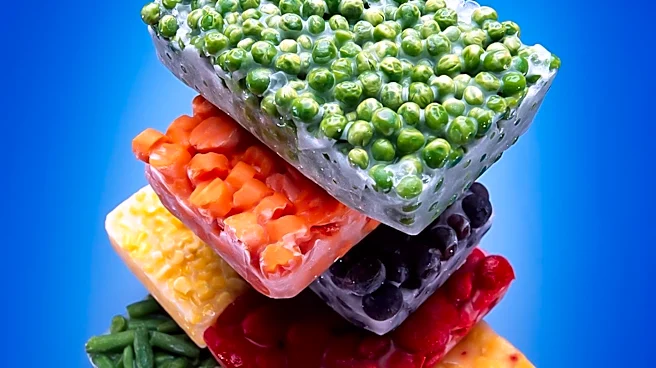
The frozen sandwich market is poised for increased competition as new brands aim to replicate Uncrustables' success. Jams, for instance, is targeting Uncrustables' perceived weakness in digital marketing and influencer partnerships, having already partnered with the NFL. Welch’s is introducing a larger, higher-protein 'Real PB&J' sandwich to cater to consumers seeking more substantial options. In response, J.M. Smucker plans to increase its promotional spending for Uncrustables and has already taken legal action against competitors for intellectual property infringement, such as a lawsuit against Trader Joe’s regarding similar packaging. This legal and marketing battle suggests a dynamic period of innovation and strategic maneuvering within the industry. The continued expansion of Uncrustables into new flavors and formats, including refrigerated and high-protein versions, indicates a proactive approach by Smucker to maintain its market leadership and adapt to evolving consumer preferences. The overall trend suggests that consumers can expect more diverse and accessible options in the nostalgic and convenient food segment.
Beyond the Headlines
The success of Uncrustables and the subsequent influx of competitors reveal deeper societal and cultural shifts. The strong demand for nostalgic flavors, particularly from the late 90s and early 2000s, suggests a collective yearning for simpler times and comfort food, possibly amplified by contemporary stressors. This trend extends beyond just food, influencing various consumer goods and entertainment. The emphasis on convenience also reflects the increasingly busy lifestyles of American consumers, where quick and easy meal solutions are highly valued. The product's appeal to diverse demographics, from children to professional athletes, highlights its universal draw as a practical and enjoyable snack. Furthermore, the legal battles over product design and packaging underscore the intense competition and the value placed on brand recognition and intellectual property in the food industry. This phenomenon could lead to a broader re-evaluation by food manufacturers of their product portfolios, potentially encouraging the revival of other beloved, discontinued items to tap into this powerful nostalgic market segment.