





What's Happening?
The Innovation Design Consortium (IDC), a group comprising 46 leading U.S. architecture and engineering firms, has named Acelab as its co-development partner to create the first-ever open material data standard. While design authoring, project management,
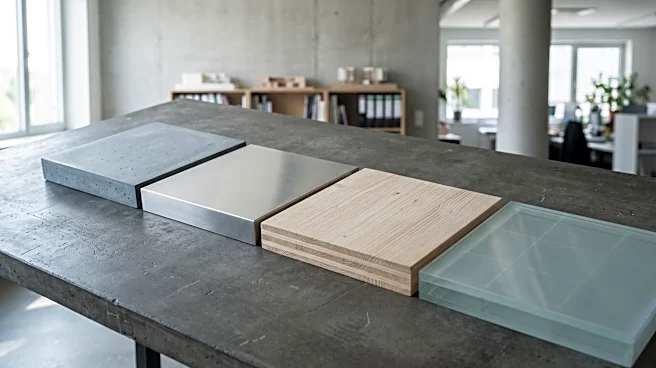
and procurement have largely been standardized by major software platforms, material data and compliance have not. Materials constitute approximately 40% to 50% of the construction cost for every building, yet there has been no common definition for what a material is, how it is described, or how its attributes relate. This lack of standardization has significant financial implications, with bad data contributing to an estimated $1.85 trillion in costs across the industry in 2020 and driving 14% of all rework, according to research from Autodesk and FMI.
Why It's Important?
This initiative is critically important for the U.S. construction and design industries. The absence of a standardized material data system leads to inefficiencies, increased costs, and potential errors in construction projects. By establishing a common open standard, the IDC aims to streamline data sharing, improve performance and sustainability metrics, enhance operational efficiency, and optimize project delivery. This standardization will allow for more accurate material selection, better cost estimation, and reduced rework, ultimately benefiting developers, contractors, and property owners. It also has the potential to accelerate the adoption of sustainable building practices by making it easier to track and compare environmental attributes of materials, fostering a more transparent and accountable construction ecosystem.
What's Next?
The IDC, with Acelab as its partner, will focus on developing the framework and attributes for this open material data standard. The immediate next steps involve defining the common language and structure for material information, which will then be integrated into software platforms used across the industry. The goal is to create a system that allows for seamless data exchange and comparison, from initial design to procurement and construction. The success of this initiative will depend on widespread adoption by firms, manufacturers, and software providers. Over time, this standard could become a foundational element for digital twins in construction, enabling more sophisticated analysis and management of building assets throughout their lifecycle.
Beyond the Headlines
The push for material data standardization reflects a broader trend towards digitalization and data-driven decision-making in traditionally analog industries. Beyond the immediate cost and efficiency benefits, this initiative has deeper implications for innovation and sustainability. By creating a transparent and accessible database of material properties, it could spur the development of new, more sustainable materials and construction techniques. It also raises questions about data ownership, intellectual property, and the governance of shared industry standards. The long-term impact could be a more resilient, environmentally conscious, and technologically advanced built environment, fundamentally changing how buildings are designed, constructed, and maintained in the U.S. and potentially globally.