




What's Happening?
The rise of GLP-1 weight-loss medications is significantly impacting the snack food industry, prompting manufacturers to adapt their product and commercial strategies. A Gallup poll indicates that 11% of the U.S. population is currently using GLP-1s for
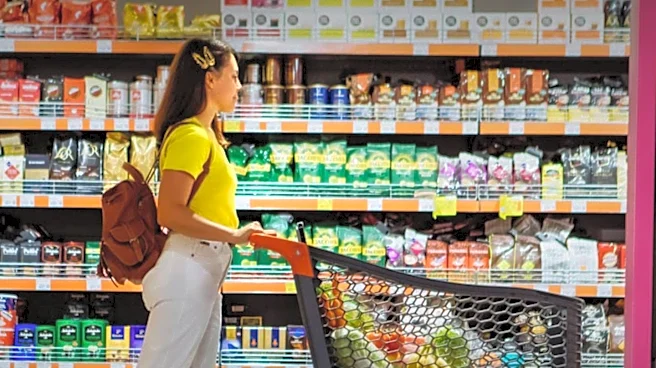
weight loss, up from 3% two years ago, with 15% having tried them at some point. Early data from Cornell University and Numerator shows that U.S. households with at least one GLP-1 user cut their grocery spending by approximately 6% within six months, with higher-income households reducing expenditure by nearly 9%. Spending on categories like chips, baked goods, and cookies fell between 6.7% and 11.1%. Conversely, categories such as yogurt, fresh fruit, nutrition bars, and meat snacks saw increases. Snack makers are observing that GLP-1 users are becoming more selective, opting for smaller, more premium options, or products with healthier attributes like increased protein or less sugar. Companies like Cerealto are reformulating products and developing more single-serve and on-the-go formats to meet these evolving consumer demands.
Why It's Important?
This shift in consumer behavior due to GLP-1 medications represents a significant challenge and opportunity for the U.S. food industry, particularly in the snacking sector. The substantial reduction in grocery spending and altered purchasing patterns among GLP-1 users could lead to a re-evaluation of product portfolios and marketing strategies for many companies. Manufacturers of indulgent snacks, such as confectionery and ice cream, are particularly affected, as GLP-1 users report reduced cravings and a more intentional approach to treats. This necessitates innovation in product development, focusing on premiumization, portion control, and enhanced nutritional profiles (e.g., higher protein, lower sugar). The trend also highlights the growing influence of health and wellness on consumer choices, pushing the industry towards healthier options and smaller formats. Companies that fail to adapt risk losing market share, while those that innovate effectively could gain a competitive advantage in this evolving landscape.
What's Next?
Snack manufacturers are expected to continue reformulating existing products and developing new ones that align with the changing preferences of GLP-1 users. This will likely involve an increased focus on protein-rich, fiber-rich, and lower-sugar options, as well as smaller, more premium, and single-serve formats. Companies will also need to refine their marketing messages to appeal to consumers who are more deliberate in their indulgence. Further research into the long-term effects of GLP-1 usage on consumer habits and the broader food market will be crucial for strategic planning. The emergence of pill formats for GLP-1s is anticipated to make these medications more accessible and affordable, potentially accelerating these market shifts. This will require continuous monitoring of sales data and consumer insights to identify emerging trends and adapt quickly. The industry may also see increased mergers and acquisitions as companies seek to acquire brands or technologies that cater to these new demands.
Beyond the Headlines
The impact of GLP-1 medications extends beyond mere sales figures, signaling a potential paradigm shift in societal eating habits and the food environment. The reduction in 'food noise' reported by users could lead to a more mindful approach to eating, challenging the pervasive culture of impulse snacking and overconsumption. This could have long-term public health benefits, potentially contributing to a decrease in obesity and related health issues. However, it also raises questions about the psychological and social aspects of food, as the emotional and habitual components of eating are altered. The industry's response to this trend could shape the future of food production and consumption, emphasizing quality over quantity and nutritional value over sheer indulgence. This development also highlights the increasing intersection of pharmaceuticals, consumer behavior, and the food supply chain, creating complex challenges and opportunities for innovation and adaptation across multiple sectors.