


What's Happening?
The Wizard of Oz Museum is focusing on its historical foundation, particularly the original books by L. Frank Baum and their illustrations, as it plans for future growth. The museum's founder believes that understanding and preserving the history of Oz is crucial
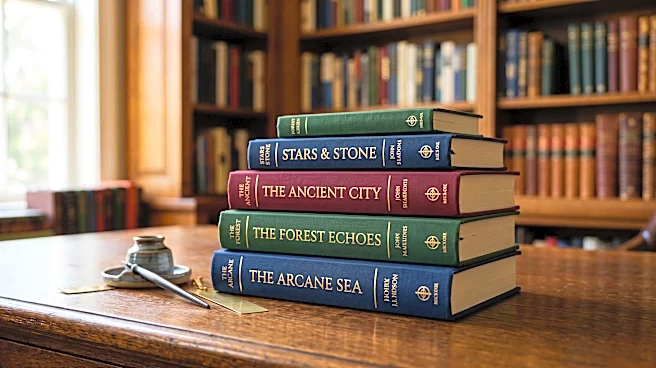
for its meaningful development, rather than solely adding new experiences or technologies. The museum aims to keep its historical foundation visible, relevant, and accessible amidst changing visitor interests and presentation technologies. The collection includes rare editions of Baum's books, which are viewed not just as stories but as historical objects documenting the evolution of Oz before modern adaptations. The museum, which relocated to Cocoa Beach in 2026, integrates immersive digital experiences alongside historical memorabilia, but emphasizes distinguishing modern presentations from original historical artifacts. The founder stresses the importance of accurate historical claims supported by evidence and a commitment to careful research and preservation.
Why It's Important?
This strategic direction for the Wizard of Oz Museum highlights a critical challenge for cultural institutions: balancing historical preservation with contemporary engagement. By prioritizing its historical roots, the museum aims to offer an authentic educational experience that connects visitors to the origins of a beloved American literary work. This approach can deepen public understanding of literary history, the evolution of storytelling, and the impact of children's literature. For the museum, it ensures long-term credibility and a distinct identity in a competitive entertainment landscape. It also underscores the value of physical artifacts in an increasingly digital world, reminding audiences of the tangible history behind cultural phenomena. This focus can attract researchers, collectors, and those seeking a deeper appreciation of the Oz universe beyond its popular film adaptations.
What's Next?
The Wizard of Oz Museum will likely continue to develop exhibits and educational programs that integrate its historical collection with modern presentation methods, ensuring that technology serves to enhance understanding of the past rather than overshadow it. Future initiatives may include more detailed research into its rare book collection, improved documentation, and clearer explanations of historical material for diverse audiences. The museum will also need to continuously evaluate how to make its historical content accessible and engaging for new generations who may be more familiar with digital media. This ongoing process will involve careful curation to maintain accuracy and distinguish between historical facts and interpretations, reinforcing the museum's educational mission.
Beyond the Headlines
The museum's philosophy reflects a broader discussion within the museum community about authenticity, interpretation, and the role of technology. By emphasizing the original literary works, the Wizard of Oz Museum contributes to the appreciation of children's literature as a significant cultural and historical artifact. It also implicitly addresses the challenge of cultural memory in an era dominated by adaptations and reinterpretations, encouraging a return to source material. This approach can foster critical thinking about how stories evolve and are consumed across different media. Ethically, the commitment to accuracy and distinguishing original artifacts from modern interpretations sets a standard for responsible cultural stewardship, ensuring that historical narratives are presented with integrity and respect for their origins.