
What's Happening?
Scott, an interior architect and contractor, has transformed a 650-square-foot studio apartment in Cincinnati into a more functional living space by incorporating a Japanese-inspired sleeping pod. The
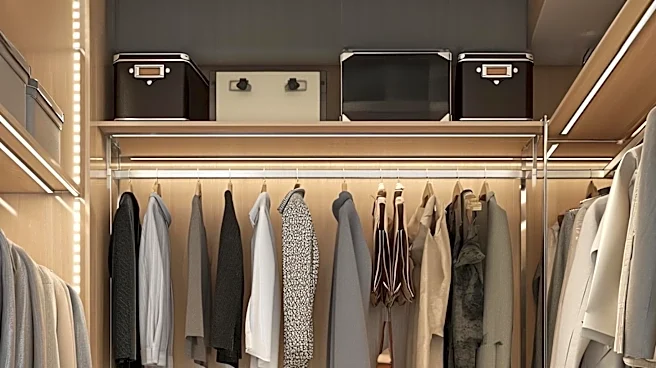
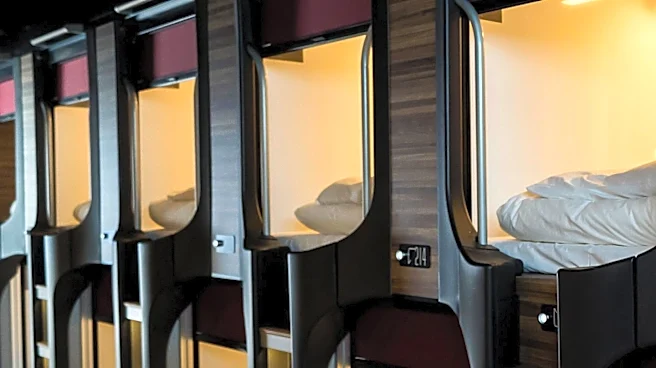
studio, purchased by Scott and his wife as a long-term rental and future empty-nest apartment, initially presented as a 'wide-open' area. Drawing inspiration from Japanese sleeping pods and his own camping experiences, Scott designed a secluded sleeping area with built-in storage. This innovative design allowed for the creation of a separate, cozy sleeping space without the need for a traditional enclosed bedroom, which was not logically feasible. The project involved removing a closet bay, constructing the pod structure, rewiring electrical, and installing drywall, followed by painting and the addition of an IKEA PAX wardrobe system for everyday storage and sliding drawer units for seasonal items.
Why It's Important?
This project highlights a growing trend in urban living and small-space design within the U.S., particularly in cities like Cincinnati where efficient use of space is crucial. The creative adaptation of Japanese sleeping pod concepts demonstrates how innovative architectural solutions can address the challenges of limited square footage, offering both functionality and a sense of privacy in open-plan layouts. For urban dwellers, this approach provides a blueprint for maximizing living areas, potentially increasing the appeal and value of studio apartments. It also showcases the ingenuity of designers and homeowners in customizing spaces to meet specific lifestyle needs, such as creating a 'safe and comfortable' sleeping environment. The project's success in transforming a studio into a space with distinct zones could influence future residential developments and interior design practices focused on compact living.
What's Next?
The success of this Japanese-inspired sleeping pod in Cincinnati could inspire similar small-space innovations in other U.S. urban centers. As housing costs continue to rise and urban populations grow, demand for efficient and multi-functional living solutions is likely to increase. We may see more architects and designers adopting modular, customizable, and space-saving concepts, potentially leading to new trends in furniture design and apartment layouts. The 'furniture' classification of the pod, which avoided additional permitting, could also encourage more DIY and professional projects that creatively reconfigure living spaces without extensive regulatory hurdles. This approach might also influence the rental market, with landlords and developers exploring similar designs to enhance the attractiveness and utility of smaller units.
Beyond the Headlines
Beyond its practical applications, this project reflects a deeper cultural shift towards valuing intentional living and the psychological benefits of well-designed personal spaces. Scott's inspiration from Japanese sleeping pods and his camping experiences underscores a universal human need for a sense of safety and comfort, even within confined environments. The creation of a 'tucked-away area' or 'the pit' further emphasizes the desire for distinct zones within a home, allowing for different moods and activities. This development challenges conventional notions of what constitutes a 'bedroom' and encourages a more fluid, adaptable understanding of living spaces. It also highlights the increasing importance of personal well-being and mental comfort in home design, moving beyond mere aesthetics to create environments that actively support residents' emotional and psychological needs.