






What's Happening?
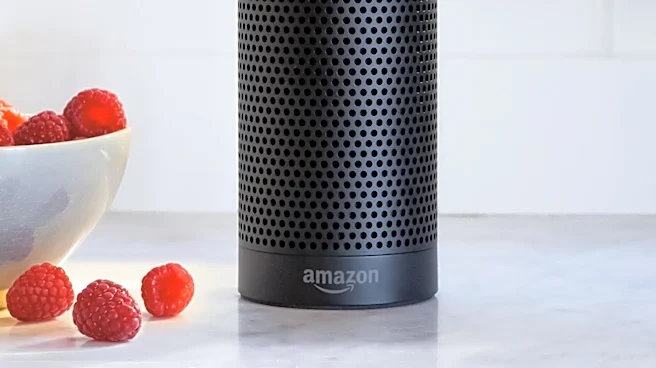
Amazon has introduced a new lineup of Alexa-enabled devices, expanding its Echo series with updated smart speakers, displays, and connected-home products. Key among these releases are the Echo Studio with Home Camera, which integrates a high-quality smart speaker with camera
functionalities for environmental insight, and the Echo Time, an alarm clock designed for bedside use with a customizable screen and camera-free sleep tracking technology. The company also updated the Echo Show 16, featuring a larger display, enhanced camera capabilities, and integrated Fire TV support. Additionally, a next-generation Echo Dot now includes a built-in smart home hub and an eero Wi-Fi extender, alongside improved audio. Another new device is the Alexa Photo Frame, a digital photo frame with Alexa built-in, focusing on displaying memories from Amazon Photos. These devices aim to offer more specialized functionalities, from smart home control and visual assistance to personalized sleep routines and photo display.
Why It's Important?
This new wave of Amazon Echo devices signifies a strategic move by the company to deepen its integration into daily life, offering more specialized and context-aware smart home solutions. The introduction of a camera into the Echo Studio and the advanced sleep-tracking in Echo Time highlight Amazon's push into more sophisticated ambient intelligence, potentially setting new standards for smart home device capabilities. The Echo Dot's inclusion of a smart home hub and Wi-Fi extender could simplify smart home setups for consumers, making it easier to connect various devices without additional hubs. The Echo Show 16's larger display and Fire TV integration aim to position it as a central family organizer and entertainment hub. These developments could intensify competition in the smart home market, particularly against rivals like Google Home, by offering a broader and more integrated ecosystem of devices tailored to specific user needs, thereby influencing consumer expectations for convenience and connectivity.
What's Next?
Amazon's new Echo devices are expected to roll out with varying availability, with some, like the Echo Dot and Echo Time, shipping immediately, while the Echo Show 16 is available for preorder with shipping anticipated later in the year. The company plans to further enhance the functionality of these devices, such as adding support for connecting the Echo Studio with Home Camera to Fire TV for video calls. Future software updates, like the Alexa Home Map, are slated for early access on larger Echo Show devices, which will allow users to create interactive 3D maps of their homes for device control. Consumers will need to consider the specific features, pricing, and potential subscription requirements for Alexa+ and other services when deciding on purchases. The success of these new offerings will likely depend on their real-world performance, user adoption, and how effectively Amazon addresses privacy concerns, especially with the increased integration of cameras and advanced sensing technologies.
Beyond the Headlines
The expanded capabilities of Amazon's new Echo devices, particularly the integration of cameras and advanced sensors, raise significant questions about privacy and data security within the smart home environment. While features like remote room monitoring and visual assistance offer convenience, they also introduce potential vulnerabilities and ethical considerations regarding continuous surveillance and data collection. The Echo Time's camera-free sleep tracking, while designed to alleviate privacy concerns, still collects intimate personal data about sleep patterns. The Alexa Photo Frame's AI-driven photo curation and voice note features could redefine how personal memories are managed and shared digitally, potentially influencing social interactions and family dynamics. As these devices become more embedded in daily life, the balance between technological convenience and personal privacy will become an increasingly critical discussion, shaping future regulations and consumer trust in smart home technology.