


What's Happening?
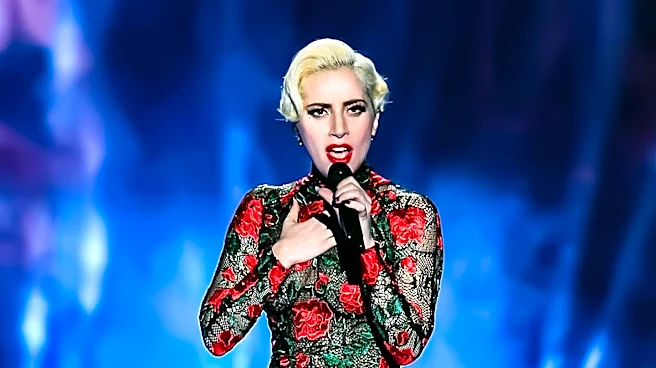
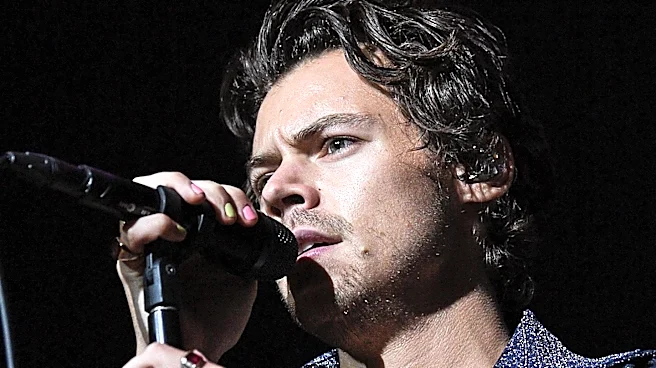
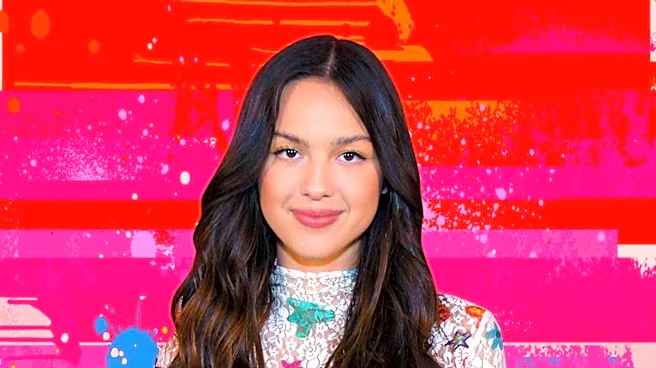
A growing trend in pop music concerts, dubbed the 'surprise song problem,' sees numerous artists incorporating seemingly spontaneous, yet often planned, song selections into their setlists. Artists like Phoebe Bridgers, Olivia Rodrigo, Noah Kahan, Madison
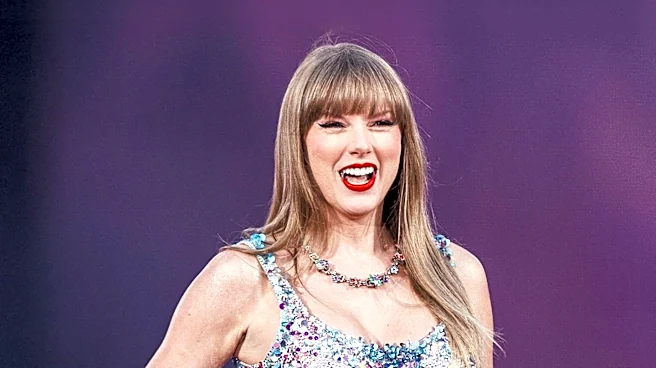
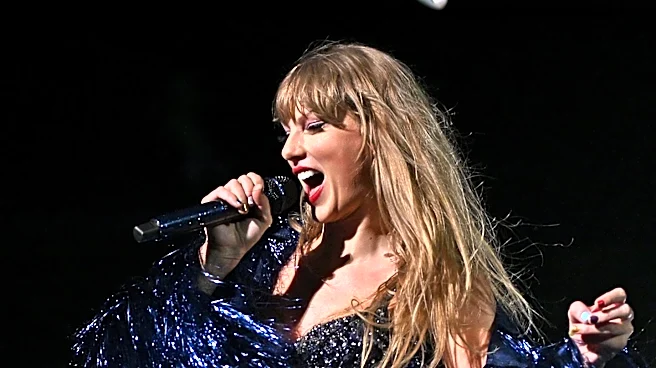
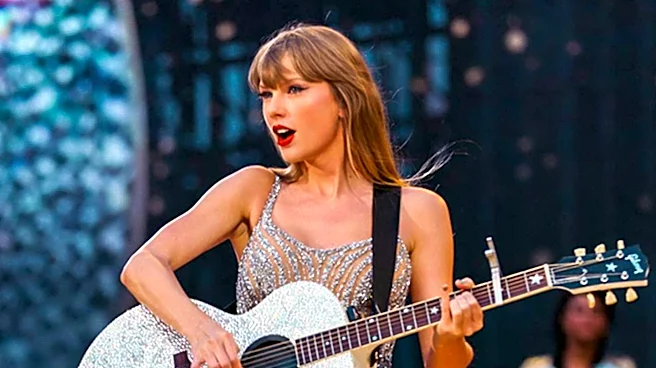
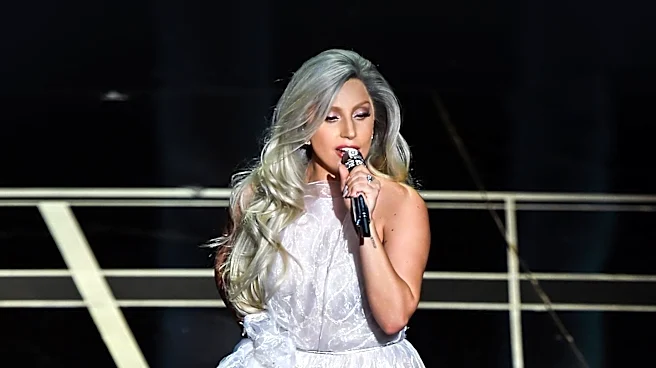
Beer, Harry Styles, and Lady Gaga are among those who have adopted this practice. While intended to create unique moments for each show, this manufactured spontaneity has led to a situation where fans anticipate these 'surprises,' diminishing their genuine impact. The phenomenon, which gained significant traction with Taylor Swift's Eras Tour, has evolved into a competitive aspect among fans, who track and compare setlists across different tour stops. Some artists even involve fans in the selection process, further integrating this element into the concert experience.
Why It's Important?
This trend significantly alters the concert-going experience, shifting focus from the overall performance to specific, often viral, moments. It creates a sense of scarcity and competition among fans, who may feel disappointed if their show doesn't feature a highly desired 'surprise song.' This manufactured spontaneity can detract from the organic energy of a live performance, as both artists and audiences become preoccupied with a pre-determined 'unplanned' segment. While it can generate online buzz and increase engagement, as seen with streaming bumps for Taylor Swift's surprise songs, it also risks alienating fans who prioritize the overall artistic integrity and flow of a show over a single, highly anticipated moment. The emphasis on virality suggests a commercial motivation, where concert moments are designed for online sharing rather than purely for the in-person experience.
Beyond the Headlines
The 'surprise song problem' reflects a broader cultural shift towards gamification and hyper-curation in entertainment. In an age dominated by social media, every live event is scrutinized and compared, leading artists to seek new ways to create 'shareable' content. This trend raises questions about the authenticity of live performances and the pressure on artists to constantly innovate to maintain audience engagement. It also highlights the evolving relationship between artists and fans, where fan expectations, fueled by online communities and trackers, increasingly influence creative decisions. The pursuit of 'planned spontaneity' ultimately challenges the very definition of a live, unscripted moment, suggesting a future where concert experiences are meticulously engineered for both in-person enjoyment and digital dissemination.