



What's Happening?
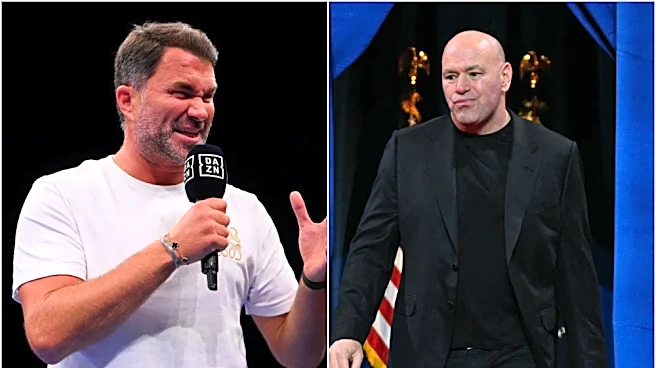
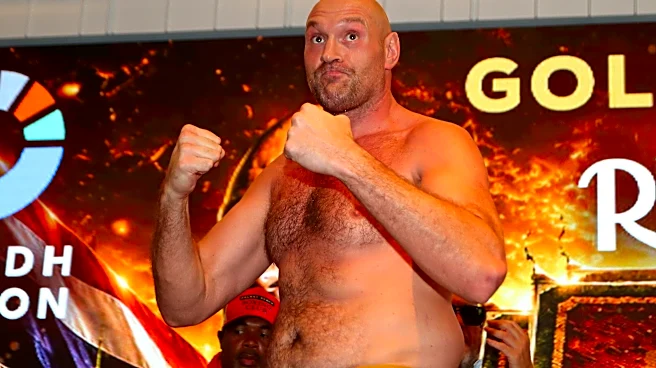
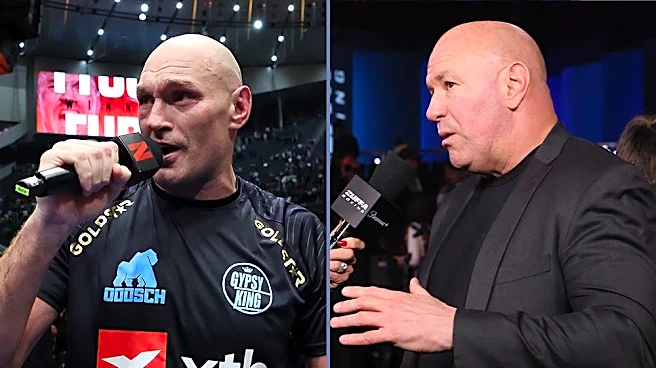
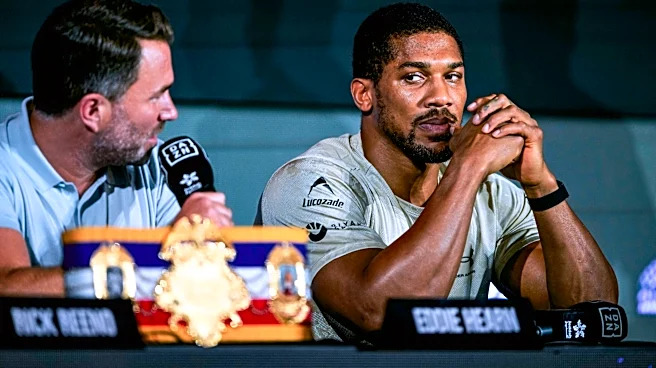
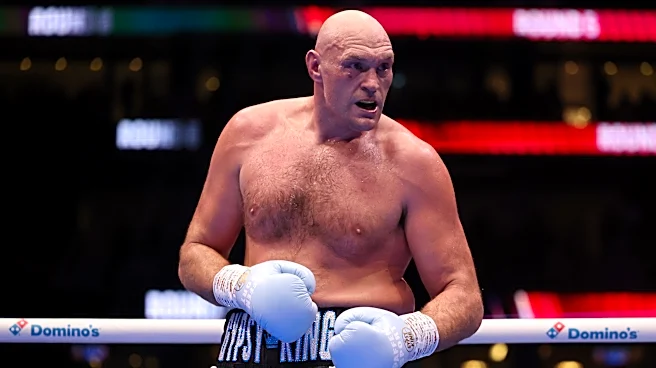
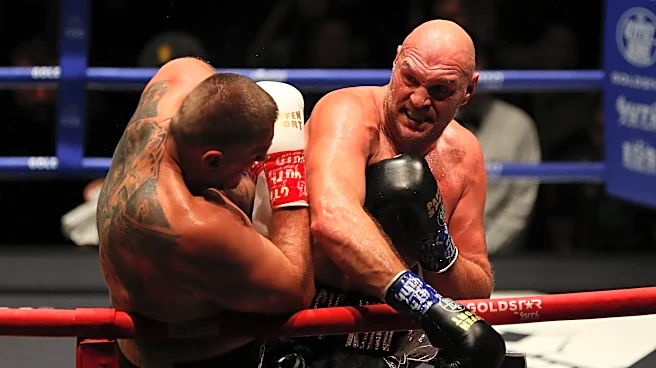
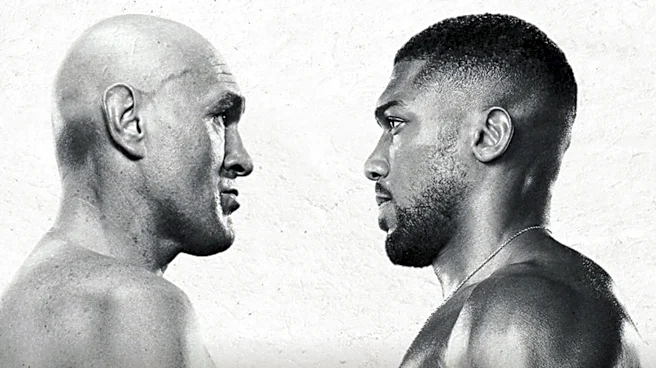
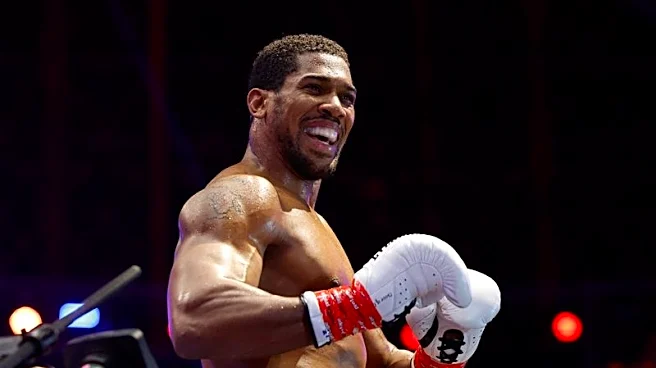
UFC president Dana White is facing significant criticism for his role in the highly anticipated boxing match between Tyson Fury and Anthony Joshua. Despite the fight being officially announced for December, its viability is now in question due to a dispute
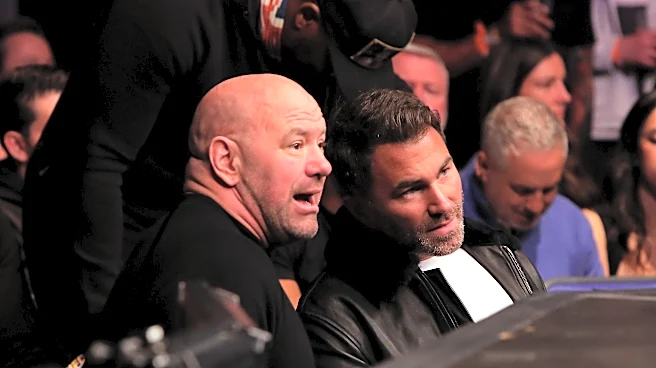
over White's involvement as a promoter. Multiple sources indicate that Turki Alalshikh, who is funding the fight, wants White to be a promoter. However, Anthony Joshua and his promoter, Eddie Hearn, are contractually opposed to Zuffa Boxing's involvement. Fans have taken to social media, urging White to withdraw from the promotion to ensure the fight proceeds. White, who launched Zuffa Boxing in early 2026 with the aim of 'fixing' the sport, is now ironically seen as a major obstacle to a fight that fans eagerly want to see. He has been publicly critical of boxing's promotional politics in the past, advocating for a model where the best fighters compete without such hindrances.
Why It's Important?
This situation highlights the complex and often contentious landscape of combat sports promotion, particularly when different organizations and promoters attempt to collaborate on high-profile events. The potential collapse of the Tyson Fury vs. Anthony Joshua fight due to promotional disagreements would be a significant blow to the boxing world, depriving fans of a highly anticipated heavyweight clash. It also underscores the power dynamics at play, with financial backers like Turki Alalshikh having a strong influence on promotional decisions, even if they conflict with existing contractual agreements. For Dana White and Zuffa Boxing, this controversy could damage their reputation in the boxing community, especially given White's previous criticisms of boxing's promotional issues. The incident could also lead to increased scrutiny of cross-promotional ventures in combat sports, potentially making future collaborations more difficult or subject to stricter contractual stipulations to avoid similar conflicts of interest.
What's Next?
The immediate future of the Tyson Fury vs. Anthony Joshua fight remains uncertain, with Dana White himself admitting he doesn't know if it will proceed. White stated that more clarity is expected within the next three to four days. This period will likely involve intense negotiations and discussions between all parties involved, including Alalshikh, Fury, Joshua, and Hearn, to resolve the promotional dispute. One potential resolution, as suggested by fans and some reports, could be White stepping back from his promotional role to allow the fight to happen. However, White has indicated that such a decision is not solely his to make. The outcome of these discussions will determine whether the fight goes ahead as planned or is postponed/canceled, which would have significant financial and reputational consequences for everyone involved. The boxing community will be closely watching for any official announcements regarding the fight's status and the resolution of the promotional conflict.
Beyond the Headlines
The ongoing dispute surrounding the Fury vs. Joshua fight and Dana White's involvement reveals deeper issues within the professional boxing industry, particularly the persistent challenges of inter-promotional cooperation. White's entry into boxing with Zuffa Boxing was intended to disrupt the traditional promotional model, which he often criticized for preventing major fights. However, this current situation suggests that even with new players and significant financial backing, the entrenched interests and contractual complexities of boxing can still create substantial hurdles. This conflict also raises questions about the balance of power between promoters, fighters, and financial investors in high-stakes events. The public outcry and calls for White to step aside reflect a growing demand from fans for major fights to materialize without being derailed by promotional politics. This could lead to a re-evaluation of how multi-organizational boxing events are structured and negotiated in the future, potentially pushing for more transparent and less contentious promotional agreements to prioritize the delivery of desired matchups.