






What's Happening?
The Financial Stability Board (FSB) has extended an invitation for a Workshop on Regional Vulnerabilities to Extreme Weather Events, scheduled to take place from September 24 to 25, 2026, in Mexico City, Mexico. This event is part of the FSB Regional Consultative
Group (RCG) for the Americas Meeting. The Superintendencia de Banca, Seguros y Administradoras Privadas de Fondos de Pensiones (SBS), a member of the RCG for the Americas, will be participating. The SBS is responsible for regulating and supervising the financial, insurance, private pension, and cooperative systems, and also contributes to preventing and detecting money laundering and terrorist financing. The topics to be discussed at the workshop are considered beneficial for the national financial system and the exercise of supervisory and regulatory functions. Renato Omar Ravina Sánchez, Head of Economic Research of the Economic Studies Management, has been authorized to travel to Mexico City for this event.
Why It's Important?
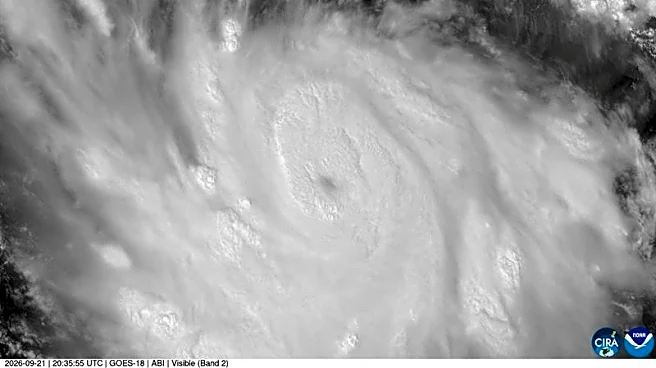
This workshop underscores the growing recognition of climate-related risks within the global financial system. Extreme weather events, exacerbated by climate change, can have significant economic consequences, including damage to infrastructure, disruptions to supply chains, and impacts on various industries. For the U.S. and the broader Americas region, understanding and mitigating these vulnerabilities is crucial for maintaining financial stability. The participation of regulatory bodies like the SBS highlights a proactive approach to integrating climate risk assessment into financial supervision. This initiative can lead to the development of more robust regulatory frameworks and stress testing scenarios that account for climate-related financial risks, potentially influencing investment decisions, insurance policies, and overall economic resilience in the face of environmental challenges.
What's Next?
Following the workshop, Renato Omar Ravina Sánchez is required to submit a detailed report within 10 business days of his return, outlining the actions taken and results obtained. This report will likely inform future policy decisions and regulatory adjustments within the SBS and potentially influence broader discussions within the FSB's Regional Consultative Group for the Americas. The insights gained from this workshop could lead to new recommendations or best practices for financial institutions in the region regarding climate risk management. Furthermore, the ongoing collaboration among international financial bodies like the FSB suggests a continued focus on developing harmonized approaches to address systemic risks posed by extreme weather events, which could translate into new guidelines or standards for financial stability across the Americas.
Beyond the Headlines
The focus on regional vulnerabilities to extreme weather events by the FSB and its members, such as the SBS, signifies a deeper shift in how financial stability is perceived. Beyond traditional economic indicators, climate change is increasingly being recognized as a systemic risk that can trigger financial crises. This initiative reflects a growing understanding that environmental factors are not merely external externalities but integral components of financial health. The discussions in Mexico City could contribute to a more holistic risk assessment framework that incorporates climate resilience, potentially leading to a re-evaluation of asset valuations, lending practices, and investment strategies across the financial sector. This proactive engagement aims to prevent future financial shocks by building a more resilient and sustainable financial system, acknowledging the interconnectedness of environmental and economic stability.