



What's Happening?
SINGULUS TECHNOLOGIES AG has announced a significant increase in revenue and a positive operating result for the first nine months of fiscal year 2026. Revenue rose by approximately 36% to €60.4 million, up from €44.3 million in the previous year. Earnings
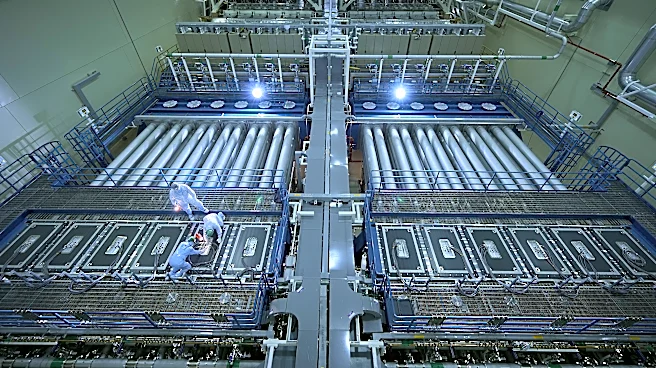
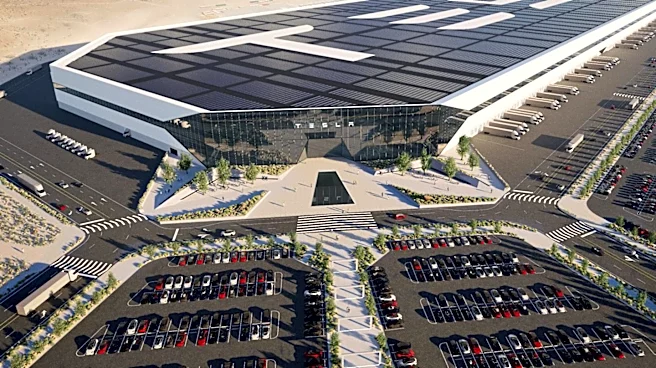
before interest and taxes (EBIT) improved to €1.2 million, a substantial turnaround from the –€2.5 million reported in the same period last year. The gross margin also saw an increase, from 32.5% to 35.4%. A major development for the company is the signing of a supply contract with Space Exploration Technologies Corporation (SpaceX) for a turnkey production line for heterojunction solar cells. This initial contract is valued at over €60 million and is part of a broader strategic partnership with SpaceX, aiming to deliver multiple additional lines. The first production line is scheduled for delivery in the first half of 2027, with plans to scale production to support over 100 GW of equipment as SpaceX expands satellite manufacturing in Bastrop, Texas. Additionally, SINGULUS TECHNOLOGIES has restructured its business relationship with Triumph Science and Technology Group Co., Ltd., repaying liabilities and terminating delivery obligations, while Triumph sold its 16.75% stake to A1681X GmbH & Co. KG.
Why It's Important?
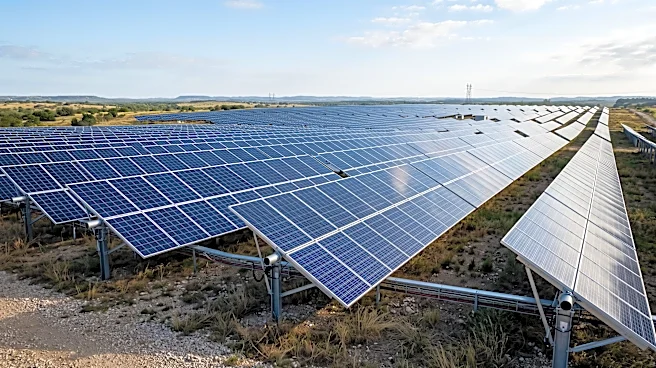
This development is significant for SINGULUS TECHNOLOGIES as it marks a strong financial recovery and strategic pivot towards the growing solar energy sector, particularly in the U.S. market through its partnership with SpaceX. The substantial contract with SpaceX not only provides a significant revenue stream but also positions SINGULUS as a key technology provider in advanced solar cell manufacturing, which is crucial for sustainable energy initiatives. The expansion of solar cell production in Texas, driven by SpaceX's satellite manufacturing needs, indicates a growing demand for high-performance solar technology within the U.S. aerospace and technology sectors. This partnership could foster innovation in solar energy applications and contribute to the domestic supply chain for renewable energy components. The restructuring of the relationship with Triumph also streamlines SINGULUS's operations and financial obligations, allowing for a clearer focus on its new strategic direction and growth opportunities in the solar, semiconductor, and life sciences sectors.
What's Next?
SINGULUS TECHNOLOGIES expects to deliver the first production line to SpaceX in the first half of 2027, with subsequent deliveries planned as part of their strategic partnership. The company aims to scale production to support over 100 GW of equipment, aligning with SpaceX's accelerated satellite manufacturing in Bastrop, Texas. For the full fiscal year 2026, SINGULUS TECHNOLOGIES maintains its forecast of approximately €83.0 million in revenue and positive EBIT in the low single-digit millions, with a significant portion expected from the Solar segment. The company also anticipates continued collaboration with Triumph on ongoing projects, service business, and selected joint ventures despite the restructuring of their financial relationship. Furthermore, Markus Ehret will be stepping down from the Executive Board at the end of 2026, with a successor to be appointed, indicating a leadership transition as the company moves forward with its new strategic focus.
Beyond the Headlines
The strategic partnership between SINGULUS TECHNOLOGIES and SpaceX highlights a broader trend of convergence between advanced manufacturing and renewable energy technologies, particularly within the U.S. aerospace industry. SpaceX's investment in heterojunction solar cell manufacturing in Texas suggests a long-term commitment to energy independence and efficiency for its operations, potentially setting a precedent for other large-scale technology companies. This collaboration could accelerate the development and adoption of high-performance solar cells for both terrestrial and space applications, pushing the boundaries of current solar technology. The move also underscores the increasing importance of robust domestic supply chains for critical technologies, reducing reliance on foreign manufacturers. Ethically, this partnership could be seen as a step towards more sustainable industrial practices within the space exploration sector, aligning with global efforts to reduce carbon footprints and promote clean energy solutions.