




What's Happening?
The Ultimate Fighting Championship (UFC) is facing significant criticism regarding its compensation structure for fighters and referees, despite reporting substantial revenue growth. According to MMA Sucka, UFC generated $1.292 billion in 2023, $1.406
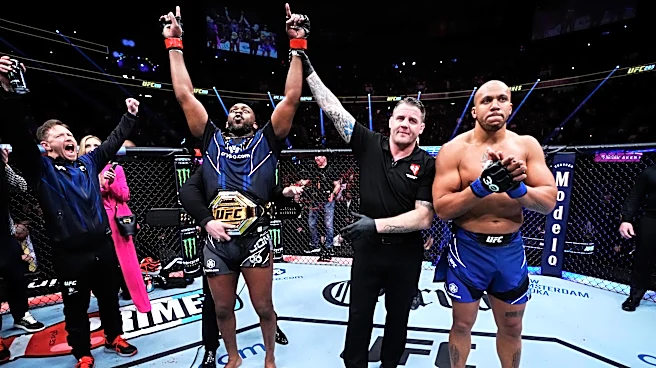
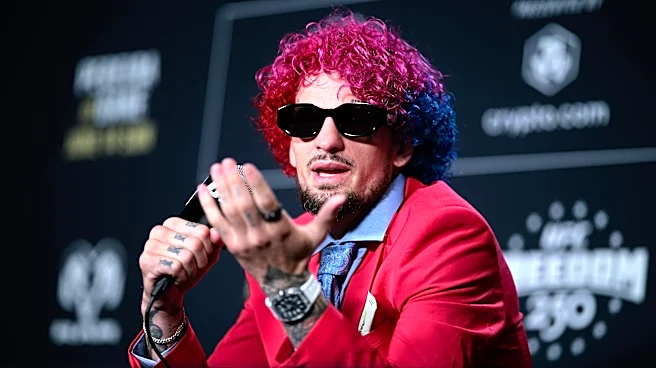
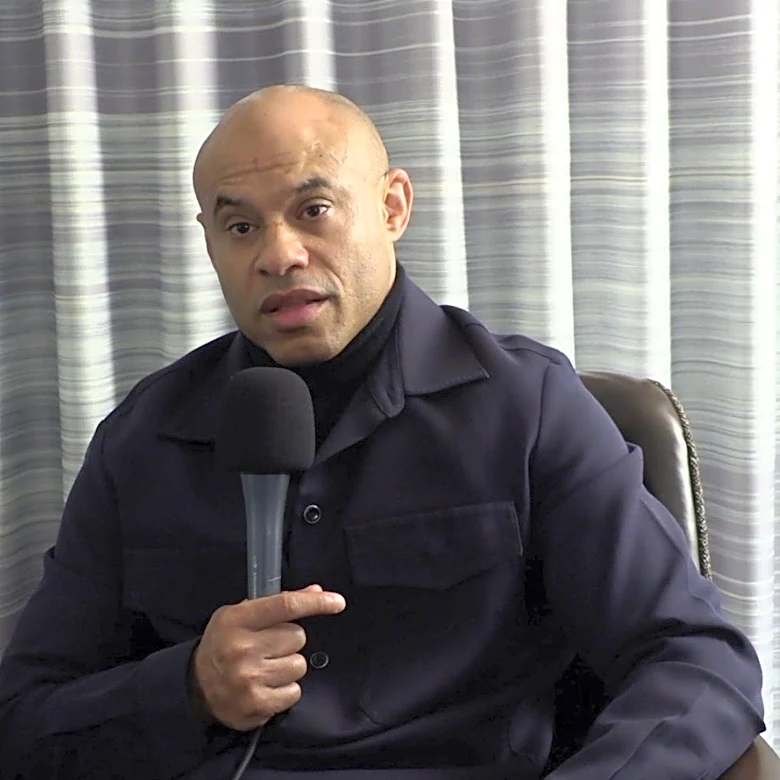
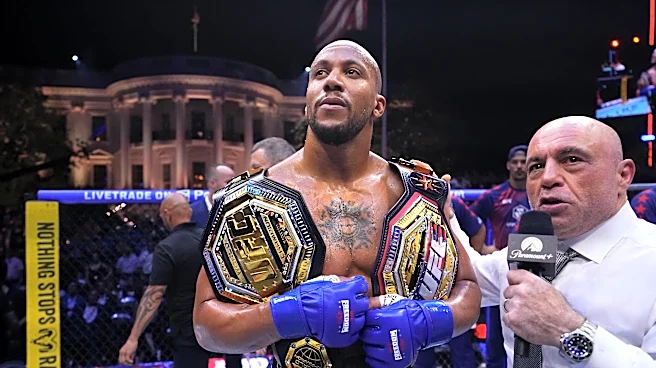
billion in 2024, and $1.502 billion in 2025, following its acquisition by TKO Group Holdings in September 2023. Despite these impressive financial figures, the promotion is estimated to pay only 15% to 20% of its total revenue to fighters, a stark contrast to major leagues like the NFL and NBA, which allocate approximately 48% to 51%. This disparity has led to public outcry from current and former top fighters, including Sean Strickland, Ronda Rousey, Sean O'Malley, Francis Ngannou, and Jon Jones, some of whom have left the organization due to pay disputes. The issue extends to referees, with legendary official 'Big' John McCarthy highlighting the low pay, stating his highest UFC paycheck was $2,000 in 2017. UFC CEO Dana White has deflected responsibility for referee pay, asserting it falls under the purview of the Nevada State Athletic Commission.
Why It's Important?
The ongoing dispute over fighter and referee compensation within the UFC carries significant implications for the combat sports industry and broader labor practices in professional sports. The substantial revenue generated by UFC, coupled with a comparatively low percentage allocated to its athletes and officials, raises questions about equitable profit sharing and fair labor practices. This situation could set a precedent for how athletes in other rapidly growing sports leagues are compensated, potentially influencing future negotiations and unionization efforts. For fighters, the current pay structure can limit career longevity and financial security, pushing some top talents to seek opportunities elsewhere, which could impact the quality and competitiveness of UFC events. For referees, inadequate compensation may deter experienced officials from participating, potentially affecting the integrity and fairness of matches. The controversy also highlights the power dynamics between major sports organizations and their talent, prompting discussions about regulatory oversight and the role of athletic commissions in ensuring fair pay.
What's Next?
The continued pressure from fighters, referees, and media outlets may force UFC and its parent company, TKO Group Holdings, to re-evaluate their compensation policies. While UFC CEO Dana White has publicly stated that referee pay is the responsibility of the Nevada State Athletic Commission, increased scrutiny could lead to calls for greater transparency and potential reforms within athletic commissions regarding official compensation. Fighters may continue to leverage their collective voices and market power to advocate for a larger share of the revenue, potentially leading to more high-profile departures or organized efforts to negotiate better terms. The ongoing debate could also attract the attention of labor organizations or government bodies, prompting investigations into the financial practices of major sports leagues. Future contract negotiations with top-tier talent will likely be closely watched as indicators of any shifts in the UFC's approach to fighter pay. The long-term sustainability of the UFC's current model, given the persistent criticism, remains a key question.
Beyond the Headlines
The UFC's compensation model reflects a broader tension within the entertainment and sports industries between corporate profitability and talent remuneration. This situation brings to light ethical considerations regarding the distribution of wealth generated by athletes' physical and mental sacrifices. The argument that fighters and referees are not receiving a 'fair share' of the revenue, especially when compared to other major sports leagues, touches upon fundamental principles of economic justice and labor rights. The issue also underscores the unique challenges faced by individual contractors in sports, who often lack the collective bargaining power of unionized athletes in leagues like the NFL or NBA. This could spark wider discussions about the need for stronger athlete advocacy groups or regulatory frameworks to protect the financial interests of combat sports participants. Furthermore, the public discourse around this issue could influence fan perception and loyalty, potentially impacting viewership and sponsorship deals if the perception of unfairness persists.