




What's Happening?
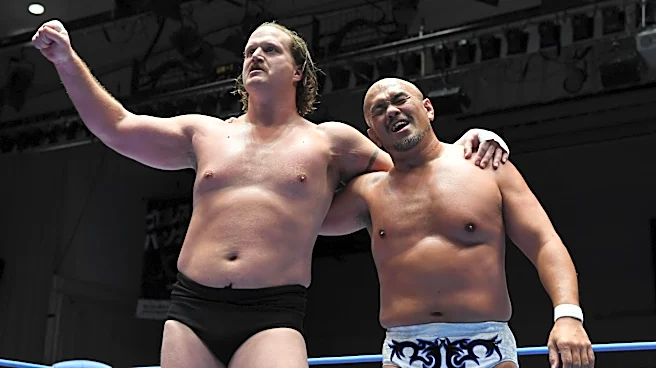
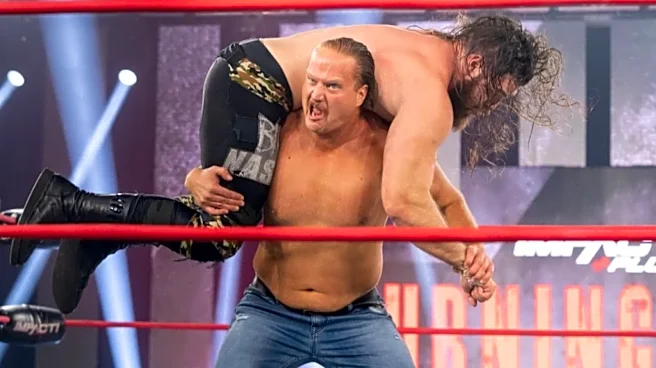
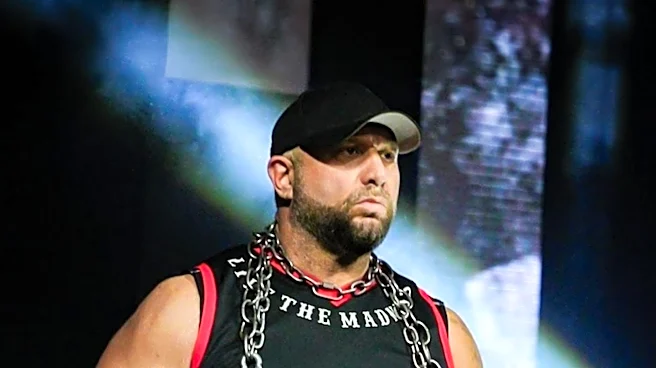
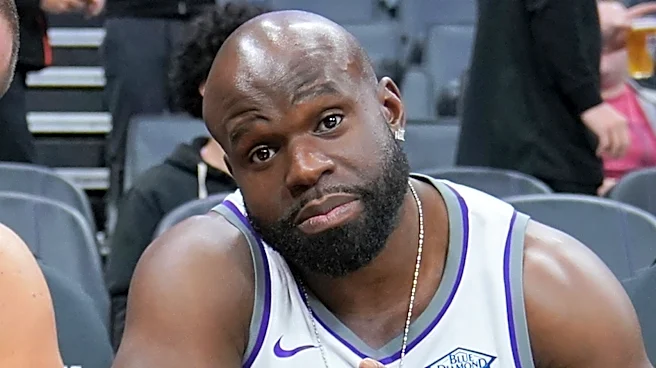
Joe Doering, a former star in TNA and All Japan Pro Wrestling (AJPW), has passed away at the age of 44 following a prolonged battle with brain cancer. Doering was a prominent figure in the wrestling world, known for his achievements as a two-time Triple
Crown Heavyweight Champion in AJPW and a two-time Impact World Tag Team Champion alongside Eric Young and Deaner. His career also included a brief developmental contract with WWE. Doering's family revealed that he had been battling brain cancer for a decade, enduring three separate tumors during this period. The wrestling community has expressed their condolences and shared tributes to honor his legacy.
Why It's Important?
Joe Doering's passing marks a significant loss for the wrestling community, highlighting the impact of his career and the personal challenges he faced. His achievements in TNA and AJPW contributed to the popularity and competitive spirit of professional wrestling. Doering's battle with brain cancer and his perseverance through multiple treatments resonate with fans and fellow wrestlers, underscoring the human side of athletes who often face personal struggles away from the spotlight. His death brings attention to the health challenges faced by athletes and the importance of support systems within the sports community.
What's Next?
The wrestling community is likely to continue honoring Joe Doering's legacy through tributes and memorial events. Wrestling organizations may also use this moment to raise awareness about health issues affecting athletes, potentially leading to increased support for medical research and athlete health programs. Fans and fellow wrestlers may engage in fundraising efforts or awareness campaigns to support cancer research, inspired by Doering's decade-long battle with the disease.
Beyond the Headlines
Joe Doering's story highlights the broader issue of health and wellness in professional sports, particularly the long-term effects of physical and mental stress on athletes. His battle with brain cancer may prompt discussions about the need for comprehensive health care and support for athletes during and after their careers. The wrestling community's response to his passing could foster a culture of empathy and solidarity, encouraging open conversations about health challenges and the importance of mental health support.