




What's Happening?
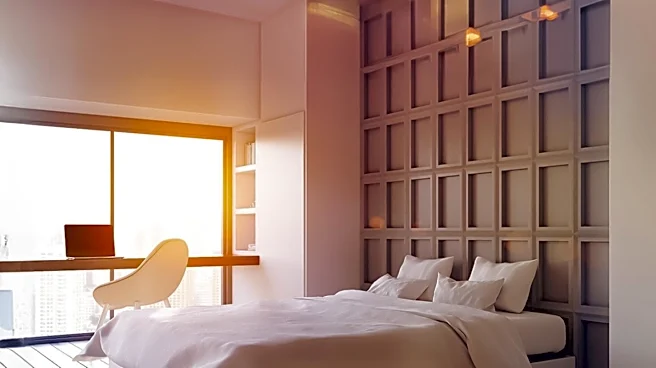
Rental property owners are being advised to tailor their offerings to meet the specific needs of business travelers, focusing on productivity, reliability, and convenience. This involves creating a dedicated workspace with a proper desk, supportive chair,
accessible power outlets, and good lighting, ideally positioned away from distractions. Reliable and strong internet connectivity is deemed non-negotiable for tasks like video calls and large file transfers. The advice also emphasizes simplifying the arrival process through self check-in options and clear instructions, as business travelers often operate on tight schedules. Furthermore, ensuring high-quality sleep with comfortable mattresses, effective window coverings, and noise control is crucial. A functional kitchen equipped with basic appliances and supplies, along with considerations for longer stays such as ample storage and laundry access, are also highlighted as key features to attract and retain professional guests. Efficient communication, characterized by timely essential information and quick responses to inquiries, is also a critical component of a business-friendly rental.
Why It's Important?
This shift in focus for rental businesses is important because it addresses a growing segment of the travel market: business travelers. By catering specifically to their needs, property owners can tap into a demographic that often prioritizes functionality and reliability over purely leisure-oriented amenities. For the U.S. rental industry, this means an opportunity to increase occupancy rates and revenue, especially in urban centers and areas with significant corporate activity. Properties that successfully adapt will likely see higher demand and potentially higher rental yields. Conversely, those that fail to recognize and implement these changes may struggle to compete, as business travelers will gravitate towards accommodations that support their work requirements. This trend also highlights the evolving nature of travel, where the lines between business and leisure can blur, and properties need to be versatile enough to accommodate both.
What's Next?
In response to these recommendations, rental property owners are expected to invest in upgrades and modifications to their properties to better suit business travelers. This could include reconfiguring spaces to create dedicated work areas, enhancing internet infrastructure, and implementing smart home technologies for easier access and control. Property management companies may also begin to offer specialized services for owners looking to attract business guests, including marketing strategies that highlight business-friendly features. The industry might also see a rise in certifications or ratings for properties that meet certain standards for business travel, providing a clear signal to potential guests. As more properties adopt these changes, competition for business travelers will likely intensify, pushing the standard for amenities and services even higher.
Beyond the Headlines
The emphasis on creating business-friendly rentals reflects a broader societal trend towards remote work and flexible professional arrangements. As more individuals work remotely or engage in project-based travel, the demand for accommodations that seamlessly integrate work and living will continue to grow. This development could lead to a re-evaluation of traditional hotel models, as rental properties offer a more home-like environment with greater flexibility and often more cost-effective options for extended stays. It also raises questions about the future of urban planning and residential design, as the need for integrated workspaces within living environments becomes more pronounced. The success of these business-focused rentals could also influence the development of new technologies aimed at enhancing productivity and connectivity for travelers, further blurring the lines between personal and professional spaces.