
What's Happening?
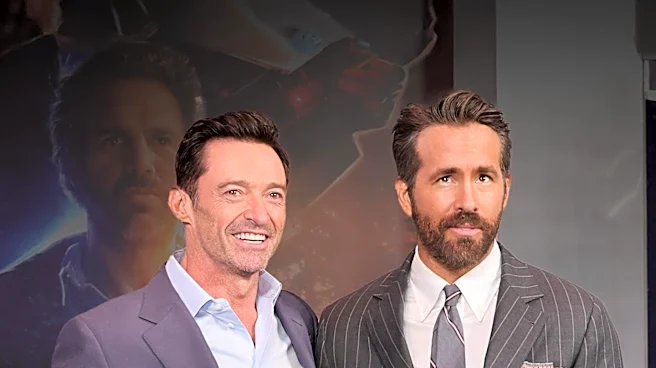
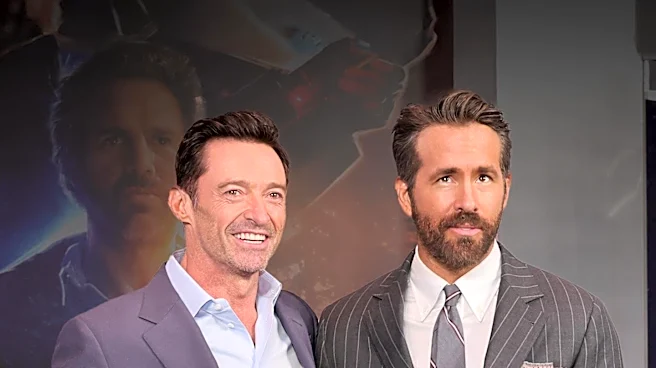
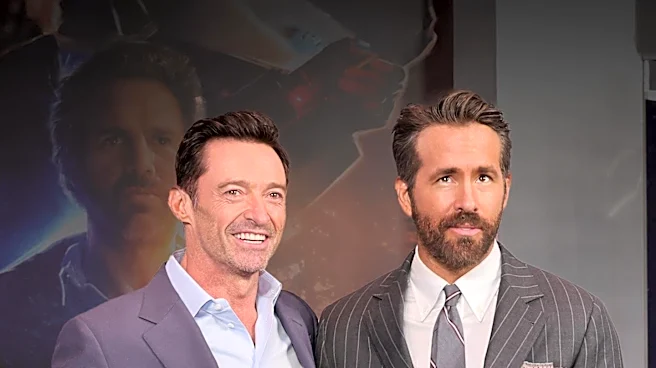
Actors Hugh Jackman and Ryan Reynolds are listed among the ten writers credited for Marvel's upcoming film, 'Avengers: Doomsday,' according to the Writer’s Guild of America’s directory. This marks Jackman's first film writing credit, while Reynolds has
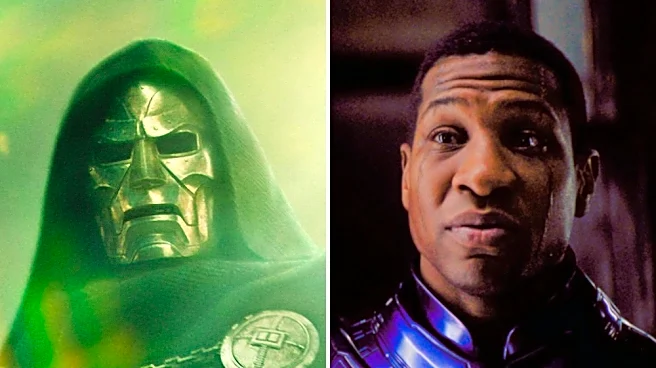
previously written for 'Deadpool 2' and 'Deadpool and Wolverine.' Their involvement has led to speculation about their potential return as Wolverine and Deadpool in 'Avengers: Doomsday.' Other notable writers on the project include Marvel veterans Stephen McFeely and Michael Waldron. The film, originally titled 'The Kang Dynasty,' underwent significant changes after actor Jonathan Majors was fired, shifting its focus to Robert Downey Jr.'s Doctor Doom as the primary villain. Reynolds and Jackman are credited for 'additional literary material,' a WGA designation for writers who contribute to a theatrical feature but do not qualify for a primary writing credit. The WGA directory notes that some information is imported by writers and not officially verified, and users accept the data 'as is with no warranty of its accuracy stated or implied.'
Why It's Important?
The writing credits for Hugh Jackman and Ryan Reynolds on 'Avengers: Doomsday' are significant for several reasons. Firstly, it fuels fan anticipation for the potential inclusion of their iconic X-Men characters, Wolverine and Deadpool, in the broader Marvel Cinematic Universe narrative. This could represent a major crossover event, bringing together different Marvel franchises in a way fans have long desired. Secondly, it highlights the evolving roles of actors in major film productions, with prominent stars contributing to the creative development of their characters and the overall script. This trend could influence future contract negotiations and creative collaborations in Hollywood. Lastly, the shift in the film's villain from Kang to Doctor Doom, coupled with the involvement of these actors, indicates a strategic pivot by Marvel Studios to maintain audience engagement and adapt to unforeseen production challenges, potentially setting a new direction for the MCU's overarching storyline.
What's Next?
The release of 'Avengers: Doomsday' is scheduled for December 17, 2026. Leading up to this, further details regarding the plot and character appearances are expected to emerge. Marvel Studios, Ryan Reynolds, and Hugh Jackman have yet to officially comment on the extent of their characters' involvement in the film, leaving room for continued speculation. The nature of their 'additional literary material' credit suggests they may have contributed specifically to dialogue for their respective characters, but the scope of their on-screen presence remains unconfirmed. Fans will be closely watching for trailers, promotional materials, and official announcements that could clarify whether Wolverine and Deadpool will indeed play significant roles in the upcoming Avengers installment. The film is also anticipated to serve as a 'final goodbye' to the original X-Men era before the MCU's planned 2028 X-Men reboot, making any appearances by Jackman and Reynolds particularly poignant.
Beyond the Headlines
The inclusion of Hugh Jackman and Ryan Reynolds in the writing credits for 'Avengers: Doomsday' extends beyond mere casting news; it reflects a broader trend in the entertainment industry where established actors are increasingly taking on creative roles behind the camera. This can lead to a more integrated creative process, potentially enhancing character authenticity and narrative depth, especially for characters they have portrayed for years. Ethically, it raises questions about the recognition and compensation for such contributions, particularly under the 'additional literary material' designation. Legally, it highlights the complexities of WGA credits and how contributions are formally acknowledged in major studio productions. Culturally, the potential return of Wolverine and Deadpool in a major Avengers film signifies a significant moment for comic book movie adaptations, demonstrating Marvel's willingness to blend different cinematic universes and cater to long-standing fan desires, potentially setting a precedent for future crossover events and shared storytelling across franchises.