





What's Happening?
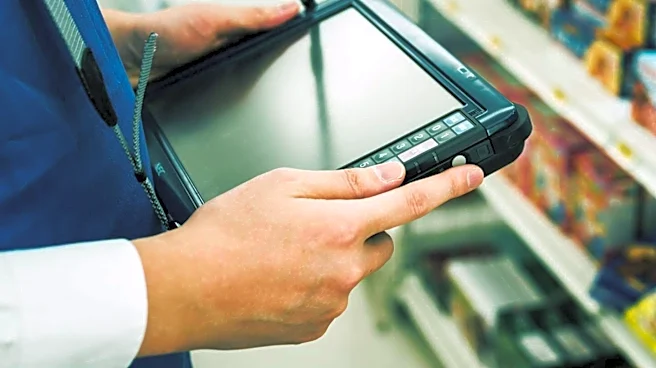
Retail companies are increasingly implementing task management software to centralize and optimize daily store operations and team coordination. This technology allows businesses to assign, track, and manage various activities from a single platform,
moving away from traditional methods like paper checklists or informal communication channels such as WhatsApp. Key applications include managing store opening and closing procedures, ensuring proper product displays, conducting shelf checks, handling customer follow-ups, and addressing maintenance issues. The software provides a structured workflow for recurring tasks and ad-hoc assignments, enabling store managers to set deadlines and monitor progress efficiently. For multi-store operations, this centralized system offers regional managers and business owners enhanced visibility across all locations, reducing the need for manual follow-ups and improving overall operational consistency.
Why It's Important?
The adoption of task management software is crucial for retail companies seeking to enhance efficiency, consistency, and accountability across their operations. In a competitive retail landscape, a missed opening check, an incomplete display, or a delayed customer response can directly impact sales and customer experience. This software standardizes procedures, ensuring that all necessary tasks are completed correctly and on time, which is particularly vital for businesses with multiple outlets. By reducing manual follow-ups and providing real-time visibility into task status, managers can allocate more time to strategic initiatives and customer engagement rather than administrative oversight. This leads to improved operational control, better resource allocation, and ultimately, a more streamlined and profitable retail environment. It also empowers employees with clear responsibilities and a structured way to report progress, fostering a more organized and productive workforce.
What's Next?
The trend of retail companies integrating task management software is expected to continue, with further advancements in features and integration capabilities. Future developments may include more sophisticated AI-driven work validation, where submitted proof of work (e.g., photos, videos) can be automatically analyzed against predefined criteria, flagging discrepancies for human review. Integration with existing retail systems like POS, CRM, and inventory management will become more seamless, creating a unified operational ecosystem. As the retail sector evolves, task management software will likely incorporate more predictive analytics to anticipate operational needs, optimize staffing, and proactively address potential issues. The focus will remain on enhancing user-friendliness for store employees and providing comprehensive, actionable insights for management to drive continuous improvement in retail operations.
Beyond the Headlines
The shift towards specialized task management software in retail signifies a broader digital transformation within the industry, moving beyond just sales and inventory to encompass every aspect of daily operations. This reflects a growing recognition that operational excellence is a key differentiator in a crowded market. The emphasis on 'proof of work' and AI validation also touches upon themes of accountability and trust in distributed workforces, leveraging technology to ensure compliance and quality without constant physical oversight. Ethically, this raises questions about employee monitoring and the balance between oversight and autonomy. Culturally, it represents a move towards data-driven decision-making in traditionally human-centric roles, potentially reshaping the roles of store managers and frontline employees. The long-term implication is a more agile, responsive, and data-informed retail sector, capable of adapting quickly to market changes and consumer demands.