


What's Happening?
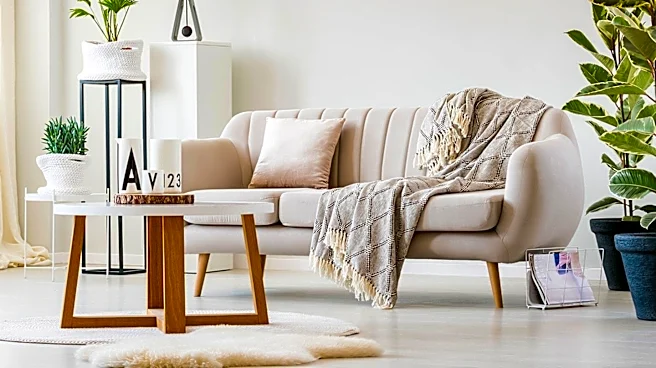
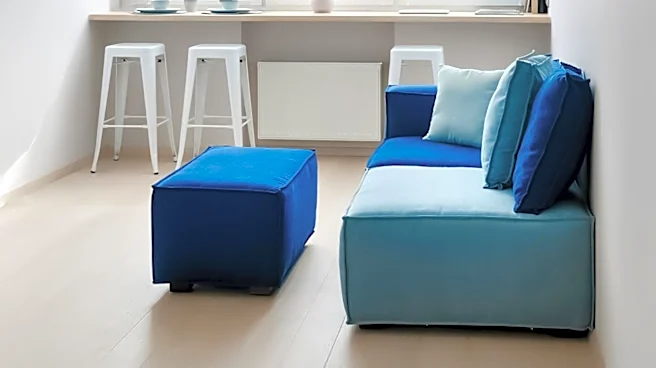
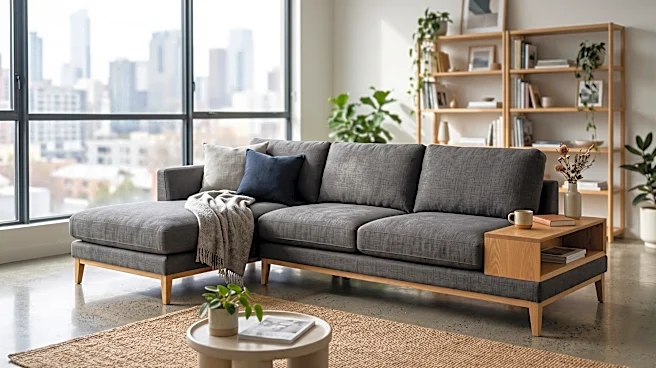
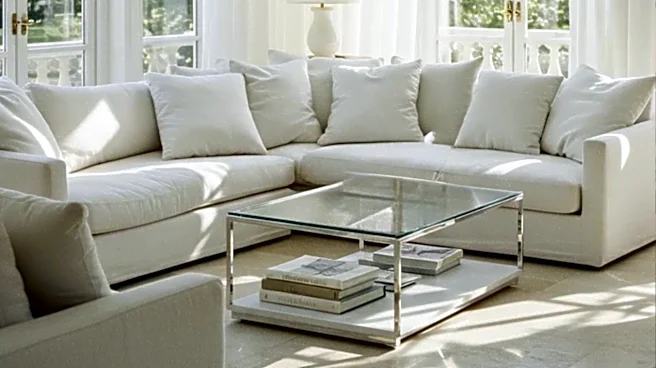
Multifunctional furniture is experiencing a surge in popularity, driven by a desire for space maximization and personalized designs. A key trend for 2027 is the embrace of custom joinery and sectional pieces, allowing consumers to create unique and highly
functional living spaces. This shift reflects a broader movement away from mass-produced items towards individuality, quality craftsmanship, and sustainability in home furnishings. Designers and homeowners are increasingly prioritizing comfort, function, and durability, seeking pieces that not only meet immediate needs but also endure over time. Examples include convertible sleeper sofas, which offer versatility in form and a range of customization options in terms of arm styles and upholstery. The integration of smart textiles, which embed electronic components into fabrics to enhance Extended Reality (XR) interactions, indicates a future where multifunctional furniture will continue to evolve with advanced technologies, offering even greater utility and adaptability within the home environment.
Why It's Important?
This trend signifies a significant evolution in consumer preferences within the U.S. home furnishings market. The emphasis on custom-made and multifunctional pieces suggests a growing demand for tailored solutions that address the challenges of smaller living spaces and the desire for unique aesthetics. For furniture manufacturers and retailers, this means a need to adapt production and design strategies to offer more customizable options and higher-quality, sustainable products. Companies that can effectively integrate smart technologies into their furniture lines will likely gain a competitive edge. This shift also impacts interior designers, who are increasingly tasked with creating personalized, functional, and aesthetically distinct environments for their clients. The prioritization of sustainability and craftsmanship could also lead to a resurgence in local manufacturing and artisanal production, fostering economic growth in those sectors and potentially influencing supply chains to be more localized and responsive to individual consumer demands.
What's Next?
Looking ahead, the furniture industry is expected to further embrace customization and technological integration. Manufacturers will likely invest more in advanced manufacturing techniques that allow for greater personalization and efficient production of bespoke pieces. The development of smart textiles and other integrated technologies will continue, leading to furniture that offers enhanced connectivity, interactive features, and adaptive functionalities. Consumers can anticipate a wider array of modular and convertible furniture options designed to seamlessly transition between different uses and adapt to changing lifestyle needs. Furthermore, the focus on sustainability will drive innovation in materials and production processes, with an increased emphasis on eco-friendly sourcing and manufacturing. This could also lead to new business models, such as furniture-as-a-service or rental options, catering to consumers who prioritize flexibility and reduced environmental impact.
Beyond the Headlines
The rise of multifunctional furniture extends beyond mere utility, reflecting deeper societal shifts. It speaks to a growing consciousness about resource efficiency and environmental impact, as consumers seek to reduce consumption and invest in durable, adaptable items. Ethically, this trend encourages a move away from fast furniture and towards more thoughtful, long-term investments, potentially reducing waste and promoting responsible manufacturing practices. Culturally, it signifies a desire for homes that are not just functional but also deeply personal and reflective of individual lifestyles, moving away from homogeneous, mass-market aesthetics. Legally, the integration of smart technologies into furniture may raise new questions regarding data privacy and security, necessitating the development of regulations to protect consumer information. This evolution in furniture design is thus intertwined with broader discussions about sustainable living, technological integration, and the evolving definition of 'home' in a modern context.