
What's Happening?
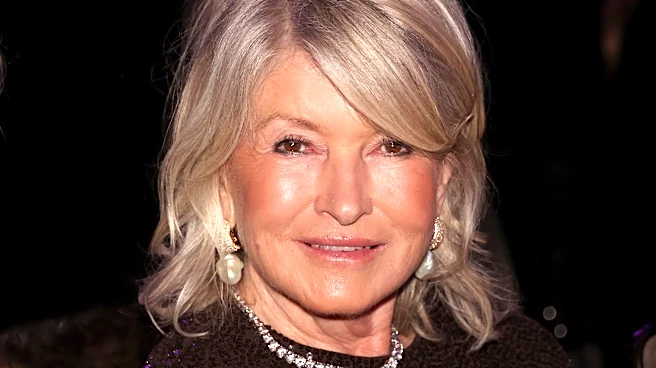
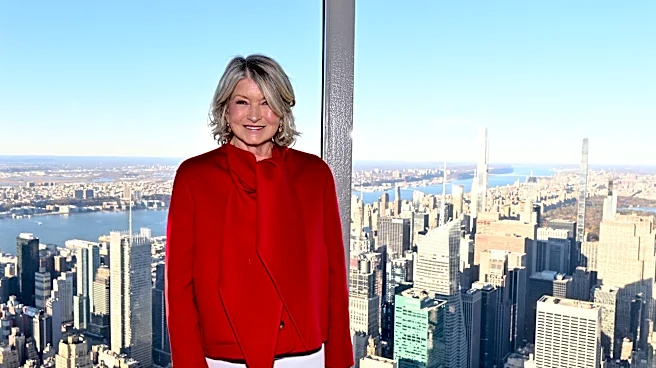
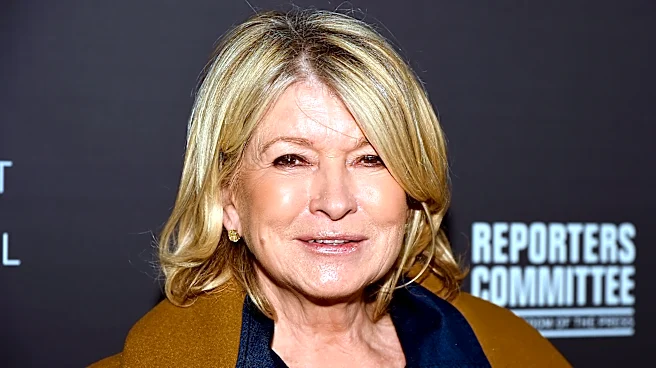
Homemaking mogul Martha Stewart recently made a significant typo in a Thanksgiving message posted on her Facebook page, telling followers to look at her "random s***" instead of "random snaps." This social media gaffe occurred just weeks after she faced
widespread public outrage for a Halloween costume depicting a homeless person. The Halloween costume, which showed Stewart in tattered clothing with dirt on her face and holding a sign that read "I AM HUNGRY HELP ME!", was quickly deleted from her Instagram. Stewart later issued a public apology, stating her intention was to raise awareness about homelessness and that she was distressed by the offense caused. She also appeared on the "Today" show to apologize, attributing a last-minute costume change to an accident involving host Craig Melvin. Despite her apologies, the recent typo has reignited public discussion surrounding her social media presence and public image.
Why It's Important?
This series of events highlights the challenges public figures face in managing their online presence and the immediate scrutiny social media brings. For Martha Stewart, a figure known for her polished image and lifestyle brand, these incidents can impact public perception and potentially her business ventures. The Halloween costume controversy, in particular, sparked a broader conversation about sensitivity, privilege, and the appropriate way to address serious social issues like homelessness. The public's swift and strong reaction underscores a growing demand for authenticity and social responsibility from celebrities and brands. Repeated missteps, even seemingly minor ones like a typo, can accumulate and erode trust, affecting her brand's credibility and connection with her audience, especially given her history of carefully curated content.
What's Next?
Following the recent typo, Martha Stewart has acknowledged the "ridiculous comments" and indicated that "missellings [sic] do occur and should be ignored." This suggests she may continue to address public feedback, though her approach to future social media posts might become more cautious. The incidents could lead to a re-evaluation of her social media strategy, potentially involving more stringent content review processes before posting. Public figures often face pressure to maintain a consistent and positive image, and repeated controversies can necessitate a more deliberate and thoughtful engagement with their audience. It remains to be seen how these events will influence her long-term public relations and brand management, particularly as she continues to launch new collections and maintain her media presence.
Beyond the Headlines
Beyond the immediate public relations challenges, these incidents touch upon broader themes of celebrity culture, social media ethics, and the representation of marginalized communities. The backlash against Stewart's Halloween costume reflects a societal shift towards greater awareness and less tolerance for perceived insensitivity, particularly when it involves issues of poverty and vulnerability. It also underscores the double-edged sword of social media for public figures: while it offers direct engagement with fans, it also provides an unfiltered platform for public criticism and rapid dissemination of controversial content. The ongoing scrutiny of Stewart's posts, from typos to costume choices, illustrates how even seemingly minor actions by prominent individuals can trigger significant public discourse and shape perceptions of their character and values.