





What's Happening?
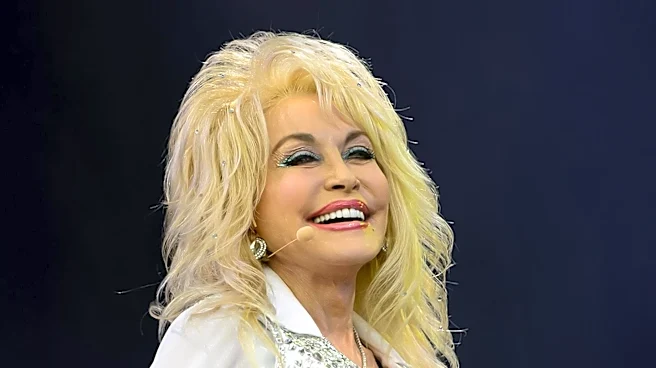
Bryan Seaver, Dolly Parton's nephew and former head of security, has filed an affidavit in a Tennessee court, denying accusations of threatening violence and attempting to destroy Parton's legacy. This filing is in response to a temporary restraining
order sought by She's Alive, the entity managing Parton's professional property and business. Seaver claims the messages cited as evidence were private conversations taken out of context and stemmed from a payment dispute. According to Seaver, his company, Squadron Augmented Protection Services (SAPS), was owed over $250,000 for security services provided to Herschend Family Entertainment, which operates Parton's Dollywood amusement park and Songteller Hotel. Seaver stated that his anger and a message about setting up a podcast to 'ruin Dolly's brand partnerships' were solely related to this unpaid debt. He also clarified that references to being an 'international arms dealer' were related to his legitimate security work, which includes brokering arms between the U.S. government and the Haitian National Police.
Why It's Important?
This legal dispute highlights potential vulnerabilities in the management and protection of high-profile estates, particularly after the passing of a cultural icon. The broad scope of the restraining order, which restricts Seaver from contact with anyone having a business relationship with She's Alive, raises concerns about its practical enforceability and potential impact on personal and professional networks within the entertainment industry. The case also underscores the complexities of business relationships and financial obligations within large entertainment enterprises, especially when family members are involved. The allegations and counter-allegations could affect public perception of Dolly Parton's estate management and the companies associated with her brand, such as Herschend Family Entertainment. The dispute over unpaid services also brings to light the financial pressures and contractual disagreements that can arise even within well-established business structures.
What's Next?
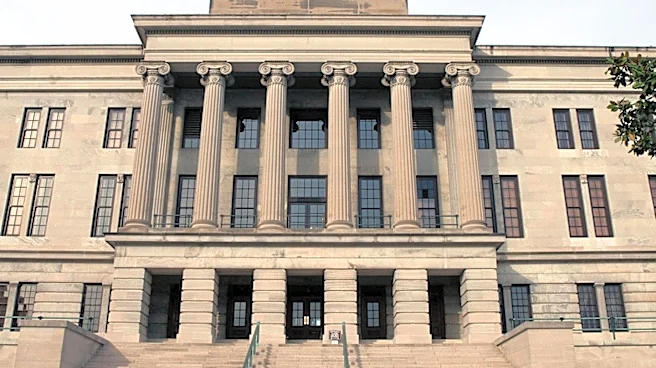
The two sides, Bryan Seaver and She's Alive, are scheduled to present their cases to Chancellor I'Ashea L. Myles at a hearing on October 20. This hearing will determine whether the temporary restraining order against Seaver will become permanent. Seaver's company has since received the more than $250,000 payment and has been replaced as the security provider for She's Alive. The outcome of the hearing will establish the legal boundaries for Seaver's interactions with Parton's estate and associated businesses. It could also set a precedent for how similar disputes involving high-profile estates and former associates are handled in the future. Further legal actions or public statements from either party are possible following the court's decision.
Beyond the Headlines
This case delves into the intricate dynamics of managing a celebrity's legacy and business empire, particularly when personal relationships and professional obligations intertwine. The dispute reveals the challenges of maintaining control over a brand's image and business operations, especially in the wake of a founder's death. The broadness of the restraining order, which Seaver argues could inadvertently restrict him from interacting with his own relatives due to their connections to Parton's estate, raises questions about the balance between protecting business interests and individual rights. It also sheds light on the potential for misinterpretation of communications, especially in emotionally charged situations following a significant loss. The incident underscores the importance of clear contractual agreements and communication protocols within large organizations to prevent such disputes from escalating into public legal battles.