




What's Happening?
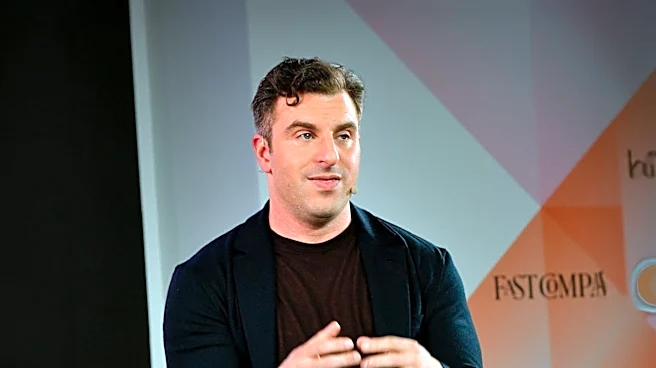
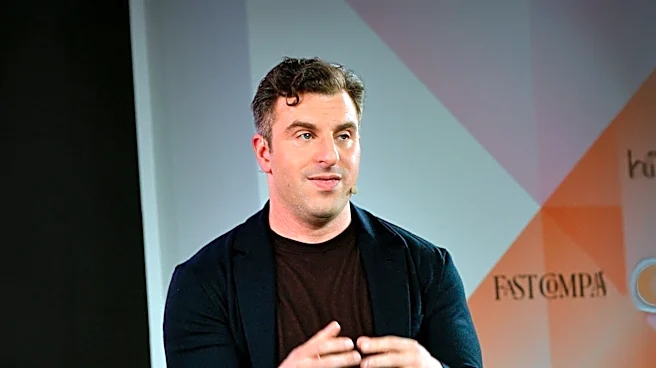
Brian Chesky, CEO and co-founder of Airbnb, has expressed a strong preference for in-person communication over email, ranking it as his least favored method. According to an interview with Time, Chesky finds email 'inferior to almost all other forms of communication.'
His personal ranking places in-person meetings first, followed by Zoom, then SMS, with email coming in last. While he acknowledges responding to emails he receives, he rarely sends them himself, stating to Fortune that he might not write one email per week. Chesky believes that SMS, his preferred tool for quick exchanges, fosters a deeper connection because it is organized by person rather than by subject, making communication feel more personal and less like an effort. He also notes that the boundary between his professional and private life is often blurred, though he tries to avoid contacting employees during family time.
Why It's Important?
This communication philosophy from a prominent CEO like Brian Chesky could influence corporate communication strategies, particularly in the tech sector. His emphasis on direct, personal interaction challenges the prevalent reliance on email in many businesses, suggesting a potential shift towards more immediate and relational communication methods. For employees, this approach might lead to a more engaged and connected workplace culture, but it also blurs the lines between work and personal time, as messages from the CEO via SMS could be perceived as urgent regardless of the hour. Companies might consider re-evaluating their internal communication tools and protocols to foster better engagement and efficiency, potentially moving away from email-centric models to more dynamic platforms that encourage real-time interaction.
What's Next?
The communication preferences of leaders like Brian Chesky could inspire other companies to experiment with alternative communication methods. This might lead to a broader adoption of tools that prioritize real-time interaction and personal connection, such as video conferencing and instant messaging platforms, potentially reducing the volume of internal emails. However, organizations will need to carefully manage the implications of such shifts, particularly regarding employee availability and work-life balance. The challenge will be to implement communication strategies that enhance productivity and connection without creating an expectation of constant accessibility, ensuring that employees can maintain healthy boundaries between their professional and personal lives.
Beyond the Headlines
Chesky's stance on communication highlights a deeper cultural shift in how work is conducted and perceived. The traditional corporate reliance on email, often seen as a formal and asynchronous method, is being questioned by leaders who value immediacy and personal touch. This move could foster a more collaborative and less bureaucratic work environment, but it also raises ethical considerations about employee privacy and the right to disconnect. The constant availability implied by SMS communication, especially from a CEO, could lead to increased stress and burnout if not managed with clear guidelines and respect for personal time. Ultimately, this trend could redefine professional etiquette and expectations, pushing companies to find a balance between efficient, personal communication and the well-being of their workforce.