




What's Happening?
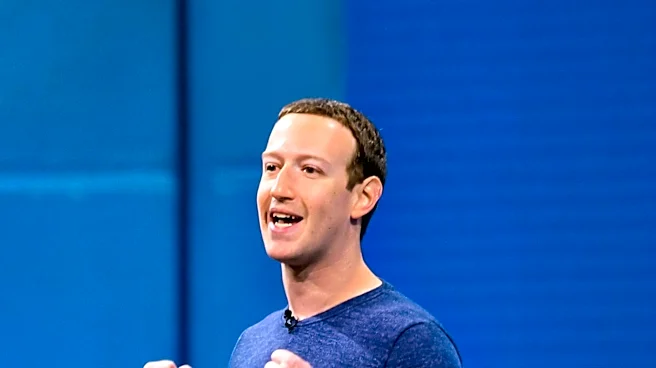
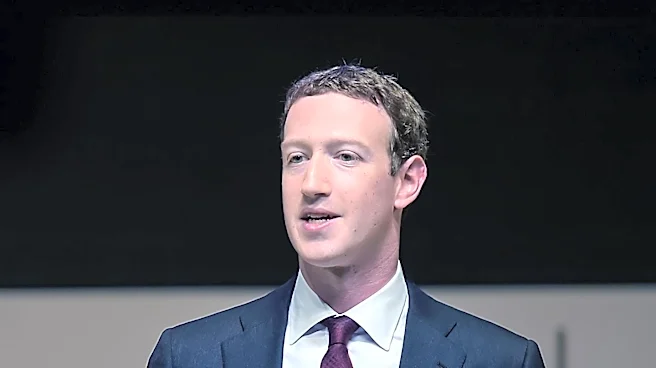
Mark Zuckerberg, CEO of Meta, has released a manifesto titled 'The Future is for Everyone,' advocating for the open-source development of artificial intelligence (AI). In his 6,500-word essay, Zuckerberg argues that AI should be accessible to the general
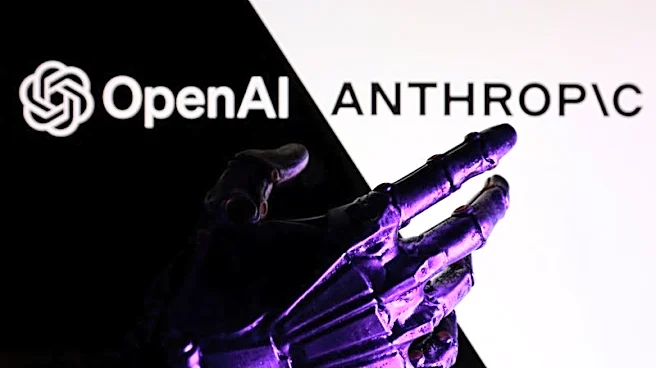
population rather than controlled by a few companies. He emphasizes the need for collaboration with the government to reduce restrictions on training data, which he believes hampers U.S. companies' ability to lead in AI development. Zuckerberg's manifesto comes as Meta releases an open-source version of its advanced AI model, 'Muse Glimmer.' The essay also addresses criticisms from figures like Dario Amodei, CEO of Anthropic, who has expressed concerns about the potential misuse of AI by authoritarian governments.
Why It's Important?
Zuckerberg's manifesto highlights the ongoing debate in the tech industry about the balance between innovation and regulation in AI development. By advocating for open-source AI, Zuckerberg positions Meta as a proponent of democratizing AI technology, which could lead to broader innovation and competition. However, this stance also raises concerns about security and ethical implications, as open-source models could be exploited by malicious actors. The manifesto underscores the tension between tech companies and policymakers over how to manage AI's rapid advancement while ensuring it benefits society as a whole.
What's Next?
The release of Zuckerberg's manifesto and Meta's open-source AI model is likely to spark further discussions among tech companies, policymakers, and the public about the future of AI regulation. As the U.S. government considers how to address the challenges posed by AI, companies like Meta may face increased scrutiny over their role in shaping AI's trajectory. The debate over open-source AI could influence future legislation and international agreements on AI governance.