





What's Happening?
A new study by Upgraded Points, based on an analysis of fleet data from the nine largest U.S. airlines and a survey of 1,010 U.S. air travelers, reveals significant insights into aircraft age and passenger perceptions. The study found that while travelers often
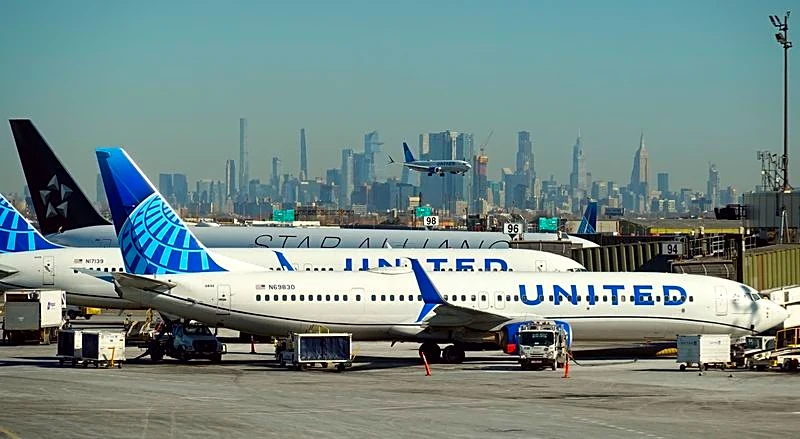
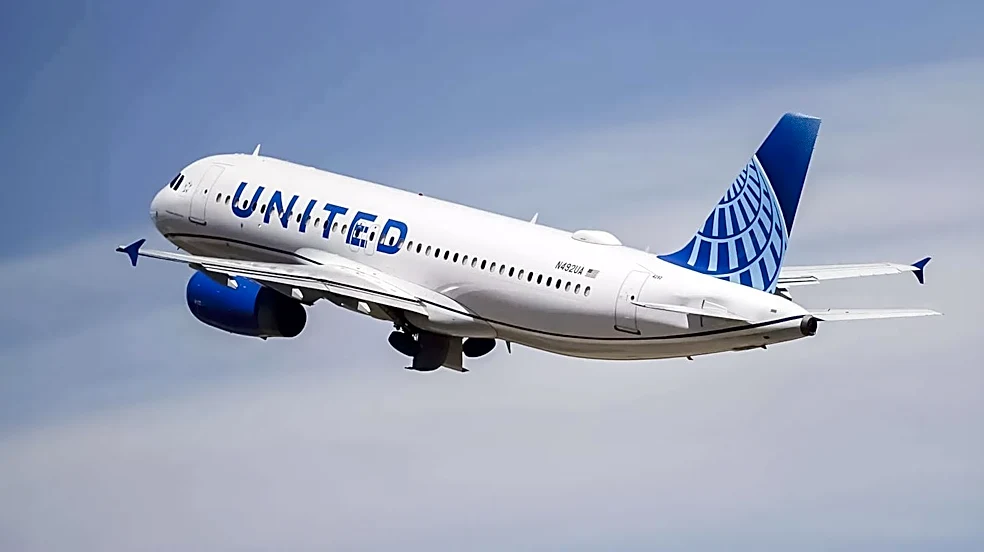
misjudge the age of airline fleets, a majority care about it and would let it influence their booking decisions. For instance, travelers frequently named Delta as having the youngest fleet, but its average age is 15.0 years, tied with United and Hawaiian for the oldest average among the surveyed airlines. Conversely, Frontier, often perceived as having an older fleet, actually has the youngest average at 4.8 years. The average age across all nine airlines' fleets is 12.4 years, significantly lower than the 20 years travelers estimated. United Airlines has the largest share of planes 25 years or older (30.7%), followed by Delta (27.6%) and American Airlines (24.3%).
Why It's Important?
This study is important because it highlights a disconnect between consumer perception and reality regarding airline fleet age, and it underscores the potential impact of this information on booking behavior. With 57% of travelers caring about plane age and 63% indicating it would influence their booking decisions, airlines face a challenge in managing public perception and potentially in their marketing strategies. The finding that 71% of travelers want airlines to disclose aircraft age during booking suggests a demand for greater transparency, which could lead to industry-wide changes in how flight information is presented. Furthermore, 64% of respondents would pay extra to fly on a newer plane, indicating a potential revenue opportunity for airlines with younger fleets or those willing to invest in fleet modernization. This could drive competition among airlines to update their aircraft or to more effectively communicate the safety and reliability of their existing fleets, regardless of age.
What's Next?
Airlines may need to re-evaluate their communication strategies regarding fleet age and maintenance to address traveler concerns and misconceptions. Given that a significant portion of travelers would pay more for newer planes, some airlines might consider accelerating fleet modernization programs or highlighting the advanced safety and comfort features of their existing aircraft, even if they are older. The demand for transparency could lead to industry discussions about standardizing the disclosure of aircraft age during the booking process. This could involve regulatory bodies or industry associations setting guidelines for how this information is presented to consumers. Additionally, airlines with younger fleets, such as Frontier and Southwest, might leverage this data in their marketing campaigns to attract age-conscious travelers. Conversely, airlines with older fleets, like United and Delta, may need to emphasize their rigorous maintenance protocols and safety records to reassure passengers.
Beyond the Headlines
The study's findings delve into the psychological aspects of consumer trust and decision-making in the aviation industry. The discrepancy between perceived and actual fleet age suggests that travelers often rely on anecdotal evidence or brand image rather than factual data. This highlights the power of perception and the need for airlines to actively shape their narratives. The willingness of travelers to pay more for newer planes, despite modern maintenance standards ensuring the safety of older aircraft, points to a broader consumer preference for perceived newness and technological advancement. This could influence not only fleet investment decisions but also cabin interior upgrades and passenger experience enhancements, as airlines seek to create a 'newer' feel even in older aircraft. Ethically, the call for greater transparency about aircraft age raises questions about an airline's responsibility to disclose all relevant information that might influence a consumer's choice, even if not directly related to safety.