




What's Happening?
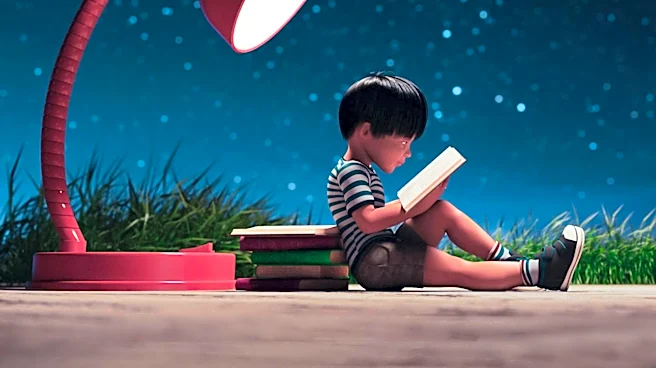
AI-generated children's books, often personalized with children's names and likenesses, are becoming popular gifts among grandparents. However, parents are expressing dissatisfaction with these 'slop books,' citing a lack of engaging stories and memorable
characters. Critics argue that while personalization may appeal to some, it does not guarantee a captivating reading experience. Experts like Daozhi Xu emphasize that children value interesting stories over mere personalization, and AI-generated books often fall short in delivering humor and dramatic tension.
Why It's Important?
The trend of AI-generated children's books raises questions about the quality and educational value of content being provided to young readers. As literacy rates among children remain a concern, with many reading below basic standards, the reliance on AI-generated content could impact children's development and interest in reading. This situation highlights the need for parents and educators to prioritize high-quality, engaging literature that fosters a love for reading and supports literacy development.
Beyond the Headlines
The rise of AI-generated books also reflects broader societal trends in content consumption and production. As AI technology becomes more integrated into creative processes, there is a growing need to balance technological innovation with the preservation of human creativity and storytelling. This development may prompt discussions about the ethical implications of using AI in content creation, particularly in areas that impact children's education and development.