



What's Happening?
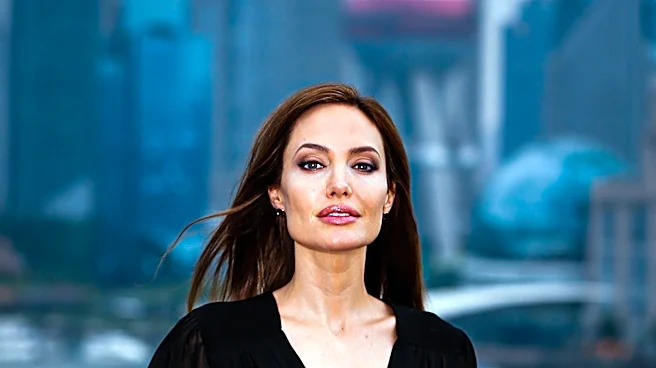
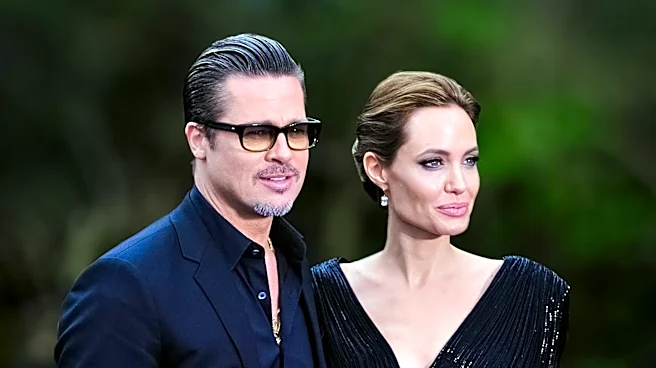
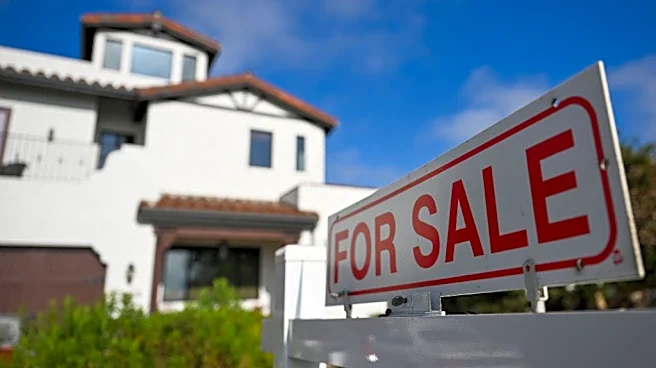
Angelina Jolie has sold her Los Angeles mansion for $24.75 million, a price that was $250,000 more than she paid for it in 2017. The property, which was previously owned by filmmaker Cecil B. DeMille, was initially listed for $29.85 million in May. Despite
widespread rumors suggesting that global pop icon Madonna purchased the historic residence, Jolie's real estate agent has explicitly denied confirming the buyer's identity. The agent cited strict privacy protocols and a non-disclosure agreement established during the negotiation process as reasons for withholding the information. This confidentiality agreement prevents any release of information that could identify the purchaser, emphasizing that protecting the buyer’s privacy was a fundamental component of finalizing the deal. The rumors about Madonna originated from media reports suggesting she conducted a virtual tour of the property last August, but the agent did not validate these specific details.
Why It's Important?
The sale of Angelina Jolie's former Los Angeles mansion highlights the significant role of confidentiality agreements in high-profile real estate transactions involving celebrities. The strict adherence to non-disclosure agreements underscores a growing trend among wealthy individuals to maintain privacy regarding their personal assets and investments, even when dealing with properties that attract considerable public interest due to their historical significance or previous celebrity ownership. This practice can influence market dynamics by creating a more discreet environment for luxury property sales, potentially attracting buyers who prioritize anonymity. For the real estate industry, it reinforces the importance of managing client expectations regarding privacy and the legal frameworks surrounding such agreements. The public's intense speculation, fueled by media reports, also demonstrates the enduring fascination with celebrity real estate and the challenges of verifying information in the absence of official disclosures.
What's Next?
The identity of the new owner of Angelina Jolie's former mansion is expected to remain undisclosed due to the existing non-disclosure agreement. This means that any further speculation regarding the buyer, including the persistent rumors about Madonna, will likely continue without official confirmation or denial from the parties involved in the transaction. The real estate agent has made it clear that the confidentiality terms prohibit disclosing who viewed or ultimately secured the home, indicating a firm stance on protecting the buyer's privacy. This situation sets a precedent for how similar high-value celebrity property sales might be handled in the future, with an increased emphasis on privacy and discretion. The focus will likely shift to the property's future use and any potential renovations, which might eventually offer clues about the new owner, though direct identification is unlikely.
Beyond the Headlines
The intense public and media interest surrounding the sale of Angelina Jolie's mansion, coupled with the strict confidentiality measures, reveals deeper societal dynamics concerning celebrity culture and privacy. In an era of pervasive information sharing, the ability of high-net-worth individuals to enforce non-disclosure agreements in significant transactions like real estate sales highlights a strategic effort to control personal narratives and protect private lives from public scrutiny. This practice raises questions about the balance between public curiosity and individual rights to privacy, especially for figures who live much of their lives in the public eye. Furthermore, the historical significance of the property, once owned by Cecil B. DeMille, adds another layer to its allure, blending Hollywood history with contemporary celebrity real estate. The mystery surrounding the buyer could also inadvertently increase the property's mystique and value over time, as its undisclosed ownership becomes part of its unique story.