



What's Happening?
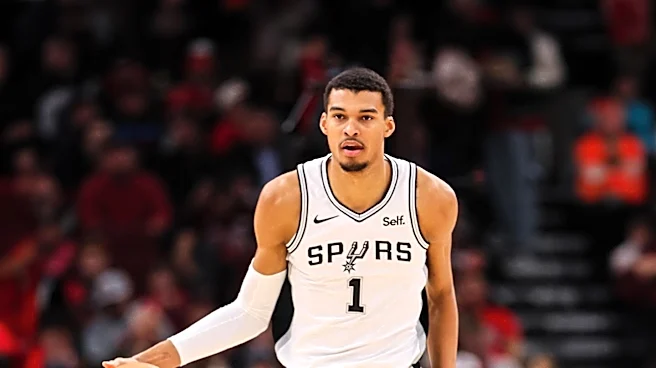
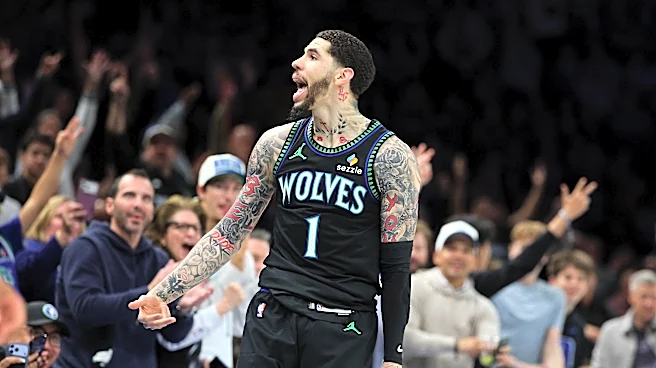
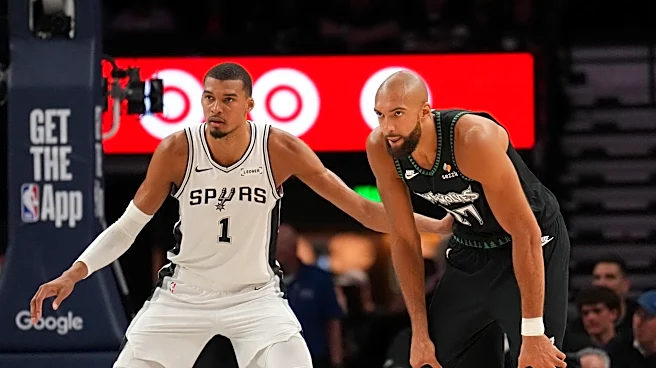
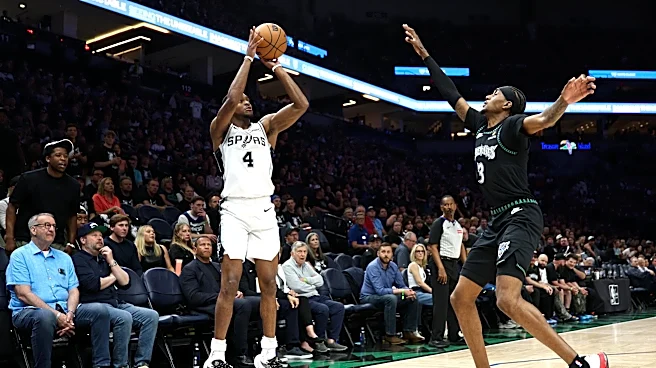
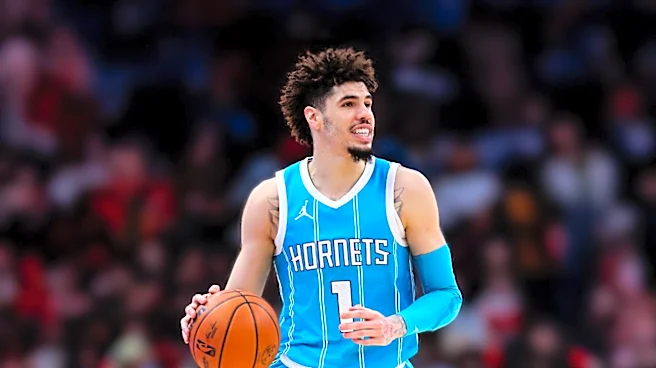
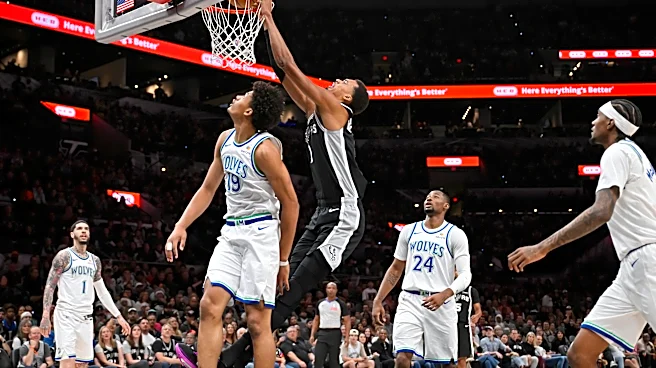
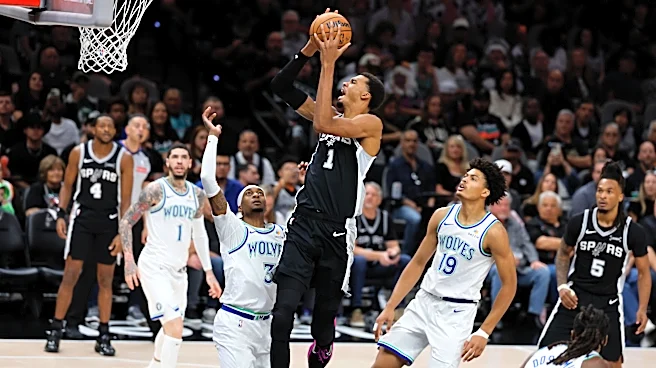
Minnesota Timberwolves head coach Chris Finch voiced concerns regarding the officiating of calls involving guard LaMelo Ball following the team's 121-111 loss to the San Antonio Spurs. Finch specifically pointed to Ball's foul trouble and the perceived
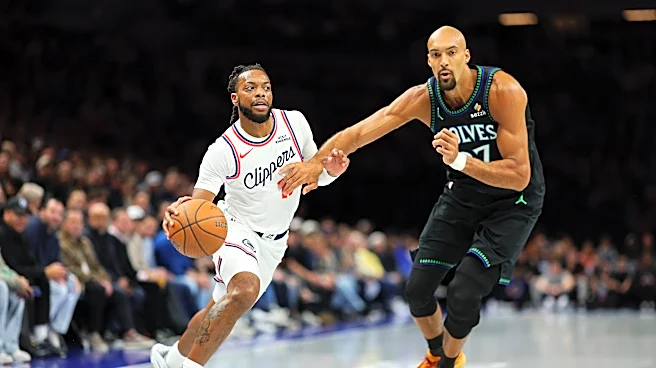
inconsistency in how physical contact was called against him compared to how opponents were allowed to defend him. He described instances where defenders were putting hands on Ball, bumping, holding, and forcing him off his intended path without whistles, while lighter contact by Ball defensively resulted in fouls. Finch's assessment included both holding his own players accountable for fourth-quarter decision-making and criticizing the officiating, suggesting that Ball was being challenged physically on offense but had limited room for contact on defense.
Why It's Important?
Coach Finch's public questioning of officiating highlights a recurring issue in professional sports regarding game consistency and fairness, which can significantly impact game outcomes and team performance. For the Timberwolves, particularly in a shorthanded situation, inconsistent calls can disrupt game flow, lead to key players like LaMelo Ball getting into foul trouble, and ultimately affect their ability to compete. This situation can also influence player morale and strategy, as players may become hesitant or frustrated with perceived unfair treatment. From a league perspective, such comments often prompt reviews of officiating practices and can contribute to ongoing discussions about how to ensure equitable application of rules across all games and players. The outcome of these officiating concerns can have a tangible impact on team standings and playoff aspirations.
What's Next?
Following Coach Finch's comments, it is possible that the NBA officiating department may review the game footage and the specific instances of contact involving LaMelo Ball. While direct changes to past game outcomes are unlikely, such public statements from head coaches can contribute to broader discussions within the league about officiating standards and consistency. For the Timberwolves, they will need to adapt their strategies to account for how Ball is being officiated, potentially adjusting his aggressiveness or the team's offensive sets to mitigate foul trouble. LaMelo Ball himself may need to refine his approach to drawing fouls or defending to navigate these officiating challenges. The team's performance in upcoming games, especially regarding Ball's foul situation, will be closely watched.
Beyond the Headlines
The debate over officiating consistency extends beyond individual games, touching upon the integrity of the sport and the perception of fairness among fans, players, and coaches. When coaches publicly criticize officiating, it often reflects deeper frustrations with how rules are interpreted and applied, which can vary from game to game or even referee to referee. This can lead to questions about competitive balance and whether certain players or teams are officiated differently. Such discussions are crucial for the evolution of sports, as they push leagues to continuously evaluate and improve their officiating processes, potentially leading to rule clarifications, enhanced training for referees, or technological aids to assist in decision-making. Ultimately, consistent and fair officiating is paramount for maintaining the credibility and excitement of professional basketball.