

What's Happening?
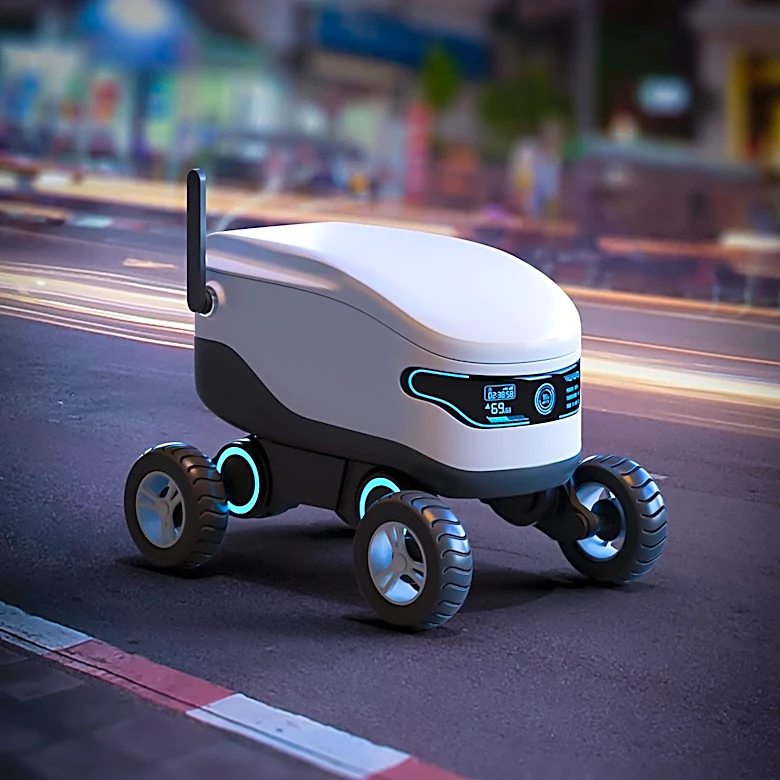
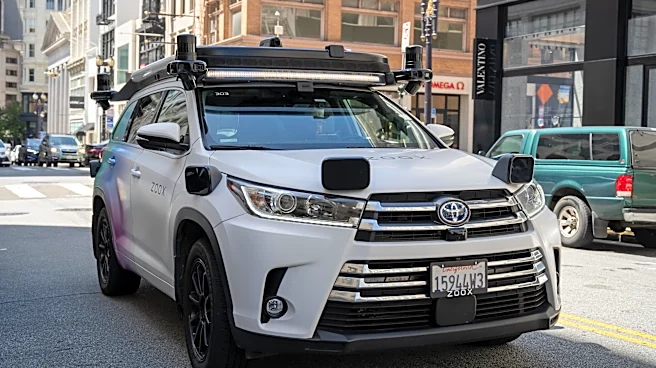
Uber Technologies is actively investing in and partnering with autonomous vehicle (AV) companies like Rivian Automotive, Lucid Group, and Nuro, aiming to integrate self-driving technology into its platform. Despite market concerns about AVs posing a threat
to its traditional ride-hailing model, Uber views this technology as a significant opportunity. The company plans to have approximately 700 fully driverless vehicles on its platform by the end of the year, with a goal of over 2,000 by the end of 2027. Uber's strategy leverages its existing network of 215 million monthly active users and its strong mobility gross bookings, which jumped 18% year-over-year to $29.5 billion in the third quarter. This approach positions Uber to become a crucial commercialization layer for AV developers and manufacturers, providing a platform to maximize vehicle utilization.
Why It's Important?
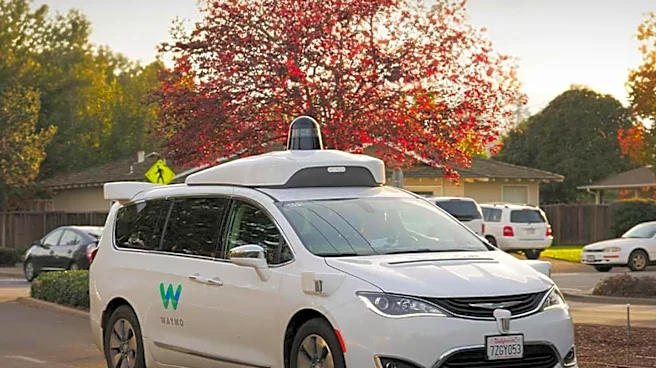
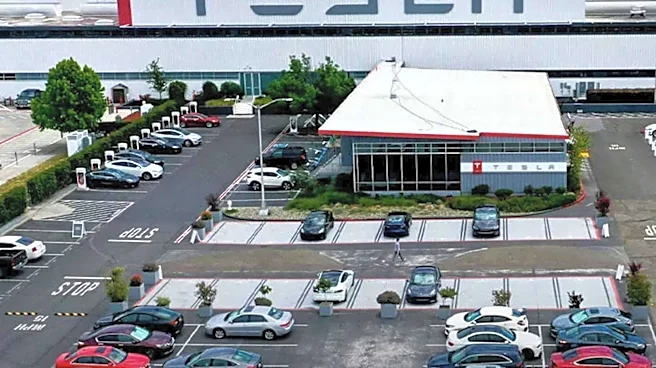
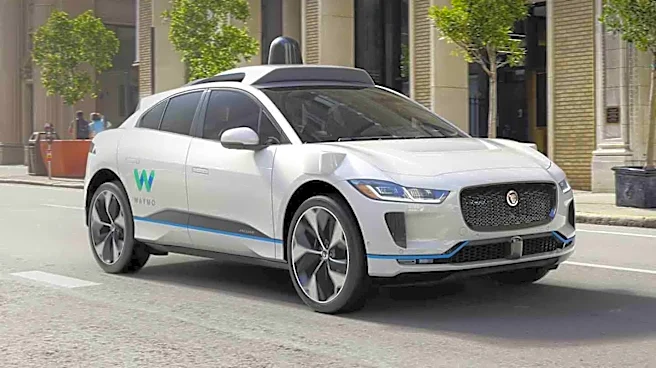
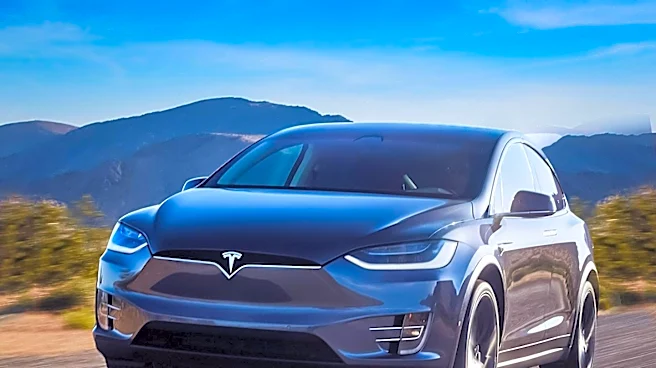
Uber's proactive engagement with the autonomous vehicle industry is critical for its long-term market position and could redefine the future of ride-hailing. By investing in AV companies and integrating their technology, Uber aims to mitigate the potential disruption from fully autonomous ride-hailing services like Waymo and Tesla's Cybercab. This strategy allows Uber to maintain its dominance in mobility by controlling demand and managing customer relationships, even as the underlying driving technology evolves. For AV developers, partnering with Uber offers a direct pathway to commercialization and access to a massive user base, which is essential for monetizing their substantial capital investments. This could accelerate the adoption of AV technology by providing a ready-made infrastructure for deployment, benefiting both technology providers and consumers through potentially lower costs and increased efficiency in transportation.
What's Next?
Uber plans to significantly scale its fleet of driverless vehicles, targeting over 2,000 by the end of 2027. This expansion will likely involve continued partnerships and investments in AV technology providers. The company anticipates that human drivers will remain essential for handling demand fluctuations, suggesting a hybrid model for the foreseeable future. As AV technology advances and regulatory environments evolve, Uber will likely continue to adapt its strategy to integrate more autonomous vehicles while maintaining its network effect. The success of these initiatives will depend on the reliability and safety of AV technology, as well as public acceptance and regulatory frameworks. Further developments in AV software and hardware from companies like Waymo and Tesla will also influence Uber's competitive landscape and strategic decisions.
Beyond the Headlines
Uber's strategy highlights a broader industry trend where established platforms are adapting to disruptive technologies rather than being displaced by them. By becoming the 'AV commercialization layer,' Uber is attempting to transform a potential threat into a new revenue stream and solidify its role as a central player in future mobility. This approach raises questions about the long-term impact on human drivers, even as Uber suggests their continued necessity. The ethical implications of widespread AV deployment, including job displacement and the safety protocols for driverless vehicles, will become increasingly prominent. Furthermore, the consolidation of AV services under major platforms like Uber could shape market competition and consumer choices, potentially leading to new regulatory challenges concerning monopolies and data privacy in the autonomous transportation sector.