




What's Happening?
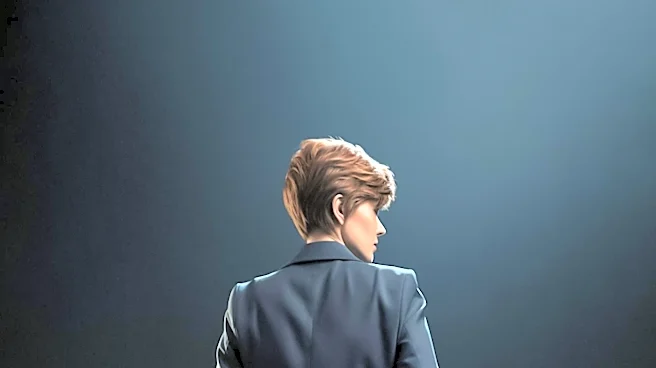
Elizabeth Buckley Harrold O'Donnell, daughter of MSNBC host Lawrence O'Donnell and former actress Kathryn Harrold, has largely remained out of the public eye. Despite her parents' prominent careers in television, politics, and acting, Elizabeth has not
pursued a similar public profile. Born in 1994, the same year her parents married, she grew up with both parents engaged in demanding and visible professions. Lawrence O'Donnell is known for his work in politics, writing, and hosting 'The Last Word with Lawrence O'Donnell' on MSNBC, while Kathryn Harrold had a successful acting career before transitioning into counseling. Elizabeth's childhood received little entertainment coverage, and details about her exact birthdate, birthplace, and schooling remain private. Unlike many children of public figures, she has not built a career around her family name, nor does she have substantial acting credits or television appearances. Her parents divorced in 2013, having generally kept Elizabeth separate from their professional identities throughout their marriage.
Why It's Important?
Elizabeth Buckley Harrold O'Donnell's choice to maintain a private life, despite her parents' public careers, highlights a growing trend among the offspring of celebrities and public figures. In an era of pervasive social media and constant public scrutiny, her ability to avoid the spotlight offers a counter-narrative to the often-intense media attention faced by celebrity children. This decision underscores the potential challenges and pressures associated with growing up in the public eye, and the deliberate efforts some individuals make to carve out personal space. Her story implicitly raises questions about privacy in the digital age and the boundaries between public and private lives, especially for those connected to well-known personalities. It also demonstrates that not all individuals with famous parents choose to leverage that connection for their own public careers, opting instead for a more conventional or anonymous existence. This can influence public perception of celebrity families, suggesting a desire for normalcy away from the constant glare of media attention.
What's Next?
Given Elizabeth Buckley Harrold O'Donnell's consistent pattern of privacy, it is expected that she will continue to keep her personal and professional life out of the public domain. There are no indications that she plans to enter the entertainment industry or political commentary, unlike her parents. Information regarding her education, career, and marital status is not publicly available, and this is likely to remain the case. Any future public appearances or disclosures would represent a significant shift from her established approach to privacy. The public's interest in her will likely continue to be driven by her parents' ongoing visibility, particularly Lawrence O'Donnell's continued presence on MSNBC. However, this curiosity is unlikely to yield new details about Elizabeth's life unless she actively chooses to share them, which she has not done to date.
Beyond the Headlines
Elizabeth Buckley Harrold O'Donnell's story subtly touches upon the broader societal implications of inherited fame and the right to privacy. In a culture increasingly obsessed with celebrity and public personas, her deliberate anonymity serves as a quiet commentary on the value of personal boundaries. It challenges the assumption that children of famous individuals are inherently destined for public life or that their lives are automatically public property. This situation also highlights the ethical considerations for media outlets when reporting on the private lives of individuals who have not sought public attention, even if they are related to public figures. Her case exemplifies the tension between public curiosity and individual autonomy, suggesting a conscious effort to define her identity independently of her parents' well-known careers. This choice could inspire other children of public figures to pursue similar paths, reinforcing the idea that personal fulfillment does not always equate to public recognition.