

What's Happening?
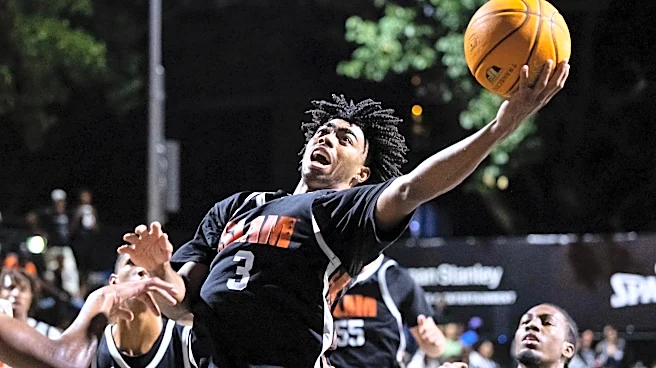
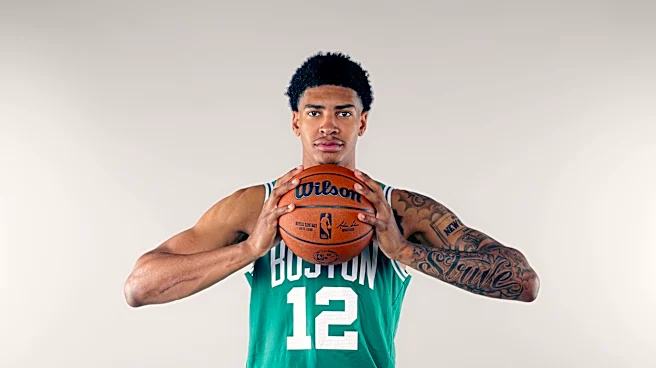
R.J. Luis Jr., a former St. John's basketball standout, has been cleared by East Baton Rouge Parish District Court judge Ronald R. Johnson to practice and potentially play for Louisiana State University (LSU) this season. This ruling comes after Luis signed
with LSU following brief contracts with two NBA teams, the Utah Jazz and Boston Celtics. The NCAA had argued against his reinstatement, citing his decision to leave college to pursue a professional career in 2025. However, Luis never played in an NBA game and did not play for the Celtics' G League affiliate due to an injury, leading his attorneys to argue that his professional resume was less extensive than many international players granted NCAA exceptions. The judge's decision grants Luis's request for a preliminary injunction against the NCAA, allowing him to join the Tigers while the legal process unfolds. This ruling was made after a five-hour hearing.
Why It's Important?
This judicial decision sets a significant precedent regarding NCAA eligibility rules, particularly for U.S. athletes who briefly pursue professional careers but do not play in official games. The ruling challenges the NCAA's stance that leaving college for professional aspirations automatically renders a player ineligible for collegiate sports, especially when compared to international players who have played professionally overseas. This could open doors for other American athletes in similar situations, potentially altering how the NCAA evaluates eligibility for those with limited professional experience. For LSU, gaining R.J. Luis Jr. could significantly bolster their basketball program, adding a talented player who was a standout in his previous collegiate tenure. The outcome of the ongoing legal process could influence future NCAA policies and interpretations of amateurism, impacting collegiate sports nationwide.
What's Next?
The immediate next step for R.J. Luis Jr. is to begin practicing with the LSU Tigers and potentially play in upcoming games, as allowed by the preliminary injunction. The legal process, however, is far from over. According to Luis's attorneys, Tony Clayton and Elliot Abrams, there will be extensive discovery to obtain, indicating a prolonged legal battle with the NCAA. The timeline for this process remains unclear. The NCAA may appeal the injunction or continue to argue for Luis's ineligibility. The outcome of this case could lead to a re-evaluation of NCAA rules concerning professional experience and amateur status, potentially prompting new guidelines for athletes who have had brief professional contracts but no official game appearances. This situation will be closely watched by other collegiate athletes, legal experts, and sports organizations.
Beyond the Headlines
The ruling in favor of R.J. Luis Jr. highlights a deeper tension between the NCAA's traditional amateurism model and the evolving landscape of professional sports, particularly basketball. The argument by Luis's attorneys, emphasizing that American players should be afforded the same opportunities as international players who have played in overseas professional leagues, points to potential inequities in NCAA eligibility criteria. This case could force the NCAA to confront and potentially reform its rules to create a more equitable system for all athletes, regardless of their origin or the nature of their brief professional engagements. It also underscores the increasing role of the judiciary in challenging sports governing bodies' decisions, potentially leading to more legal interventions in athlete eligibility disputes. The ethical implications of denying a player collegiate opportunities based on unfulfilled professional contracts, especially when similar situations are treated differently for international athletes, are at the core of this legal challenge.