






What's Happening?
Fermented foods, such as unpasteurized sauerkraut, kimchi, kefir, and traditionally made yogurt, are recognized as accessible sources of live probiotic cultures that contribute to gut health. Probiotics are live microorganisms that temporarily interact
with the gut lining, support immune cells, and compete with less beneficial microbes. However, not all fermented products contain live bacteria, as heat treatment during processing can kill these beneficial microorganisms. In contrast, prebiotics are non-digestible food compounds, primarily fibers, that pass through the small intestine intact and are fermented by gut bacteria in the colon. These prebiotics stimulate beneficial bacteria and are essential for sustaining probiotic activity. The distinction between prebiotics and probiotics is crucial: probiotics are the 'seeds' (live bacteria), and prebiotics are the 'soil' (food for these bacteria). Both are necessary for a healthy gut ecosystem, with a food-first approach being recommended for optimal gut health.
Why It's Important?
Understanding the difference between prebiotics and probiotics is vital for individuals seeking to improve their gut health in the U.S. The market for gut health products, including supplements and specialized foods, is substantial, and consumer confusion can lead to ineffective or costly choices. This clarity helps consumers make informed decisions about their diet and supplement intake, ensuring they are addressing both the introduction of beneficial bacteria and the sustenance of existing ones. For the food industry, this distinction highlights the opportunity to develop products that offer both prebiotics and probiotics, or to clearly label and educate consumers on the specific benefits of each. Promoting a 'food-first' approach encourages healthier eating habits, emphasizing whole foods over reliance on supplements, which can have broader positive impacts on public health and reduce healthcare costs associated with digestive issues.
What's Next?
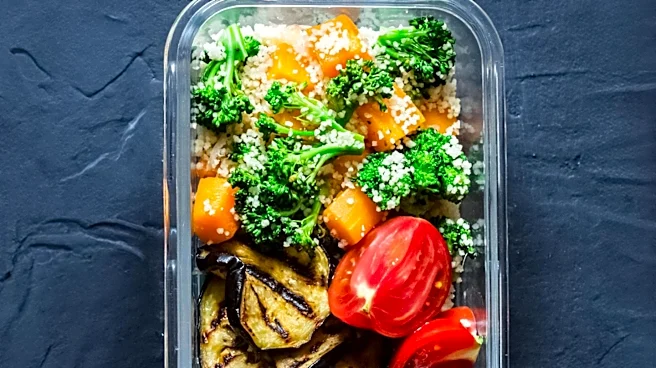
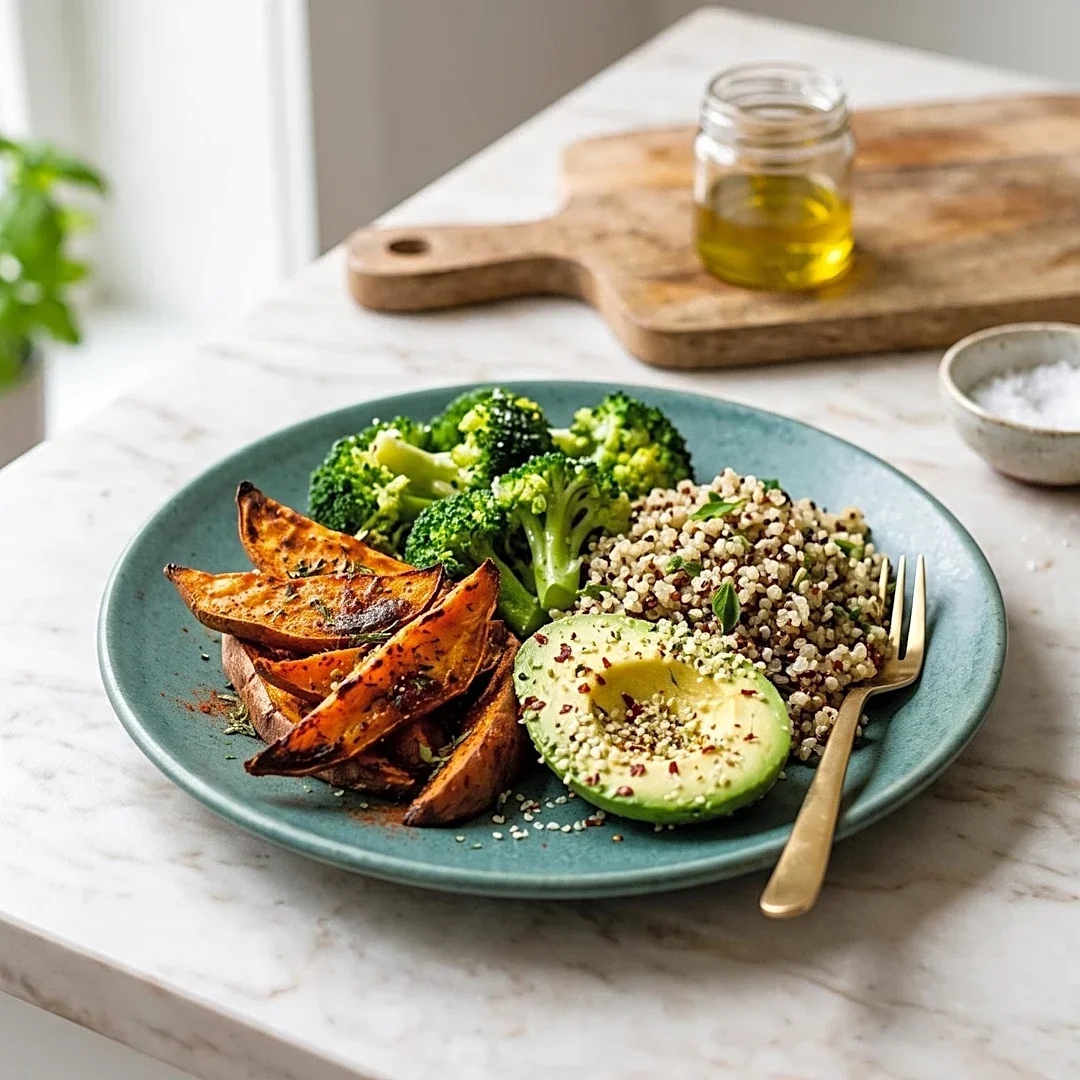
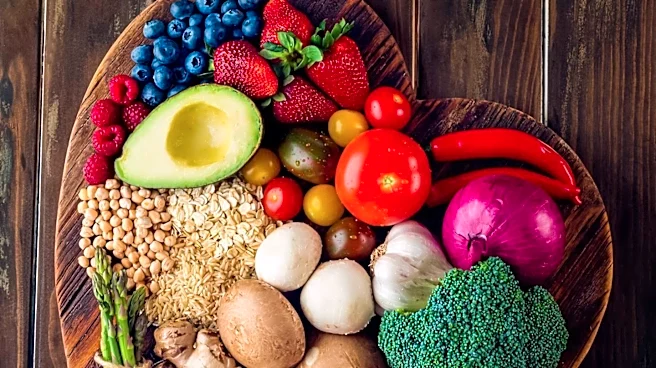
Consumers are advised to incorporate both prebiotic and probiotic-rich foods into their daily diets. For probiotics, this means choosing traditionally fermented, unpasteurized foods. For prebiotics, a variety of plant foods like garlic, onions, leeks, asparagus, oats, legumes, bananas, and flaxseeds are recommended. When introducing these foods, it's important to start with small amounts and gradually increase intake to allow the gut microbiome to adjust, minimizing potential side effects like gas and bloating. The article suggests that a consistent, food-first approach is more effective than inconsistent supplement use. Companies like Gutsy Ferments are already developing product ranges that combine both aspects, offering fermented foods for probiotics and prebiotic snacks. This trend is likely to continue, with more food manufacturers focusing on holistic gut health solutions that integrate both components.
Beyond the Headlines
The growing emphasis on gut health and the distinction between prebiotics and probiotics reflects a deeper scientific understanding of the human microbiome and its profound impact on overall well-being. This knowledge is shifting dietary recommendations from simply avoiding unhealthy foods to actively consuming foods that support a diverse and thriving gut ecosystem. The concept of the gut as an 'ecosystem' rather than just a digestive tract highlights the interconnectedness of diet, immunity, and even mental health. This paradigm shift has implications for personalized nutrition, where dietary advice could be tailored based on an individual's unique microbiome. It also raises questions about the long-term effects of modern diets and lifestyles on gut diversity and the potential for food to serve as a primary tool for preventive health, moving beyond a purely medicinal approach to wellness.