





What's Happening?
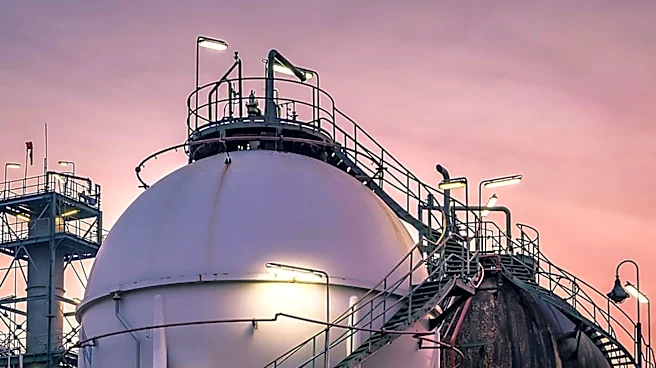
CHS, a leading farmer-owned cooperative, and OCP North America, a subsidiary of OCP Group, have announced a proposed joint venture to construct and operate a new phosphate fertilizer production facility. This plant will be located at the Cornerstone Energy
Park in Waggaman, Louisiana. The initiative aims to significantly strengthen domestic fertilizer production in the United States. The new facility is projected to produce over 1 million metric tonnes of phosphate-based fertilizer annually, marking the first such plant to be built in the U.S. since 1984. This development comes as the U.S. currently imports approximately 40% of its phosphate-based fertilizer needs due to declining domestic reserves. The project is expected to reduce U.S. dependency on imported phosphate-based fertilizer by more than 48%. Jay Debertin, president and CEO of CHS, emphasized that this investment will bring fertilizer production closer to American farmers and the cooperative network, creating more value for their owners. The OCP Group will supply phosphoric acid to the facility, leveraging its global phosphate expertise. Finished products will be distributed through both OCP North America and CHS's extensive network.
Why It's Important?
This joint venture is crucial for American agriculture as it addresses a significant vulnerability in the U.S. food supply chain: reliance on imported phosphate fertilizers. By establishing a new domestic production facility, the project aims to enhance U.S. food security and provide a more reliable supply of essential crop nutrients for American farmers. The reduction in import dependency by nearly half will mitigate risks associated with global supply chain disruptions, geopolitical tensions, and fluctuating international prices. This move aligns with the U.S. government's priority to expand domestic fertilizer production capacity, potentially bolstering the agricultural sector's resilience. Furthermore, the project is expected to generate substantial economic benefits, including approximately 60 permanent, high-impact jobs in Jefferson Parish and 500 construction jobs, with a total job impact estimated at 924 direct and services-support positions. This will bring positive economic and community impact to Louisiana, strengthening local economies and providing skilled employment opportunities.
What's Next?
The proposed joint venture is currently subject to project-related and funding approvals. An application has been submitted for potential funding through the U.S. Department of Agriculture’s Fertilizer Investment & Expansion for Long-term Domestic Supply (FIELDS) program, indicating government support for such initiatives. Once approvals are secured, construction of the facility is anticipated to take up to 24 months. During this period, the companies will focus on developing the infrastructure and operational capabilities required for the plant. Following construction, the facility will begin producing over 1 million metric tonnes of phosphate-based fertilizer annually, which will then be distributed through CHS and OCP North America's networks to farmers across the United States. Additionally, CHS and OCP have committed to charitable giving in the greater New Orleans area, demonstrating their investment in the local communities where they operate.
Beyond the Headlines
This initiative represents a broader strategic shift towards re-shoring critical agricultural inputs and strengthening domestic supply chains in the United States. The long-term implications extend beyond immediate economic benefits, touching upon national security and environmental sustainability. Reducing reliance on foreign fertilizer sources can insulate American agriculture from global market volatility and geopolitical pressures, ensuring a more stable and predictable input cost for farmers. Environmentally, domestic production could potentially allow for greater oversight and adherence to U.S. environmental regulations compared to imported products, though the specific environmental impact of the new plant will need to be carefully managed. This project also highlights the increasing collaboration between large agricultural cooperatives and international partners to address complex supply chain challenges, potentially setting a precedent for future investments in other critical agricultural sectors. The focus on domestic production could also spur innovation in fertilizer manufacturing processes within the U.S.