

What's Happening?
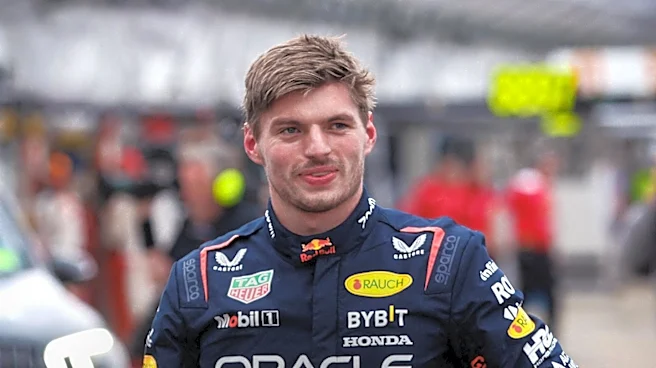
Max Verstappen will not participate in the first free practice (FP1) session of the Mexico City Grand Prix. This decision is in line with Formula 1 regulations, which mandate that each driver must hand over their car to a rookie driver for two FP1 sessions
during a season. Verstappen previously sat out the FP1 session at the Italian Grand Prix in September. Red Bull's Ayumu Iwasa, a Japanese driver who has already participated in three FP1 sessions this year (for Red Bull in Barcelona and Monza, and for Racing Bulls in Austria), will drive Verstappen's RB22 during this session. The Autódromo Hermanos Rodríguez in Mexico City is known for being a circuit where many rookie drivers get an opportunity to participate in FP1 sessions.
Why It's Important?
This practice of allocating FP1 sessions to rookie drivers is a crucial component of Formula 1's talent development pipeline. It provides aspiring drivers with invaluable experience in a competitive F1 car and allows teams to assess their potential under race weekend conditions. For Red Bull, it's an opportunity to evaluate Ayumu Iwasa's capabilities and gather data on his performance, which could inform future driver decisions within their extensive driver program. While Verstappen's absence from one session might seem minor, it means he has less track time to fine-tune his car setup for the specific conditions of the Mexico City circuit. However, given his experience, this is unlikely to significantly impact his overall race performance. The regulation ensures that new talent gets exposure, contributing to the long-term health and competitiveness of the sport.
What's Next?
Following the Mexico City Grand Prix FP1 session, Max Verstappen will resume his driving duties for the remainder of the weekend, including subsequent practice sessions, qualifying, and the main race. Ayumu Iwasa's performance in this FP1 session will be analyzed by Red Bull, potentially influencing his future opportunities within the team or its sister teams. This will be Verstappen's second and final mandated FP1 session to be given to a rookie for the season, meaning he will participate in all remaining FP1 sessions for the rest of the 2026 season. The focus for Verstappen will quickly shift to optimizing his car for the unique challenges of the Mexico City track, known for its high altitude and demanding layout.
Beyond the Headlines
The mandatory inclusion of rookie drivers in FP1 sessions highlights a broader commitment within Formula 1 to nurture new talent and ensure a continuous supply of skilled drivers. This policy not only benefits the rookies by providing them with critical track time but also allows teams to scout and develop future stars. It also adds an interesting dynamic to race weekends, as teams balance their primary drivers' preparation with the development needs of their junior talent. The success of drivers like Verstappen, who came through similar development programs, underscores the importance of these opportunities. This approach helps maintain the competitive integrity of the sport by ensuring a robust talent pool, preventing stagnation, and fostering innovation in driver development strategies across all teams.