



What's Happening?
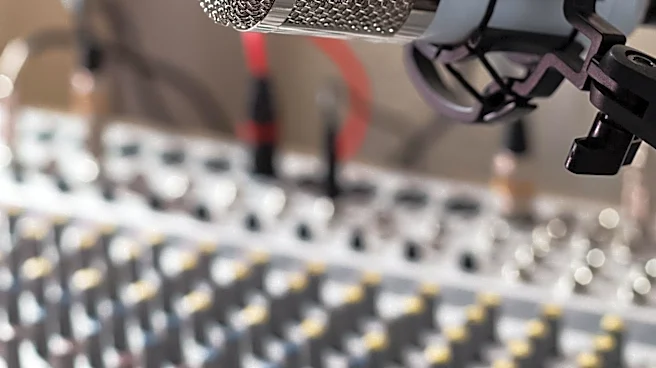
KPBS San Diego and San Diego State University’s (SDSU) KCR College Radio have launched a new collaborative podcast titled 'Basement Beats' after more than two years of planning. The 30-minute episodes, airing Sundays at 10 p.m. on KPBS-FM 89.5 FM through
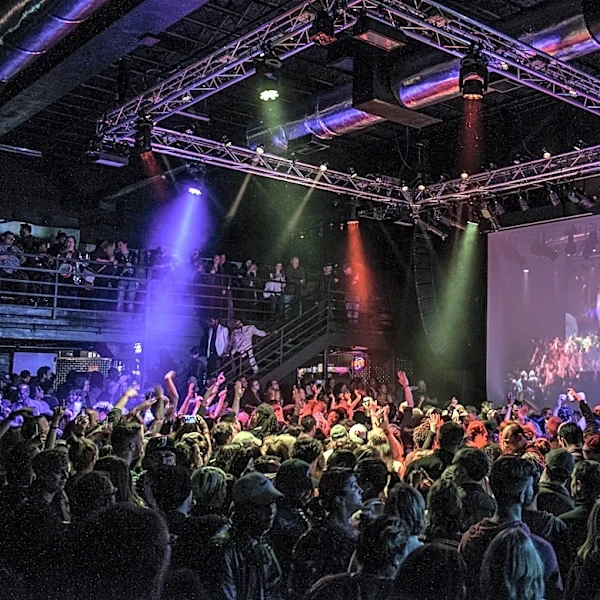
December 6, feature live performances and interviews with local musicians. Jesse Marx, Student Media Manager in the School of Journalism and Media Studies, emphasized the podcast's goal to spotlight talented artists in San Diego and Tijuana who often receive less attention compared to those in Los Angeles. KCR, established in 1969, has a history of student-run radio shows, zines, and house shows, all celebrating San Diego's diverse music scene. 'Basement Beats' continues this tradition by featuring interviews and performances from hand-selected bands, all recorded and produced by SDSU students. The key difference now is that the podcast is broadcast over the air, significantly expanding its reach. Keyla Gamiño, KCR’s 'Basement Beats' director, noted that the project has deepened her passion for media production and boosted her confidence in pursuing similar endeavors post-college. The podcast has garnered positive feedback and has expanded KPBS's audience, attracting younger listeners and alumni seeking a nostalgic connection to their college radio days.
Why It's Important?
This collaboration between KPBS San Diego and SDSU's KCR College Radio is significant for several reasons. Firstly, it provides a vital platform for local musicians in the San Diego and Tijuana regions, offering them exposure they might not otherwise receive. This initiative supports the local arts community and fosters cultural enrichment. Secondly, it offers invaluable real-world experience for SDSU students in media production, from researching bands and conducting interviews to audio engineering and broadcasting. This hands-on learning environment, as described by Marx, allows students to experiment and even make mistakes without the typical pressures of commercial media, preparing them for future careers. Thirdly, the podcast helps bridge generational gaps in radio listenership by attracting both younger audiences interested in new music and alumni seeking nostalgic content. This expanded reach strengthens community engagement with public radio and college media, demonstrating the enduring relevance of audio storytelling in a diverse media landscape. The project also highlights the potential for educational institutions and public broadcasting to collaborate effectively, leveraging resources to create impactful content.
What's Next?
While 'Basement Beats' has not yet been renewed for a second season, Jesse Marx and Keyla Gamiño are encouraging students and the community to support the series by attending KCR events, volunteering for the club, and listening to the podcast. Continued support could influence the decision for future seasons, ensuring the platform for local artists and student producers remains available. The success of this initial collaboration may also inspire similar partnerships between public broadcasting stations and university media programs across the U.S., potentially leading to more localized content and expanded educational opportunities for students. The project's ability to attract a diverse audience suggests a model for engaging different demographics through targeted, community-focused programming. Future developments could include exploring digital-first strategies to further extend the podcast's reach beyond traditional radio broadcasts, potentially incorporating more interactive elements or visual content to appeal to a broader online audience.
Beyond the Headlines
The 'Basement Beats' podcast exemplifies a broader trend of media convergence, where traditional broadcasting outlets like KPBS are partnering with educational institutions and digital platforms to innovate content delivery and audience engagement. This initiative not only serves as a talent incubator for emerging musicians and media professionals but also reinforces the role of local media in fostering community identity and cultural pride. In an era dominated by national and international media, projects like 'Basement Beats' underscore the importance of hyper-local content that resonates deeply with specific communities. The emphasis on a 'sound-rich landscape' for audio-only listeners also highlights a renewed appreciation for the immersive qualities of audio storytelling, challenging the visual dominance of other media forms. This approach could influence how future media projects are conceived, prioritizing sensory experiences and authentic local narratives over mass-produced content, thereby enriching the media ecosystem with diverse voices and perspectives.