







What's Happening?
Smithfield Foods Inc. representatives recently appeared before the Monmouth City Council to address a series of incidents at its Monmouth, Illinois, meat processing plant. These incidents include the tragic death of an employee, Patou Mpinda, and ongoing
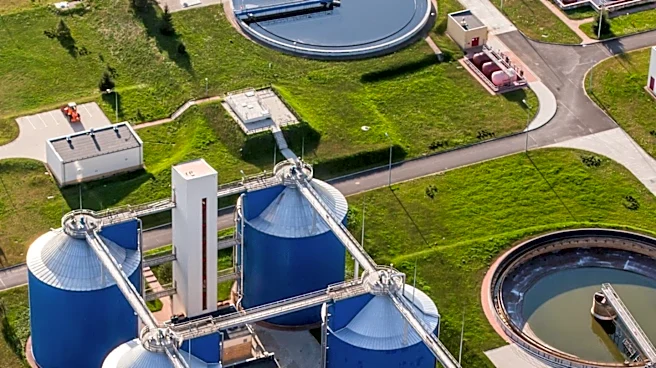
odor complaints stemming from technical problems with the plant's wastewater treatment system. Jim Monroe, vice president of corporate affairs for Smithfield Foods, acknowledged the impact on community confidence and stated the company is taking these concerns seriously. Smithfield Foods is cooperating with OSHA's investigation into Mpinda's death and has offered support to the employee's family, including childcare expenses and assistance with fundraising efforts by co-workers. Regarding the odor issues, Monroe explained that technical problems with the wastewater treatment system led to a temporary suspension of rendering operations and a backlog of materials. These technical issues have reportedly been resolved, and the area has been cleaned, with expectations for consistent improvement.
Why It's Important?
This situation is important as it highlights the critical balance between industrial operations, environmental responsibility, and community relations. For Smithfield Foods, a leading American food company, rebuilding trust in the Monmouth community is crucial for its operational stability and public image. The employee fatality underscores the inherent safety risks in industrial settings and the importance of robust safety protocols and investigations by bodies like OSHA. The odor complaints and wastewater treatment issues point to the environmental impact of large-scale food processing and the necessity for companies to invest in and maintain effective pollution control systems. Failure to address these concerns can lead to regulatory scrutiny, community backlash, and potential operational disruptions, affecting both the company's bottom line and its social license to operate. The company's response, including financial and emotional support for the affected family and significant investments in infrastructure, will be closely watched by stakeholders.
What's Next?
Smithfield Foods' engineering team is actively working with 30 contractors to implement improvements and corrective actions across the Monmouth plant to prevent future issues. The company has announced significant investments specifically aimed at upgrading its wastewater system. These investments include new equipment to remove impurities more effectively and the replacement and addition of pumps to enhance system reliability and provide backup capacity. The goal is to strengthen environmental performance and ensure the wastewater treatment system operates as intended. The OSHA investigation into the employee fatality is ongoing, and Smithfield Foods continues to cooperate, refraining from speculation on the outcome. The community will likely monitor the effectiveness of the wastewater system upgrades and the company's continued commitment to safety and environmental stewardship.
Beyond the Headlines
Beyond the immediate concerns, this situation touches upon broader themes of corporate accountability and the social contract between large corporations and the communities in which they operate. The incidents at the Monmouth plant could prompt increased scrutiny from environmental agencies and labor organizations, potentially leading to stricter regulations or enforcement actions across the food processing industry. The company's efforts to support the deceased employee's family and address community concerns about odors reflect a growing expectation for corporations to demonstrate social responsibility beyond mere compliance. This case may serve as a precedent for how other industrial facilities handle similar challenges, emphasizing the long-term value of proactive community engagement, transparent communication, and continuous investment in safety and environmental infrastructure to maintain public trust and operational viability.