




What's Happening?
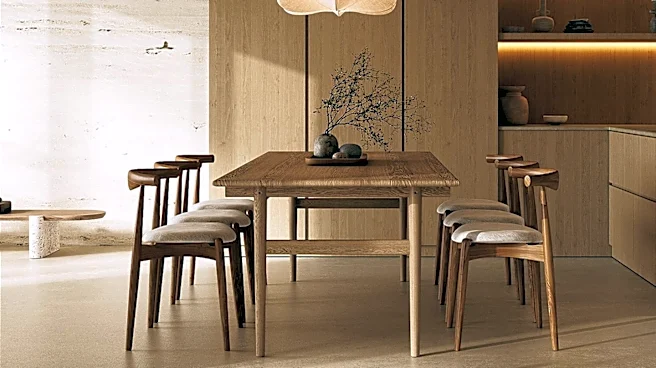
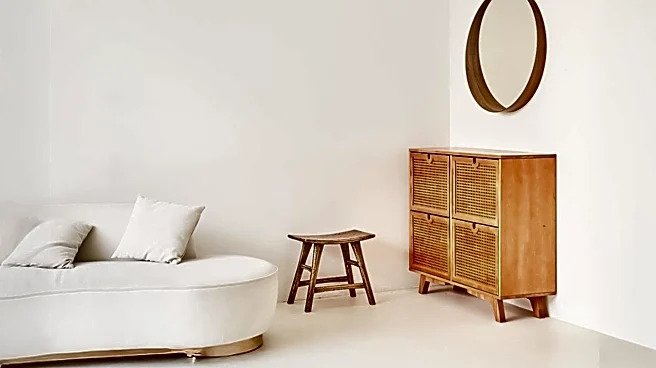
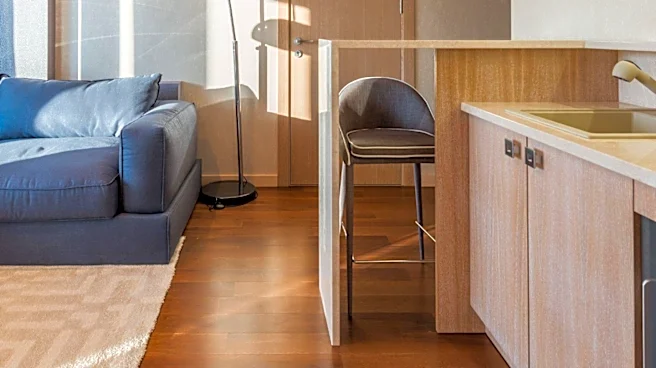
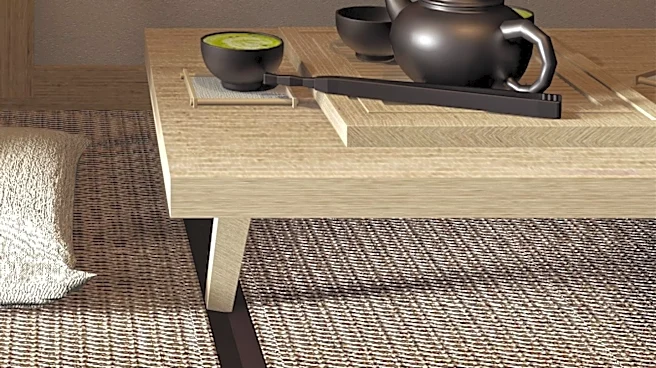
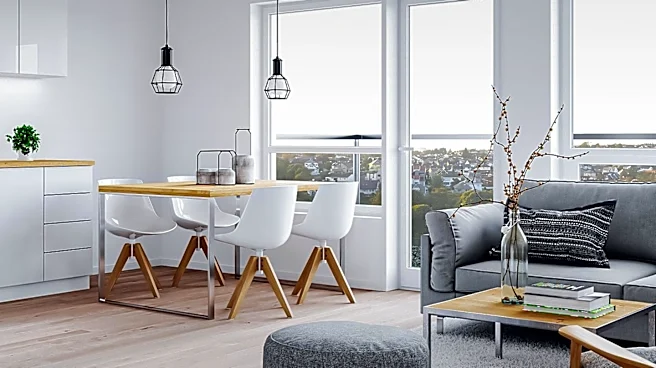
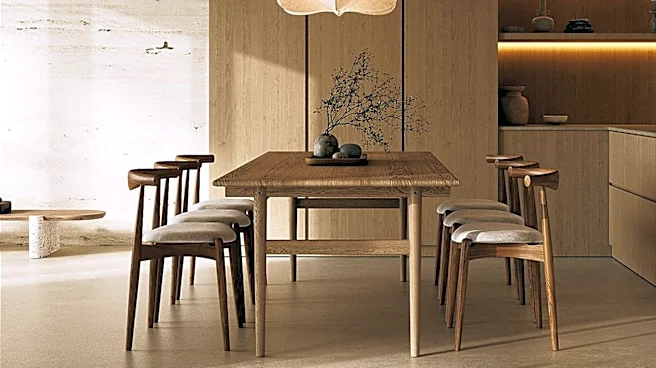
Japandi style is an emerging interior design trend that fuses Japanese minimalism with Scandinavian warmth. This aesthetic emphasizes clean lines, light wood, and a focus on comfort and everyday functionality. It is characterized by low-profile beds,
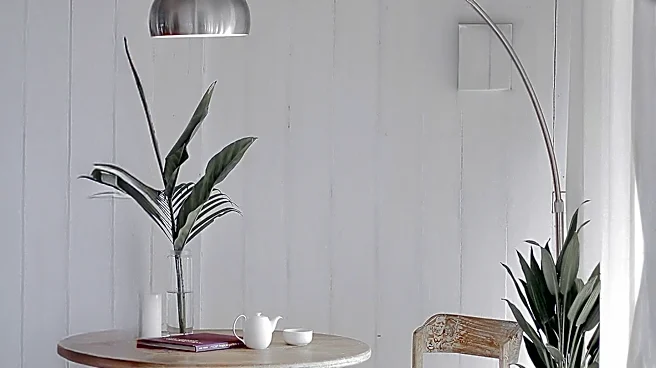
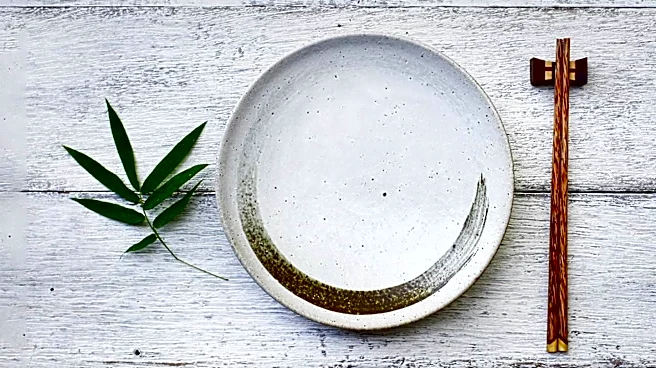
muted natural color palettes, and the prominent use of real wood. The style aims to create spaces that feel quiet and minimal without being cold or empty, promoting a sense of calm and clarity. It incorporates elements like soft, layered textiles, warm and low lighting, and a deliberate use of empty space as part of the design. The Japandi approach also values handmade items with slight imperfections, reflecting the Japanese concept of wabi-sabi, which finds beauty in natural irregularity and transience.
Why It's Important?
The rise of Japandi style reflects a broader societal shift towards mindfulness, simplicity, and well-being in personal environments. In a fast-paced world, this design trend offers a sanctuary, promoting mental calm and reducing visual clutter, which can positively impact stress levels and overall quality of life. For the U.S. interior design and furniture industries, this trend signifies a growing market for minimalist, functional, and sustainably-minded products. Businesses that adapt to this aesthetic, offering furniture with clean lines, natural materials, and muted color schemes, stand to gain. Conversely, those heavily invested in ornate, maximalist, or brightly colored designs may need to re-evaluate their offerings to remain competitive. The emphasis on natural materials also aligns with increasing consumer demand for eco-friendly and durable home goods.
What's Next?
As Japandi style gains traction, consumers can expect to see more furniture and decor options reflecting this aesthetic in retail stores and online marketplaces. Interior designers will likely incorporate Japandi principles into their projects, offering clients serene and functional living spaces. Manufacturers may increase production of low-profile furniture, natural wood pieces, and textiles in muted tones. There could also be a greater emphasis on integrating elements of wabi-sabi, such as handmade ceramics and intentionally imperfect finishes, into mass-produced items. Educational content and workshops on how to achieve the Japandi look on a budget, including tips on decluttering and selecting key pieces, are also likely to become more prevalent.
Beyond the Headlines
The popularity of Japandi style extends beyond mere aesthetics; it represents a cultural convergence and a philosophical approach to living. By blending Japanese principles of harmony and imperfection with Scandinavian values of hygge (coziness) and practicality, Japandi encourages a more intentional and less consumerist lifestyle. It challenges the notion that more possessions equate to more happiness, instead advocating for quality over quantity and a deep appreciation for natural beauty and craftsmanship. This trend could foster a greater appreciation for cross-cultural design influences and encourage consumers to invest in timeless, durable pieces rather than fleeting trends, potentially leading to a more sustainable consumption model within the home goods sector.