








What's Happening?
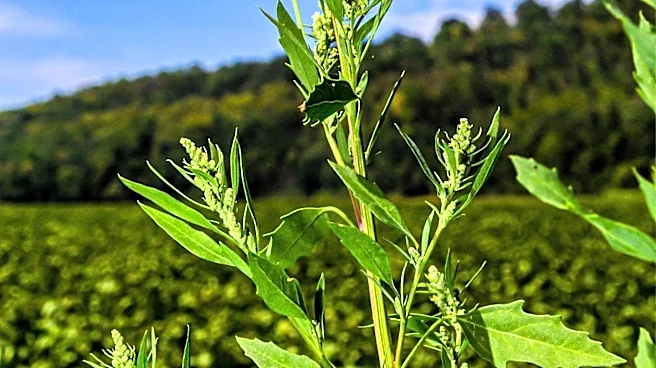
A recent federal budget law has redefined hemp, setting a new maximum allowable amount of THC, which could significantly impact Vermont's hemp industry. The new definition aims to close regulatory loopholes for intoxicating products but threatens the
business models of many Vermont hemp vendors. These businesses, which range from small shops to large-scale operations, rely on products containing CBD and some THC. Without federal intervention, these vendors may lose the ability to sell across state lines by November, affecting their revenue and business viability.
Why It's Important?
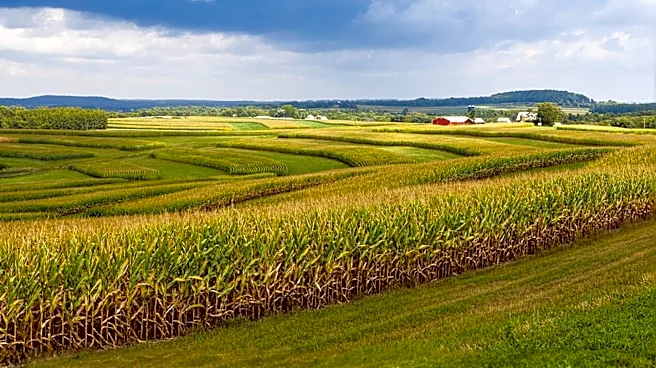
The new federal definition of hemp could have far-reaching implications for the hemp industry, particularly in states like Vermont where hemp production is a significant economic activity. The restriction on THC levels may force many businesses to alter their products or face closure, impacting local economies and employment. This situation highlights the tension between federal regulations and state-level industry practices, emphasizing the need for clear and supportive policies that balance consumer safety with industry sustainability.
What's Next?
Vermont's Cannabis Control Board is exploring options to create a state regulatory system that aligns with federal standards while supporting local businesses. The board is also advocating for federal lawmakers to consider the unique needs of the hemp industry. Meanwhile, vendors are preparing for potential changes by adjusting their business models and exploring new product lines. The outcome of these efforts will determine the future landscape of the hemp industry in Vermont and potentially influence national policy discussions.