



What's Happening?
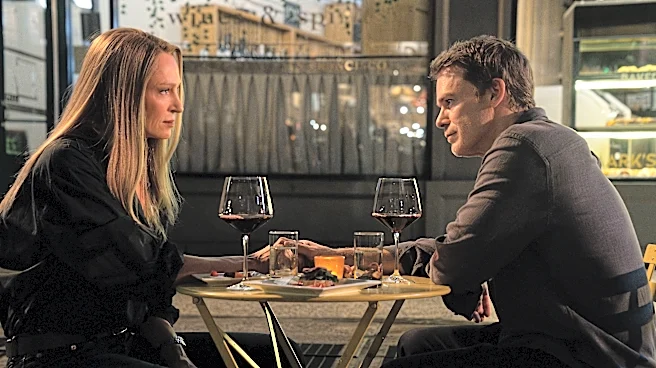
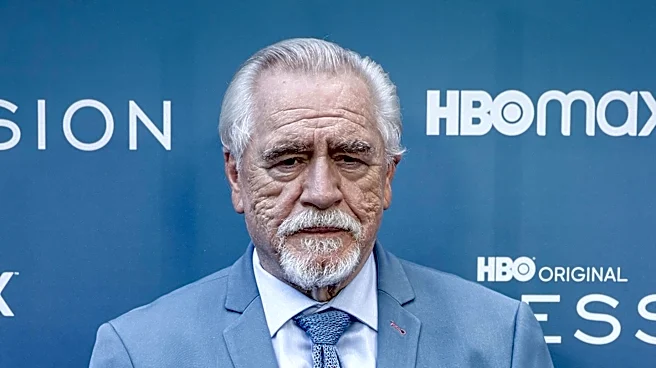
Actor Brian Cox has described his role as Don Framt, the 'New York Ripper,' in 'Dexter: Resurrection' as one of his most challenging and unsettling experiences. In the series, Framt is an elderly, wheelchair-bound serial killer who meticulously avoided
leaving DNA evidence at his crime scenes, which has prevented law enforcement from securing a conviction despite their strong suspicions. Cox revealed that Framt's craftiness in evading DNA detection is a key reason he remains free, even as he taunts victims' families. The character, who can no longer physically commit murders, derives satisfaction from the suffering he caused and the police's inability to prosecute him. Cox found the character to be utterly loathsome, stating that playing Framt was a 'weirdest experience' that required him to tap into a dark side he didn't know he possessed. The show has not confirmed whether the 'New York Ripper' is based on a real serial killer, though some online speculation has linked the character to Rex Heuermann, the Gilgo Beach Killer. However, neither the creators nor the cast have publicly acknowledged this connection. The name 'New York Ripper' was also used in a 1982 horror film, but there is no indication of inspiration from that source.
Why It's Important?
The portrayal of complex and disturbing characters like the 'New York Ripper' in popular television series such as 'Dexter: Resurrection' highlights the ongoing fascination with true crime narratives and the psychological depths of serial killers. Brian Cox's candid remarks about the emotional toll of playing such a role underscore the challenges actors face in embodying characters with no redeeming qualities, potentially sparking discussions about the ethics of portraying extreme evil and its impact on performers. The show's deliberate ambiguity regarding whether the character is based on a real person also taps into public interest in unsolved cases and the speculation that often surrounds them. This can influence audience perception of real-life criminal investigations, particularly when fictional elements are intertwined with public discourse about actual events. The meticulous nature of the fictional killer's methods, specifically his avoidance of DNA evidence, also reflects contemporary awareness of forensic science in criminal investigations, adding a layer of realism that resonates with viewers familiar with true crime stories.
What's Next?
As 'Dexter: Resurrection' continues, the narrative will likely explore the ongoing cat-and-mouse game between law enforcement, Dexter, and Don Framt. The police's struggle to gather definitive evidence against Framt, despite their certainty of his guilt, will remain a central plot point, potentially leading to new investigative tactics or a more direct confrontation orchestrated by Dexter. Brian Cox's performance and his personal reflections on the role may also generate further discussion among viewers and critics about the psychological impact of acting and the portrayal of villainy in media. If the show continues to gain traction, there might be increased public speculation or debate regarding the character's potential real-life inspirations, even without official confirmation from the creators. The series' approach to forensic evidence and criminal procedure could also influence how audiences perceive the complexities of real-world investigations, potentially sparking interest in the limitations and advancements of forensic science.
Beyond the Headlines
The character of Don Framt in 'Dexter: Resurrection' and Brian Cox's experience playing him delve into deeper ethical and psychological dimensions. The series explores the concept of justice when legal systems fail to convict a known perpetrator, raising questions about vigilantism and the moral boundaries of seeking retribution outside the law. Cox's struggle with the character, describing him as 'pointless' and 'loathsome,' highlights the potential for art to confront and even disturb its creators, pushing actors to explore uncomfortable aspects of the human psyche. This can lead to broader conversations about the responsibility of artists when depicting extreme evil and the psychological toll such portrayals can take. Furthermore, the show's decision to leave the 'New York Ripper's' real-life inspiration ambiguous, while allowing for public speculation, touches on the cultural phenomenon of true crime and the blurred lines between entertainment and real-world tragedy. This dynamic can influence public perception of actual criminal cases and the ethical considerations of fictionalizing such events.