






What's Happening?
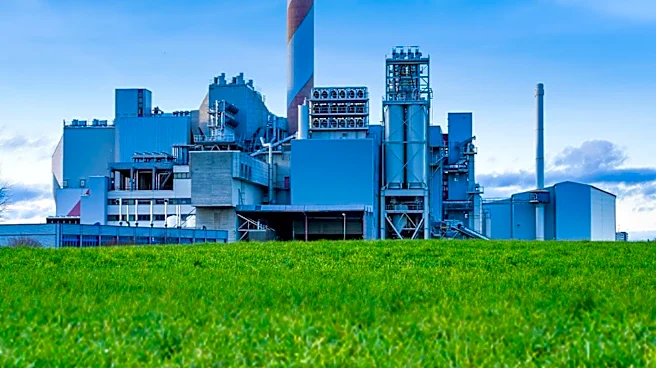
Gillette, Wyoming, is slated to become the site for the second coal-to-products processing plant as part of a $10 billion network being developed by Frontieras North America. The company has signed a memorandum of understanding with Western Fuels-Wyoming
Inc. to explore building the facility near the Dry Fork Mine. This initiative aims to transform coal into various products rather than burning it for energy. The process, which Frontieras describes as a novel fractionation technology with nine patents across five continents, will unlock coal's 'intrinsic value' by creating four product streams from approximately 2.7 million tons of Powder River Basin coal annually. These products include commercial liquids like naphtha, kerosene, and low-sulfur diesel, as well as useful gases such as hydrogen and methane, and chemicals ranging from fertilizer to sulfuric acid. Even the leftover coal, branded as FasCarbon, is designed to burn as cleanly as natural gas. The first plant in this network is currently under construction in West Virginia.
Why It's Important?
This development is significant for the U.S. coal industry, particularly in Wyoming, the nation's leading coal-producing state. It offers a potential pathway for coal to regain market share and secure a 'real, lasting future' beyond traditional combustion, as stated by Western Fuels-Wyoming General Manager Chris Fare. The project could create approximately 200 jobs in Gillette and leverage existing infrastructure at the Dry Fork Mine, making it a more cost-effective 'brownfield' site compared to the 'greenfield' development in West Virginia. This innovative approach to coal utilization could diversify the economic output of coal-rich regions, moving beyond energy production to create higher-value products. It also aligns with efforts to reduce emissions by not burning coal directly, potentially offering a more environmentally conscious use for the resource. The initiative could also reduce the country's reliance on exporting raw commodities by processing them domestically, thereby capturing more economic value within the state.
What's Next?
The immediate next step involves feasibility studies to assess the economic viability of the Gillette plant. Frontieras plans to begin feedstock studies in the first quarter of next year. The timeline for construction will depend on the outcomes of these studies and ongoing negotiations between Frontieras and Western Fuels. If the studies are favorable, the Gillette plant is expected to be similar in size to the West Virginia facility, processing 7,500 tons of coal per day. The company is also securing long-term off-take contracts for its products, with some already in place and others under negotiation with major energy and oil-producing companies. Local training pipelines, such as those at Gillette Community College for MSHA miners, are expected to support the workforce needs of the new facility, with potential for specialty training programs to be developed.
Beyond the Headlines
This project represents a fundamental shift in the perception and utilization of coal, moving it from primarily a fuel source to a raw material for advanced manufacturing. The patented fractionation process developed by Frontieras challenges conventional methods of coal processing, potentially mitigating some of the environmental concerns associated with coal combustion. This could lead to a broader re-evaluation of coal's role in the U.S. economy and energy landscape, especially in states heavily reliant on coal mining. The emphasis on creating diverse product streams, including chemicals and commercial liquids, could foster new industries and supply chains, reducing the vulnerability of coal-dependent communities to fluctuations in the energy market. Furthermore, the project highlights the potential for technological innovation to address economic and environmental challenges simultaneously, offering a model for resource-rich regions seeking sustainable development.