





What's Happening?
A recent analysis of U.S. data reveals that fossil fuel prices are a significant and recurring source of inflationary pressure and economic instability. Economists, central banks, and governments are urged to recognize these price shocks as more than
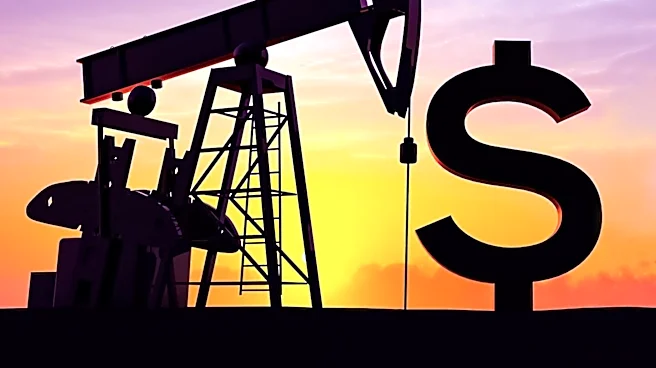
temporary energy-related events. The study indicates a strong link between fossil energy prices and inflation, with a ten percent rise in WTI crude oil price contributing 0.22 percentage points to headline inflation. The oil price alone accounts for 77 percent of the movement in the entire energy component, which in turn dominates the headline inflation rate, explaining up to 93 percent of its fluctuations. This highlights that central banks often overlook a crucial factor influencing the cost of living by focusing primarily on core inflation.
Why It's Important?
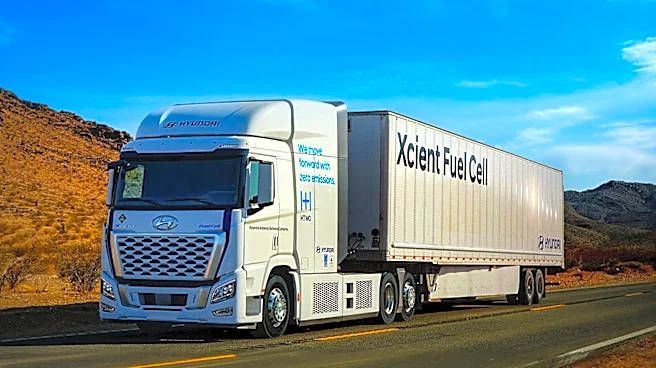
The findings underscore a critical vulnerability in the U.S. economy: its heavy reliance on internationally traded fossil fuels. This dependence makes price stability susceptible to geopolitical crises and other disruptions beyond monetary policy control. For U.S. industries and consumers, this means recurring inflationary spikes, increasing the cost of living and doing business. Reducing dependence on oil and gas through decarbonization, including the adoption of renewable energy and electrification, is presented not only as a climate imperative but also as a direct strategy to mitigate inflation and strengthen long-term price stability. This shift could protect the economy from volatile energy markets and foster more predictable economic conditions.
What's Next?
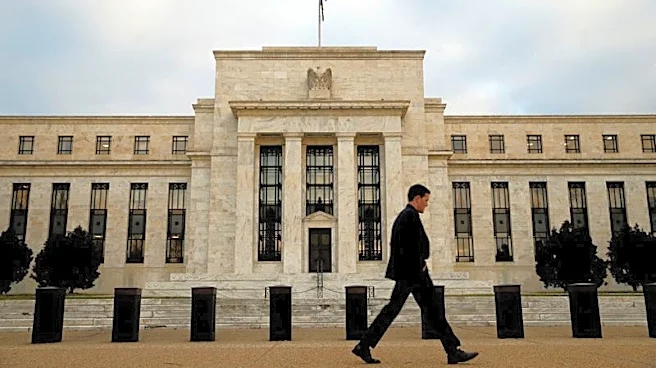
The analysis suggests a need for a policy shift where economists, central banks, and governments explicitly acknowledge fossil fuel price shocks as a primary driver of inflation. This recognition could lead to policy decisions prioritizing energy independence and accelerated decarbonization efforts. Future actions might include increased investment in renewable energy infrastructure, incentives for electrification across various sectors, and strategies to reduce overall energy consumption. Such measures would aim to insulate the U.S. economy from global oil and gas price volatility, potentially leading to more stable inflation rates and enhanced economic security. The transition to renewable energy could also create new industries and job opportunities.
Beyond the Headlines
The deep connection between fossil fuel prices and inflation reveals a systemic economic challenge that extends beyond mere energy policy. It highlights how environmental issues are intrinsically linked to economic stability and social well-being. The current approach of central banks, which often 'look through' oil and gas price shocks, may be exacerbating economic inequalities by disproportionately affecting lower-income households through higher living costs. A comprehensive shift towards decarbonization, therefore, becomes a matter of economic justice and national security, offering a pathway to a more resilient and equitable economy. This perspective reframes climate action not just as an environmental imperative but as a fundamental economic strategy.