








What's Happening?
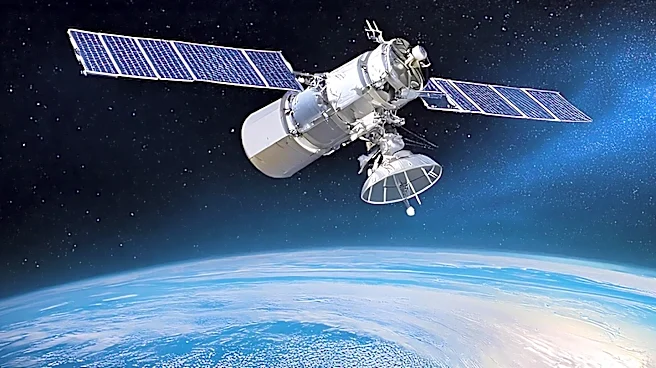
SpaceX and Orbital Compute Inc. have filed separate plans with the FCC to deploy 100,000 satellites each. SpaceX's Gen 3 constellation aims to provide low-latency, multi-gigabit satellite broadband, supporting AI-powered devices globally. Orbital Compute plans to create
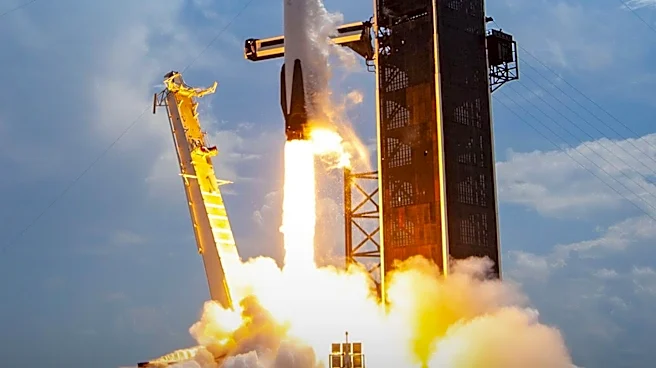
orbital data centers to support AI applications, delivering 10 gigawatts of computing power. SpaceX's initiative will use its Starship rocket, while Orbital plans to demonstrate its technology with a SpaceX Falcon 9 launch in 2027. These developments highlight the growing focus on satellite technology to enhance global connectivity and computing capabilities.
Why It's Important?
The deployment of 100,000 satellites by SpaceX and Orbital Compute represents a significant advancement in satellite technology, with the potential to revolutionize global connectivity and data processing. SpaceX's Gen 3 constellation could enhance broadband services, offering an alternative to terrestrial options and supporting the growing demand for high-speed internet. Orbital's focus on AI applications addresses the increasing need for computing power, potentially transforming industries reliant on data processing. These initiatives reflect the broader trend of leveraging space technology to meet the demands of the digital age, with implications for telecommunications, AI development, and global connectivity.
What's Next?
SpaceX plans to deploy its Gen 3 satellites at altitudes between 323 and 477 kilometers, aiming to provide a communications backbone for the AI age. Orbital Compute intends to launch its first data center satellite, Orbital-1, in 2028, following a demonstration in 2027. Both companies are likely to seek additional funding and partnerships to support their ambitious plans. The success of these projects could lead to further advancements in satellite technology and increased competition in the space industry, driving innovation and potentially lowering costs for consumers and businesses.