


What's Happening?
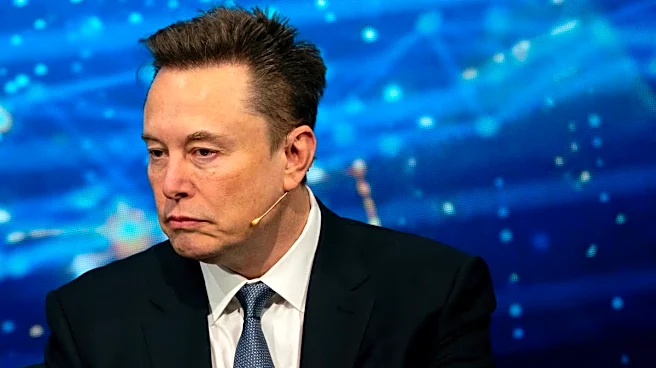
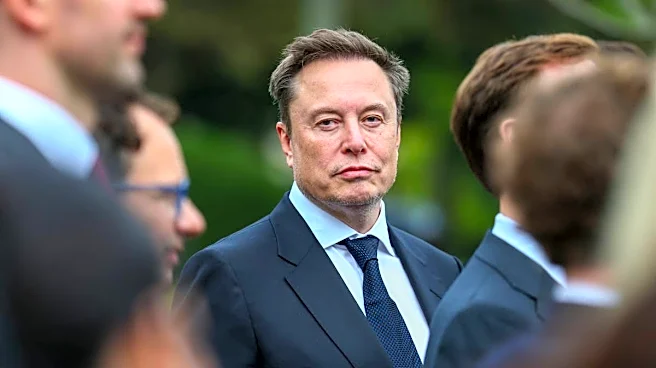
Tech analyst James Altucher, through his Investment Network, argues that significant skepticism has consistently preceded major breakthroughs by Elon Musk's ventures, including Tesla, SpaceX, and Starlink. Altucher points to past predictions of failure
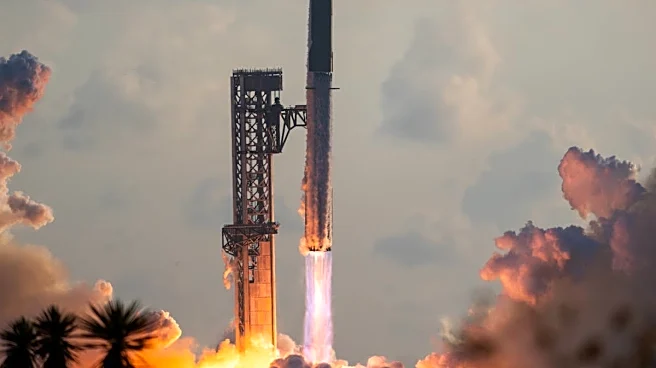
for Tesla, which was once deemed on the brink of bankruptcy, and SpaceX, whose reusable rocket ambitions were dismissed as a vanity project. Similarly, Starlink faced criticism from outlets like CNBC and CNN regarding its service delivery and promised speeds. Despite these doubts, Tesla became a leading automaker, SpaceX commercialized space travel, and Starlink now operates the largest global high-speed satellite network. Altucher suggests that the current skepticism surrounding Musk's artificial intelligence plans follows this established pattern, indicating a potential breakthrough rather than impending failure.
Why It's Important?
This analysis is important for understanding investment patterns and market psychology surrounding disruptive technologies. Altucher's perspective suggests that conventional wisdom and expert opinions can sometimes misjudge the potential of ambitious projects, especially those led by figures like Elon Musk. For investors, this implies that periods of high skepticism might present significant opportunities, as the market may be undervaluing future successes. For the broader technology sector, it highlights the challenges innovators face in gaining acceptance for ideas that push existing boundaries. The repeated success of Musk's companies despite initial doubts could influence how future groundbreaking ventures are perceived and funded, potentially encouraging more risk-taking in innovation.
What's Next?
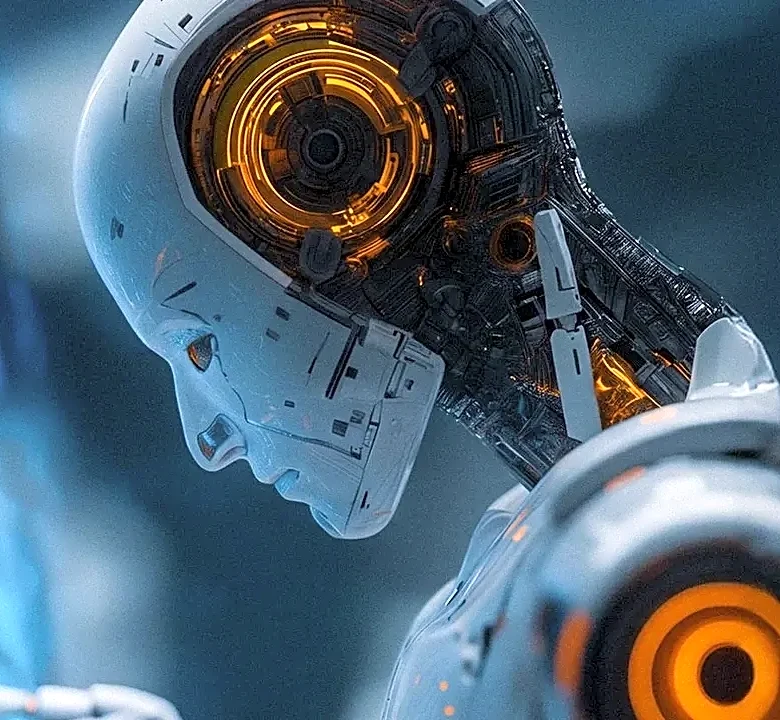
If Altucher's pattern holds true, the current skepticism surrounding Elon Musk's artificial intelligence initiatives could be a precursor to another significant advancement. Investors and industry observers will likely watch for developments in Musk's AI projects, considering whether the initial doubts will, once again, be proven wrong. The ongoing performance and expansion of Starlink, Tesla, and SpaceX will continue to serve as case studies for this phenomenon. The unnamed publicly traded company that Altucher believes is central to Musk's AI plan will also be a point of interest, as its performance could further validate his theory about the predictable nature of skepticism preceding innovation.
Beyond the Headlines
The recurring pattern identified by Altucher delves into the psychological and sociological aspects of innovation. It suggests a societal tendency to resist or doubt radical ideas until they achieve undeniable success. This phenomenon can be attributed to cognitive biases, such as the 'status quo bias' or 'anchoring bias,' where people prefer existing conditions or rely too heavily on initial information. The narrative also touches upon the role of media in shaping public perception, as critical reports often amplify skepticism. Understanding this dynamic can offer insights into how new technologies are adopted and how public opinion evolves, potentially influencing how future innovations are introduced and communicated to avoid or leverage initial resistance.