







What's Happening?
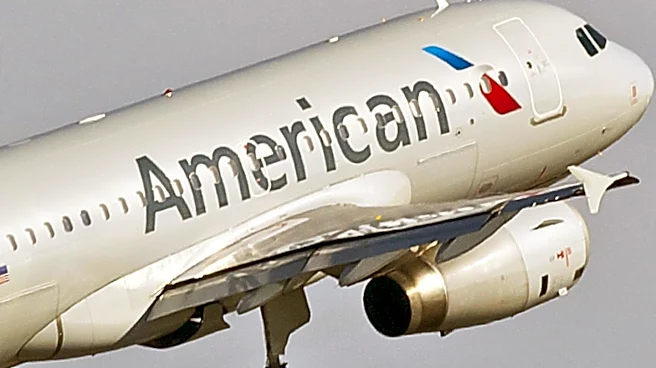
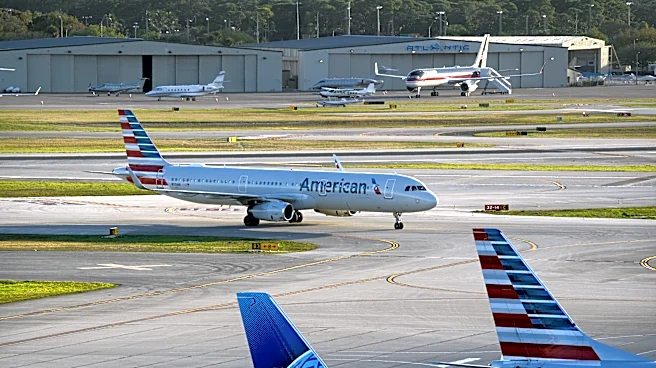
American Airlines has announced the hiring of over 60 additional maintenance technicians as part of a new initiative called 'OneCabin.' This program aims to rectify persistent issues within its aircraft cabins, including broken seats, malfunctioning tray
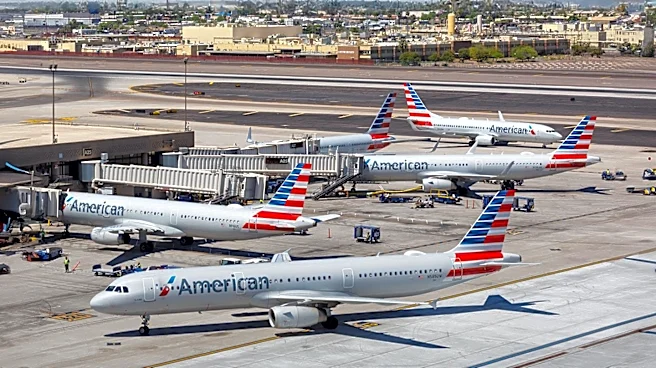
tables, and defective in-flight entertainment systems. The airline's Chief Customer Officer, Heather Garboden, acknowledged the long-standing problem, noting instances where duct tape was used for repairs. The 'OneCabin' program, set to officially launch on September 14, will also focus on improving cabin cleanliness and overall appearance. Dedicated teams will be deployed across key hubs such as Charlotte (CLT), Dallas/Fort Worth (DFW), Los Angeles (LAX), Miami (MIA), Philadelphia (PHL), and Phoenix (PHX) to expedite repairs. This move comes after years of complaints from frequent flyers, pilots, and flight attendants regarding the upkeep of the airline's cabins.
Why It's Important?
This initiative is significant for American Airlines as it directly addresses a critical aspect of the passenger experience and operational efficiency. By investing in a larger maintenance workforce and a dedicated program, the airline aims to enhance customer satisfaction and potentially reduce the number of 'acceptable deferred defects' (ADDs) that impact passenger comfort, even if they don't compromise airworthiness. The move also signals a shift in corporate culture, prioritizing cabin upkeep after years of deprioritization. Improved cabin conditions can lead to a better brand image, increased customer loyalty, and potentially higher revenue. Furthermore, addressing these issues can improve the morale of flight attendants, who have long advocated for better cabin maintenance, as highlighted by the Association of Professional Flight Attendants (APFA).
What's Next?
The 'OneCabin' program is scheduled to officially launch on September 14. American Airlines will need to ensure that the newly hired technicians are effectively integrated and that the necessary spare parts are readily available to support the increased maintenance efforts. It will also be crucial to monitor the program's effectiveness in reducing cabin defects and improving overall cabin quality. The airline's leadership will likely be observing customer feedback and internal metrics to gauge the success of this initiative. The long-term impact will depend on sustained commitment to these improvements and the ability to retrain the mindset of maintenance technicians to prioritize immediate defect resolution rather than deferring issues.
Beyond the Headlines
Beyond the immediate improvements in cabin quality, this move by American Airlines could have broader implications for the airline industry. It highlights the growing importance of the passenger experience in a competitive market, where even seemingly minor issues like a broken tray table can significantly impact customer perception. The airline's acknowledgment of past shortcomings and its proactive steps to address them could set a precedent for other carriers facing similar challenges. Furthermore, the emphasis on retraining maintenance staff and shifting workplace culture suggests a deeper organizational change, moving towards a more customer-centric approach. This could lead to a more holistic view of airline operations, where passenger comfort and satisfaction are integrated into maintenance protocols from the outset.