

What's Happening?
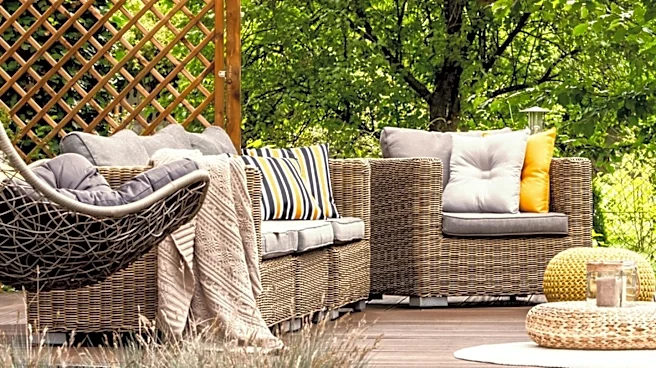
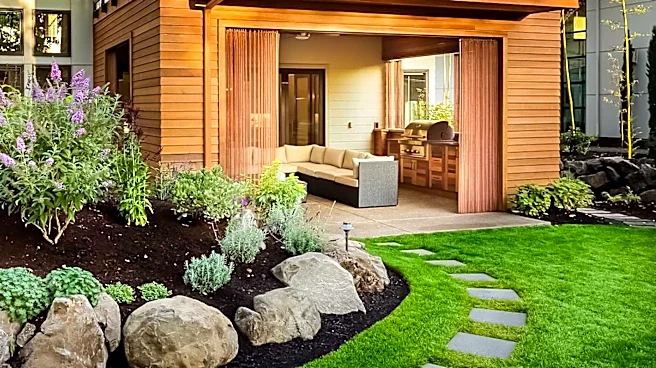
Creating effective outdoor living spaces involves strategic design elements to enhance privacy and a sense of enclosure. For smaller areas like balconies, vertical gardens can provide shade, shelter, and a feeling of escape. In larger outdoor spaces,
designers are creating distinct 'rooms' using features such as living canopies, pergolas, and level changes to increase intimacy. Sean Walter, co-founder of The Plant Specialist, recommends fast-growing climbers like wisteria for pergolas to create natural shade and visual barriers. Interior designer Ebba Thott highlights that privacy isn't just about blocking views but about creating an intentional sense of enclosure, making an outdoor space feel more like a room. This approach often involves layered planting, screens, and overhead structures to soften sound and screen views from neighboring buildings.
Why It's Important?
The emphasis on creating private and enclosed outdoor living spaces reflects a growing demand among U.S. homeowners for functional and comfortable extensions of their indoor environments. As urban density increases and lot sizes potentially shrink, the need for secluded outdoor areas becomes more pronounced. This trend impacts the landscaping and home improvement industries, driving innovation in materials and design techniques for pergolas, living walls, and privacy screens. Homeowners are increasingly investing in their outdoor spaces, viewing them as essential for relaxation, entertainment, and personal well-being. This shift can lead to increased sales for outdoor furniture, planting materials, and professional design services, as well as influencing architectural trends to integrate outdoor 'rooms' more seamlessly into overall home designs. The focus on natural elements like living canopies also aligns with broader environmental consciousness and a desire for biophilic design.
What's Next?
The trend towards creating private and intentional outdoor 'rooms' is expected to continue, with further advancements in design and materials. We may see more integrated smart home technology in outdoor spaces, such as automated pergolas or lighting systems that enhance privacy and comfort. Landscape architects and designers will likely continue to explore innovative ways to use planting, water features, and structural elements to create secluded and serene environments. There could also be an increased demand for customizable and modular outdoor privacy solutions that cater to various space constraints and aesthetic preferences. Furthermore, as climate concerns grow, the use of living canopies and strategic planting for natural cooling and shade will become even more critical, influencing product development in the outdoor living sector.
Beyond the Headlines
Beyond the immediate design implications, the desire for private outdoor living spaces speaks to a deeper human need for sanctuary and personal space in an increasingly connected and often crowded world. These 'outdoor rooms' offer a psychological retreat, allowing individuals and families to disconnect and find solace in nature without sacrificing the comforts of home. This trend also highlights a cultural shift towards valuing experiences and well-being, with homeowners prioritizing spaces that support relaxation, mindfulness, and social connection. The integration of natural elements like living canopies and layered planting can also contribute to urban biodiversity and microclimate regulation, offering ecological benefits beyond individual privacy. Ultimately, the evolution of outdoor living spaces reflects a holistic approach to home design that considers both human comfort and environmental harmony.