





What's Happening?
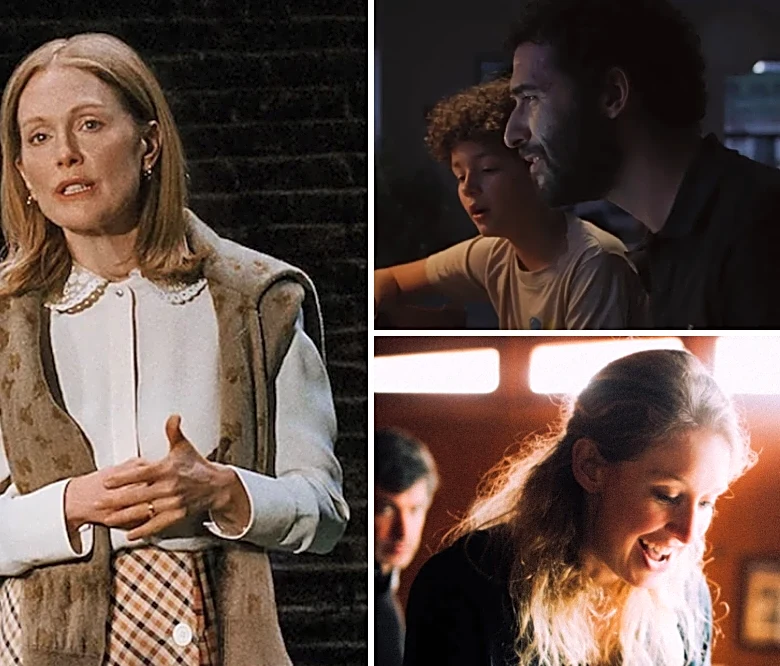
Lasse Hallström, a renowned Swedish film director, has directed 'Hilma,' a film now available on Amazon Prime Video. The movie delves into the enigmatic life of Hilma af Klint, an artist who is recognized as one of the Western world's first abstract artists
and a feminist icon. The film aims to portray her revolutionary art and personal journey. Hallström's extensive filmography also includes other notable works such as 'The Cider House Rules,' for which actor Michael Caine received two Academy Awards, 'Hatchi,' a drama about a man and his dog, and 'Casanova' (2005). A documentary titled 'My Life As Lasse Hallström S01' is also available on Amazon Prime Video, offering insights into his career as a filmmaker. The release of 'Hilma' adds to Hallström's diverse body of work, showcasing his continued interest in compelling narratives and historical figures.
Why It's Important?
The release of 'Hilma' is significant for several reasons, particularly in the context of art history and cinematic representation. By focusing on Hilma af Klint, the film brings wider attention to an artist whose contributions to abstract art were largely overlooked during her lifetime and for decades after. This cinematic portrayal helps to rectify historical oversights, positioning af Klint as a pivotal figure in the development of modern art and a feminist icon. For the U.S. audience, it offers an opportunity to engage with a European art historical narrative that challenges conventional understandings of artistic movements and gender roles in art. Furthermore, Hallström's involvement, given his established reputation for critically acclaimed films, lends credibility and visibility to af Klint's story, potentially inspiring new scholarship and appreciation for her work. The film's availability on a major streaming platform like Amazon Prime Video ensures broad accessibility, allowing a diverse audience to learn about af Klint's revolutionary artistic vision and her impact on the art world.
What's Next?
Following the release of 'Hilma' on Amazon Prime Video, it is anticipated that there will be increased public discourse and academic interest surrounding Hilma af Klint's work and legacy. The film's exposure on a global streaming platform could lead to a resurgence in exhibitions of her art in U.S. museums and galleries, further solidifying her place in art history. Art critics and historians may offer new interpretations of her contributions, potentially influencing future art curricula and scholarly research. For Lasse Hallström, the film's reception could shape his future projects, potentially encouraging him to explore more biographical narratives of underrepresented historical figures. The success of 'Hilma' might also prompt other filmmakers to delve into similar stories, contributing to a broader trend of re-evaluating historical narratives through a contemporary lens. Additionally, the documentary 'My Life As Lasse Hallström S01' on Amazon Prime Video will continue to provide context to his directorial choices and career trajectory, offering viewers a deeper understanding of his artistic motivations.
Beyond the Headlines
Beyond its immediate impact as a biographical film, 'Hilma' touches upon deeper cultural and ethical implications regarding the recognition of female artists and the re-evaluation of art historical canons. The film implicitly questions why certain artists, particularly women, have been marginalized or overlooked in historical narratives, despite their groundbreaking contributions. This raises important discussions about gender bias in the arts and the mechanisms through which artistic legacies are established and maintained. Furthermore, Hilma af Klint's spiritual and esoteric influences, which are central to her abstract work, challenge the often secular interpretations of modern art, inviting viewers to consider the interplay between spirituality, creativity, and artistic expression. The film's narrative encourages a critical examination of how societal norms and historical contexts shape our understanding and appreciation of art, prompting a broader reflection on inclusivity and diversity within the cultural landscape.