





What's Happening?
The fashion world is currently experiencing a significant revival of early 2000s aesthetics, widely recognized as Y2K fashion. A prominent and often debated aspect of this comeback is the deliberate display of undergarments, particularly thongs, paired
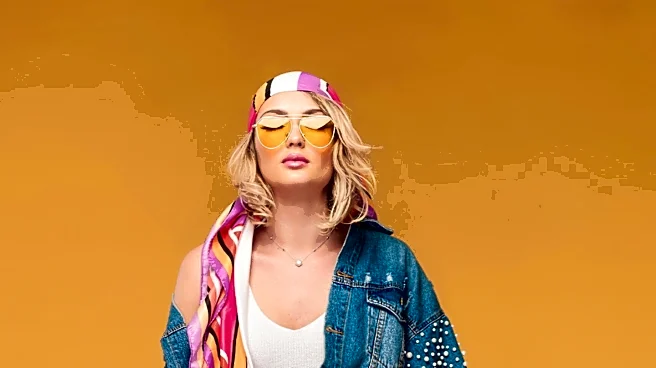
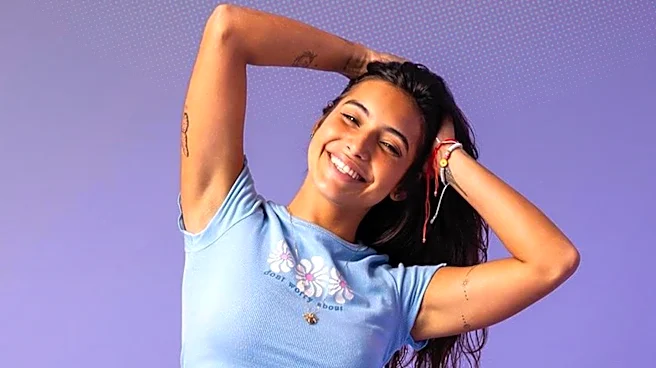
with low-rise clothing. This trend, sometimes referred to as the 'whale tail,' has transitioned from a niche or tabloid phenomenon to a recognized statement in mainstream streetwear and high-fashion runways. Online platforms, including dedicated forums and social media sites like TikTok and Instagram, are serving as central hubs for enthusiasts to discuss styling techniques, historical context, and future trend predictions. This resurgence is particularly embraced by Gen Z, who view these styles as a form of vintage appreciation, challenging the minimalist trends that dominated the 2010s in favor of more daring and expressive looks. The trend is also linked to the 'McBling' aesthetic.
Why It's Important?
This Y2K fashion revival signifies a broader cultural shift in how individuals, particularly younger generations, engage with and express themselves through clothing. The embrace of bold and previously controversial styles like visible undergarments reflects a desire for self-expression and a challenge to more conservative fashion norms. For the U.S. fashion industry, this trend impacts design, manufacturing, and retail strategies, as brands adapt to meet consumer demand for Y2K-inspired pieces, including low-rise denim and specific undergarment styles. The digital landscape plays a crucial role, with social media platforms driving the trend's popularity and influencing purchasing decisions. This movement also highlights the cyclical nature of fashion and the power of online communities in shaping contemporary style, creating new market opportunities for vintage and retro-inspired apparel.
What's Next?
The Y2K revival is expected to continue influencing fashion trends, with designers likely to incorporate more elements from the early 2000s into upcoming collections. Online discussions and communities will remain vital for the trend's evolution, with users sharing innovative styling tips and brand recommendations. We may see further integration of the 'whale tail' look into garments themselves, such as 'G-string trousers' that feature built-in elements mimicking the exposed thong strap. The trend's longevity will depend on its continued adoption by influencers and its adaptability to modern aesthetics, moving beyond mere replication to more polished and intentional interpretations. The focus will likely shift towards balancing bold elements with sophisticated proportions and coordinating fabrics and textures to elevate the look.
Beyond the Headlines
The resurgence of the 'whale tail' and Y2K fashion delves into deeper psychological and cultural implications. It represents a reclaiming of body autonomy and confidence, as wearers intentionally choose to display elements that were once considered taboo or accidental. This trend stands in stark contrast to recent 'quiet luxury' and 'clean girl' aesthetics, signaling a move towards maximalism and overt expression. Ethically, the discussions within online fashion communities emphasize the importance of digital privacy and etiquette, especially given the 'adult-adjacent' nature of the trend. These communities often implement strict moderation to ensure respectful discourse and prevent harassment, highlighting the need for safe online spaces for niche fashion interests. The trend also underscores the enduring power of nostalgia and how past styles can be reinterpreted to reflect contemporary values and attitudes.