






What's Happening?
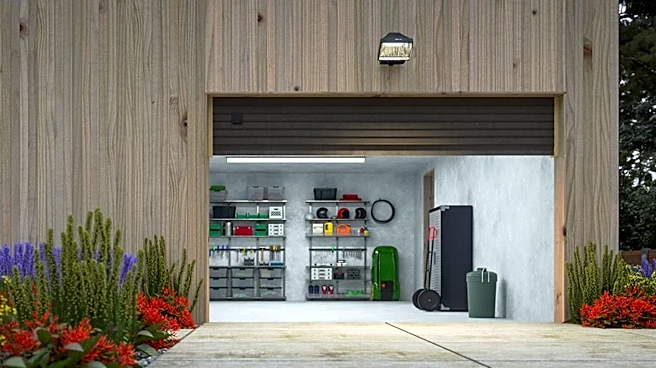
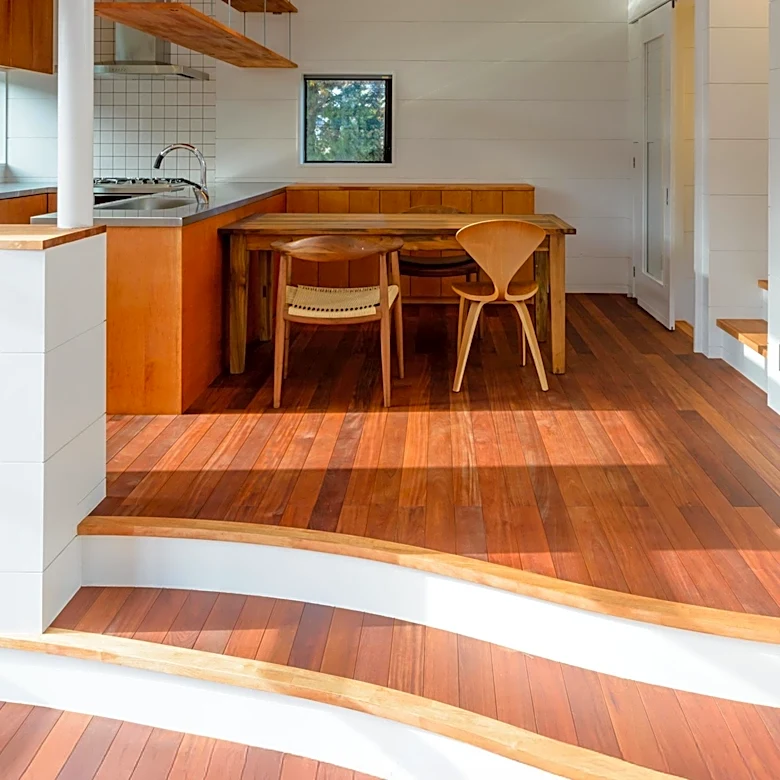
Converting a typical two-car garage (approximately 400–440 sq ft) into a permitted Accessory Dwelling Unit (ADU) with a kitchen and bathroom in California generally costs between $65,000 and $100,000 in inland and Central Valley areas. In coastal Southern
California and the Bay Area, these costs increase to about $100,000 to $140,000. This translates to roughly $160 to $330 per square foot. Simpler conversions, such as turning a garage into a bedroom, office, or gym without a kitchen, are significantly less expensive. The overall cost is influenced by factors like the need for structural repairs, the length of sewer runs, and the quality of finishes. State laws, effective January 1, 2026, have limited impact fees on ADUs of 750 sq ft or less, and utility connection fees are generally not required for conversions within existing structures.
Why It's Important?
The trend of converting garages into ADUs in California is a crucial development for addressing housing shortages and providing flexible living solutions. For many property owners, this is the most economical way to add a legal living unit, as the existing foundation, walls, and roof reduce construction costs compared to building a detached ADU from scratch. These conversions can generate rental income or house family members, offering financial benefits and supporting multi-generational living arrangements. The trade-off involves losing garage parking and storage, which can be a consideration in densely populated areas. The state's regulatory framework, which exempts smaller ADUs from certain impact fees and does not require replacement parking, significantly incentivizes these conversions, making them a more viable option for homeowners.
What's Next?
Homeowners considering garage conversions in California should anticipate a timeline of approximately 6 to 12 months from initial design to final inspection. This includes 1–2 months for design and engineering, up to 60 days for permit review, and 3–5 months for construction. Key steps involve obtaining accurate bids from licensed contractors, ensuring the project complies with California’s energy code (Title 24), and addressing potential electrical service upgrades. With new laws like SB 1117 and AB 956 taking effect on January 1, 2027, further changes to fee calculations and the allowance for multiple detached ADUs on a single-family lot will impact future projects. Property owners should consult their city's planning department for specific ADU guidelines and fee schedules, as local rules on design, height, and coastal zones still apply.
Beyond the Headlines
The widespread adoption of garage conversions into ADUs in California reflects a broader societal shift towards maximizing existing property resources and adapting to evolving housing needs. This trend highlights the innovative ways homeowners are navigating high housing costs and limited land availability. Beyond the immediate financial and practical benefits, these conversions contribute to increased housing density without extensive new construction, potentially easing pressure on urban sprawl and infrastructure. The regulatory support from the state underscores a policy recognition of ADUs as a vital component of sustainable urban development. However, it also raises questions about the long-term impact on neighborhood character, parking availability, and the potential for gentrification in certain areas, as these units become more prevalent.