







What's Happening?
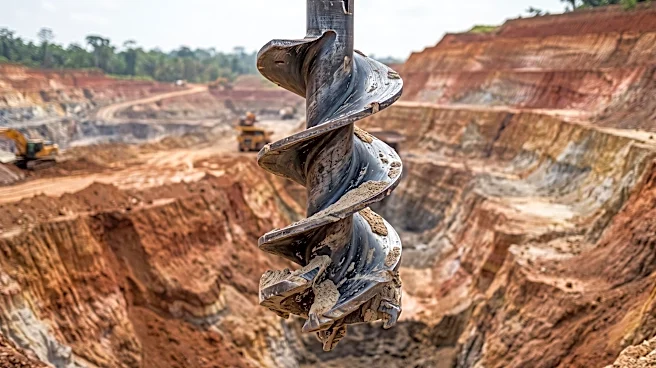
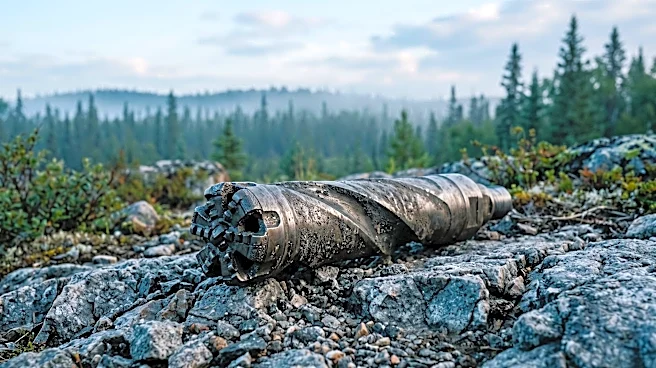
Canamera Energy Metals Corp. has commenced its maiden diamond drilling program at the Schryburt Lake Rare Earth Element-Niobium Project in northwestern Ontario. The drilling began on October 22, 2026, marking the first diamond drilling ever conducted
on the project and the first drilling of any kind since 1977. The program consists of approximately 1,500 meters across three inclined NQ holes, each about 500 meters long. These holes are designed to test the near-surface projections of pipe-like magnetic anomalies identified beneath the Blue Jay, Starling, and Blackbird targets. The project is located on the traditional homelands of Nibinamik First Nation, and the 12-person field crew includes members of this community, working under an exploration agreement announced on October 8, 2026. Program expenditures are contributing to the C$1.5 million expenditure condition of the first option of a Joint Venture Option Agreement, through which Canamera aims to earn an initial 51% interest in the project.
Why It's Important?
This drilling program is a significant milestone for Canamera Energy Metals and for the potential development of critical mineral assets in North America. The Schryburt Lake Project is targeting rare earth elements (REE) and niobium, which are crucial for various high-tech industries, renewable energy technologies, and national security. The initiation of drilling, especially after nearly 50 years, signals a renewed focus on exploring for these vital resources within Canada. Success in identifying significant REE and niobium deposits could contribute to strengthening Western supply chains, reducing reliance on foreign sources, and enhancing North American self-sufficiency in critical minerals. The involvement of Nibinamik First Nation members in the field crew highlights the growing importance of Indigenous participation and benefit-sharing in resource development projects, fostering more sustainable and equitable practices. The program's advancement also helps Canamera fulfill its earn-in conditions, potentially securing a substantial interest in a promising project.
What's Next?
The diamond drilling program at Schryburt Lake will continue with the three planned NQ holes, totaling approximately 1,500 meters, targeting the Blue Jay, Starling, and Blackbird anomalies. The program is authorized under a three-year exploration permit issued by the Ontario Ministry of Energy and Mines, valid until September 9, 2029, which allows for mechanized diamond drilling at up to 19 drill sites. Once assays have been received and reviewed by the Company's Qualified Person, results from the drilling program will be released. These results will be crucial in determining the presence, grade, and extent of rare earth element and niobium mineralization, guiding future exploration phases and potential resource delineation. The Company will also continue to work under its exploration agreement with Nibinamik First Nation, ensuring ongoing community involvement and benefits.
Beyond the Headlines
The Schryburt Lake project represents a broader strategic effort to secure critical mineral resources in North America. The use of AI-driven modeling by ExploreTech to position drill holes signifies the increasing integration of advanced technologies in mineral exploration, aiming for more efficient and precise targeting. This approach can reduce exploration costs and improve success rates, potentially accelerating the discovery of new deposits. Furthermore, the project's focus on rare earth elements and niobium aligns with global trends towards decarbonization and technological innovation, as these minerals are essential components in electric vehicles, wind turbines, and advanced electronics. The successful development of such projects could have long-term geopolitical implications by diversifying the global supply of critical minerals and reducing the dominance of a few key producing nations, thereby enhancing economic and national security for Western countries.