




What's Happening?
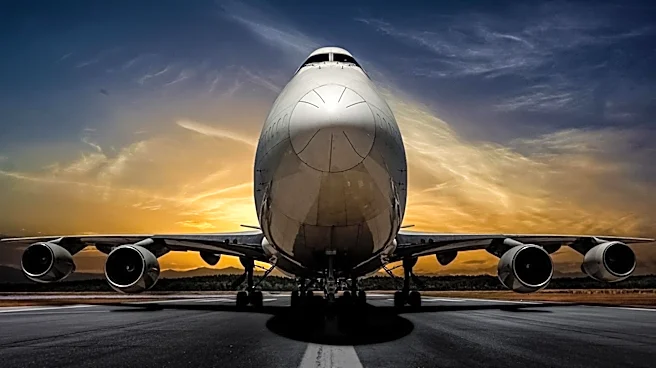
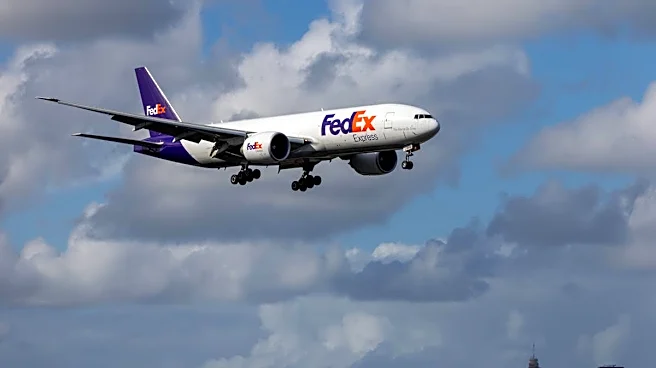
DHL Express has launched a new direct cargo flight connecting Shanghai and Bangkok. This daily service operates on the Shanghai-Bangkok-Bahrain-Brussels-Shanghai route, utilizing a Boeing 767 freighter capable of carrying a maximum payload of 50 tons.
The expansion aims to bolster capacity within a crucial trade corridor that links China with Southeast Asia, and subsequently, with markets in Europe and the Middle East. According to Peter Bardens, senior vice president for Network Operations and Aviation – Asia Pacific at DHL Express, this new connection is a direct response to the increasing movement of goods between China and Southeast Asia, while also addressing the sustained demand from European and Middle Eastern markets for products manufactured in the region. Bangkok is set to function as a gateway to the broader Indochina market, with Bahrain and Brussels providing essential connections through DHL’s regional hubs. This initiative follows DHL’s recent investment in its Shenzhen gateway at Shenzhen Bao’an International Airport, which has tripled its daily handling capacity to 900 tons to accommodate rising cross-border trade and e-commerce shipments.
Why It's Important?
This new DHL cargo service is important for U.S. businesses and consumers due to its potential to streamline global supply chains and impact the availability and cost of goods. By enhancing the efficiency of raw material, component, and finished product movement across Asia and to international markets, the service can reduce transit times and logistics costs for companies that source from or sell to these regions. U.S. businesses relying on manufacturing in Southeast Asia and China will benefit from improved predictability and speed in their supply chains, potentially leading to faster product delivery and reduced inventory holding costs. Conversely, U.S. consumers may see a wider array of products from these regions become more readily available and potentially at more competitive prices. The increased capacity and efficiency in this trade corridor could also influence global trade dynamics, making Asian markets even more attractive for U.S. companies seeking manufacturing or sourcing opportunities, thereby fostering greater economic interdependence and competition in various sectors.
What's Next?
The immediate next steps involve the full integration and optimization of this new daily cargo service into DHL's existing network. DHL will likely monitor the route's performance, including cargo volume, transit times, and customer satisfaction, to identify any areas for further enhancement or expansion. The company may also explore additional direct routes or increased frequencies in response to evolving trade patterns and market demand, particularly as businesses in Thailand, Vietnam, Cambodia, and Laos continue to increase their sourcing from China. Furthermore, the success of this route could encourage other logistics providers to invest in similar capacity enhancements in the China-Southeast Asia corridor, leading to increased competition and potentially further improvements in service offerings. Stakeholders, including manufacturers, retailers, and e-commerce businesses in the U.S. and globally, will be closely observing the impact of this enhanced connectivity on their supply chain strategies and operational efficiencies.
Beyond the Headlines
Beyond the immediate logistical benefits, this expansion by DHL highlights a broader strategic shift in global trade, emphasizing the growing economic integration and importance of the China-Southeast Asia corridor. The increased capacity for moving goods signifies a deepening reliance on Asian manufacturing and supply chains for global markets, including the U.S. This trend could lead to a re-evaluation of sourcing strategies by U.S. companies, potentially encouraging more diversified manufacturing bases within Southeast Asia to mitigate risks associated with over-reliance on a single country. Furthermore, the focus on e-commerce shipments underscores the continued digital transformation of global trade, where speed and efficiency in last-mile delivery are paramount. This could drive further innovation in logistics technology and infrastructure, impacting how goods are tracked, transported, and delivered worldwide. The move also subtly reflects geopolitical considerations, as robust trade routes can serve as economic anchors, fostering stability and interdependence in a complex global landscape.